pattern

Four Corners 4 - Unit 12 Lesson A

Here you will find the vocabulary from Unit 12 Lesson A in the Four Corners 4 coursebook, such as "conserve", "environmental", "pollution", etc.

Review

Flashcards

Forms

Spelling

Quiz

Start learning
Four Corners 4
to find
to find
[Verb]

to randomly discover someone or something, particularly in a way that is surprising or unexpected

Ex: A hidden room was found in an old mansion during renovations. 
Close
Sign in
solution
solution
[noun]

a way in which a problem can be solved or dealt with

Ex: The team brainstormed to find a creative solution to the design challenge. 
Close
Sign in
environmental
environmental
[Adjective]

relating to the natural world and effects of human actions on it
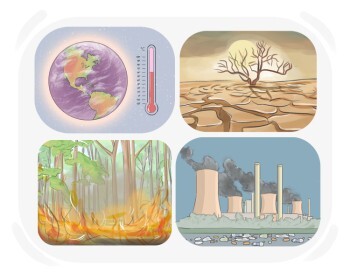
Ex: Environmental pollution, such as air and water pollution, poses threats to both human health and the ecosystem. 
Close
Sign in
concern
concern
[noun]

a subject of significance or interest to someone or something
Ex: Environmental issues are a major concern for many people. 
Close
Sign in
to prevent

to not let someone do something

Ex: The security guard prevented the unauthorized person from entering the building. 
Close
Sign in
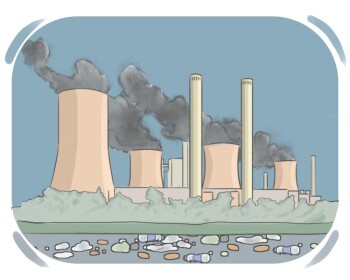
pollution
pollution
[noun]

a change in water, air, etc. that makes it harmful or dangerous
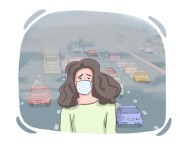
Ex: The pollution in the lake has made the water toxic to fish and plants. 
Close
Sign in
air pollution

toxic and harmful substances in the air that can cause illnesses

Ex: The heavy air pollution made it difficult to breathe and caused itchy eyes for many residents. 
Close
Sign in
to combine

to join together in pursuit of a shared goal or advantage
Ex: Different community groups combined to organize a successful fundraiser for local charities. 
Close
Sign in
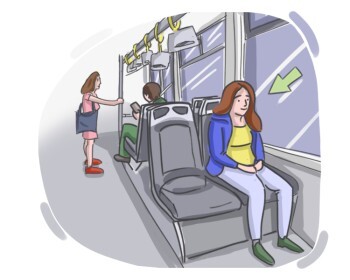
to commute

to regularly travel to one's place of work and home by different means

Ex: The introduction of a company shuttle has made it easier for employees to commute. 
Close
Sign in
to maintain

to keep a vehicle, building, road, etc. in good condition by doing regular repairs, renovations, or examinations
Ex: The company hires professionals to maintain the office building each year. 
Close
Sign in
to avoid
to avoid
[Verb]

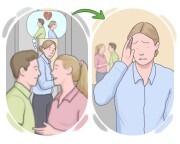
to intentionally stay away from or refuse contact with someone
Ex: To prevent a confrontation, he tried to avoid his ex-girlfriend at the party. 
Close
Sign in
to store
to store
[Verb]

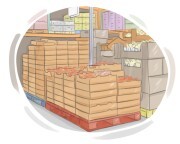
to keep something in a particular place for later use, typically in a systematic or organized manner
Ex: She stored her winter clothes in a box in the attic during the summer months. 
Close
Sign in
to limit
to limit
[Verb]

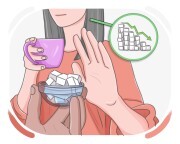
to not let something increase in amount or number
Ex: The company decided to limit the number of products each customer could purchase. 
Close
Sign in
to discard

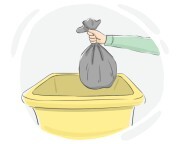
to get rid of something that is no longer needed

Ex: She recently discarded old clothes from her wardrobe to make space for new ones. 
Close
Sign in
to conserve

to keep something from change or harm
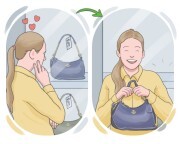
Ex: Conservationists work to conserve natural habitats and protect endangered species. 
Close
Sign in
to purchase

to get goods or services in exchange for money or other forms of payment
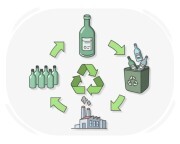
Ex: Consumers often purchase goods and services to meet their needs and desires. 
Close
Sign in
to recycle

to make a waste product usable again

Ex: Recycling paper involves collecting and processing used paper products to make new paper. 
Close
Sign in
to identify

to be able to say who or what someone or something is

Ex: The detective easily identifies the suspect from the security footage. 
Close
Sign in
to dump
to dump
[Verb]

to get rid of waste material, particularly in an unorganized manner
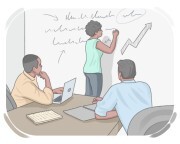
Ex: Instead of recycling, some businesses opt to dump electronic waste in landfills. 
Close
Sign in
task
task
[noun]

a piece of work for someone to do, especially as an assignment
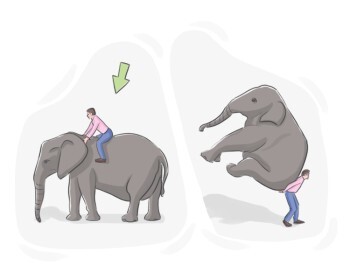
Ex: The teacher assigned a reading task to the students for homework. 
Close
Sign in
possible
possible
[Adjective]

able to exist, happen, or be done

Ex: Even when it seems unlikely, making new friends in a new city is possible. 
Close
Sign in
efficient
efficient
[Adjective]

(of a system or machine) achieving maximum productivity without wasting much time, effort, or money
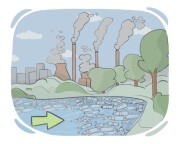
Ex: The efficient assembly line increased productivity while reducing production costs. 
Close
Sign in
water pollution

the poisoning of bodies of water caused by harmful materials

Ex: Water pollution has severely impacted marine life in the area. 
Close
Sign in
spray can
spray can
[noun]

a pressurized container that dispenses liquid or gas as a fine mist or spray when activated

Ex: He used a spray can to paint the graffiti on the wall. 
Close
Sign in
chemical
chemical
[Adjective]

concerning or used in the scientific field of chemistry
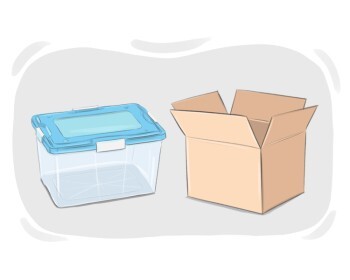
Ex: Chemical reactions involve the rearrangement of atoms to form new substances. 
Close
Sign in
container
container
[noun]

any object that can be used to store something in, such as a bottle, box, etc.
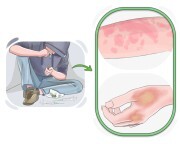
Ex: She placed the leftover food in a container and put it in the fridge. 
Close
Sign in
harmful
harmful
[Adjective]

causing damage or negative effects to someone or something
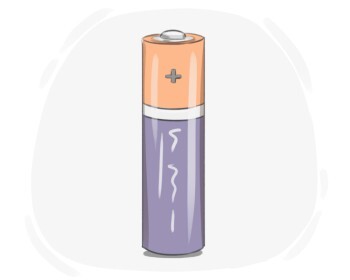
Ex: Smoking is harmful to your health. 
Close
Sign in
battery
battery
[noun]

an object that turns chemical energy to electricity to give power to a device or machine
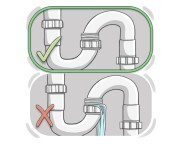
Ex: The flashlight wouldn't turn on because the battery was dead. 
Close
Sign in
properly
properly
[Adverb]

in a correct or satisfactory manner

Ex: The machine will not run properly if it's not cleaned regularly. 
Close
Sign in
condition
condition
[noun]

the state of something at a particular time
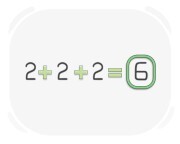
Ex: He checked the condition of the tires before the long road trip. 
Close
Sign in
amount
amount
[noun]

the total number or quantity of something

Ex: The amount of rainfall last month was unusually high, causing flooding in some areas. 
Close
Sign in
to control

to have power over a person, company, country, etc. and to decide how things should be done

Ex: The CEO sought to control the company's strategic direction. 
Close
Sign in
to throw away

to get rid of what is not needed or wanted anymore
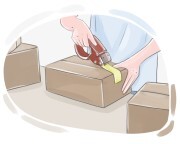
Ex: I will throw away the old magazines cluttering the living room. 
Close
Sign in
packaging
packaging
[noun]

the process or business of packing goods for storage, transport, or sale
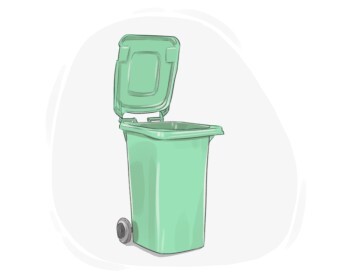
Ex: The company specializes in sustainable packaging for food products. 
Close
Sign in
trash can
trash can
[noun]

a plastic or metal container with a lid, used for putting garbage in and usually kept outside the house
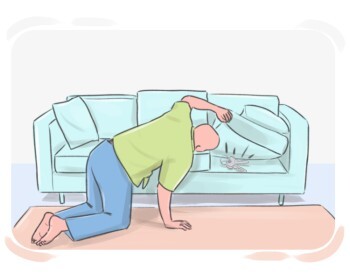
Ex: He emptied the full trash can into the larger dumpster outside. 
Close
Sign in
to locate
to locate
[Verb]

to discover the exact position or place of something or someone

Ex: Using GPS coordinates, they were able to locate the missing hiker in the dense forest. 
Close
Sign in
to promote

to move to a higher position or rank
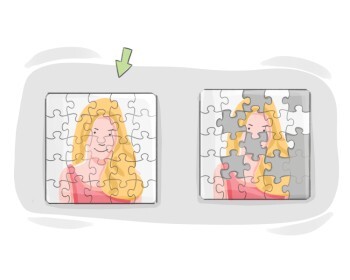
Ex: After years of hard work, she was promoted to manager of the department. 
Close
Sign in
whole
whole
[Adjective]

including every part, member, etc.

Ex: He ate the whole pizza by himself. 
Close
Sign in
commuter
commuter
[noun]

a person who regularly travels to city for work
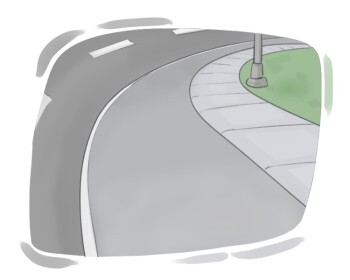
Ex: The train is always packed with commuters during rush hour. 
Close
Sign in
sidewalk
sidewalk
[noun]

a pathway typically made of concrete or asphalt at the side of a street for people to walk on
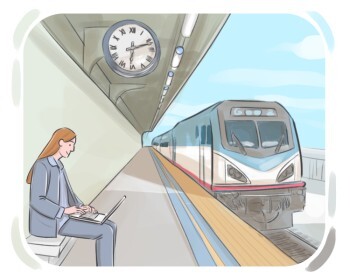
Ex: She walked along the sidewalk on her way to the bus stop. 
Close
Sign in
train station

a place where trains regularly stop for passengers to get on and off
Ex: I arrived at the train station early to ensure I didn't miss my train. 
Close
Sign in
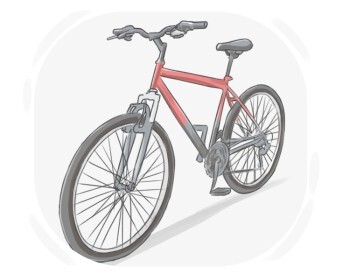
bike
bike
[noun]

a vehicle that has two wheels and moves when we push its pedals with our feet
Ex: He rides his bike to work every morning. 
Close
Sign in
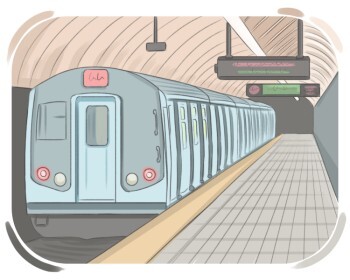
underground

a city's railway system that is below the ground, usually in big cities
Ex: The underground system in London is one of the oldest and most extensive in the world. 
Close
Sign in
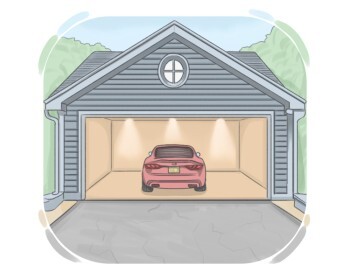
garage
garage
[noun]

a building, usually next or attached to a house, in which cars or other vehicles are kept

Ex: They parked their car in the garage to protect it from the harsh winter weather. 
Close
Sign in
LanGeek
Download LanGeek app