
Książka Insight - Średnio zaawansowany niższy - Jednostka 5 - 5A
Tutaj znajdziesz słownictwo z Jednostki 5 - 5A w podręczniku Insight Pre-Intermediate, takie jak "małe dziecko", "ekscytować", "wrażenie", itd.
Przegląd
Fiszki
formy
Pisownia
Test

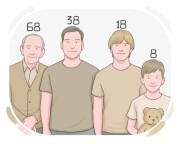
people born and living at approximately the same period of time

pokolenie, pokolenie

the decade of someone's life when they are aged 20 to 29 years old
dwudziestki, lata dwudzieste
Ukończyła college w dwudziestce i od razu zaczęła pracować.
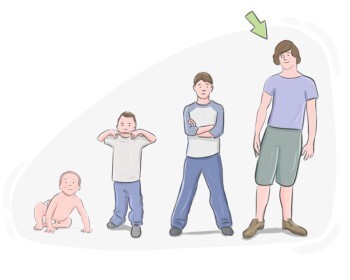
a person between the ages of 13 and 19
nastolatek
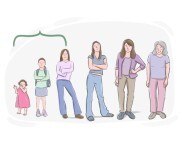
a young person who has not reached puberty or adulthood yet
dziecko, dzieciak
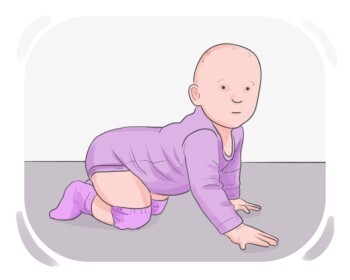
a very young child
niemowlę, dziecko
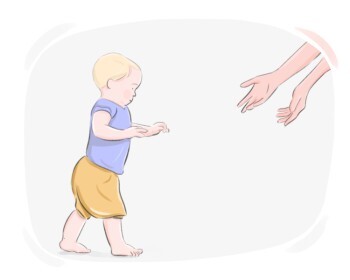
a young child who is starting to learn how to walk
maluch, dziecko zaczynające chodzić
Pierwsze słowa malucha zostały gorliwie świętowane przez całą rodzinę.
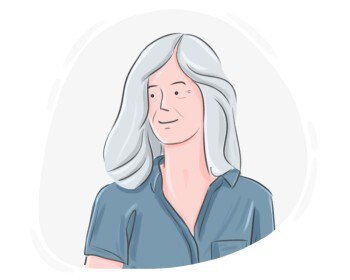
(of a person) approximately between 45 to 65 years old, typically indicating a stage of life between young adulthood and old age
w średnim wieku
Podziwiała mądrość swojego w średnim wieku mentora.
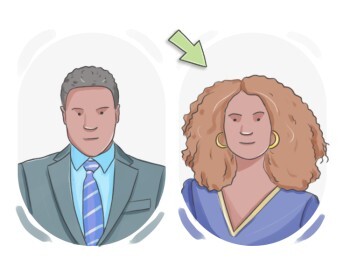
a person who is a female adult
kobieta, dama
advanced in age
starszy, w podeszłym wieku
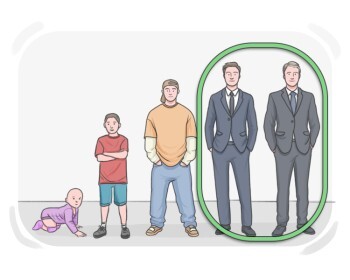
a fully grown man or woman
dorosły, osoba dorosła
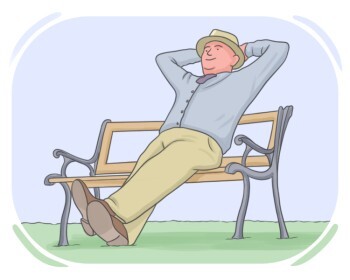
an old person, especially someone who is retired
senior, emeryt
Wiele osób starszych zbiera się w parku każdego ranka na spacer i towarzyskie spotkania.
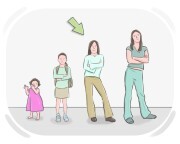
a young person who is in the process of becoming an adult
nastolatek, młody człowiek
Szkoła oferowała usługi doradcze dla nastolatków.
the period of time in someone's life between the ages of 40 and 49
czterdziestki, wiek czterdziestu lat
Ludzie w wieku czterdziestu lat często skupiają się na utrzymaniu dobrego zdrowia i kondycji.
the period of one's life between the age of 13 and 19
nastolatki, lata nastoletnie
Młodość to czas, kiedy presja rówieśników może być szczególnie silna.

an educational institution at the highest level, where we can study for a degree or do research
uniwersytet
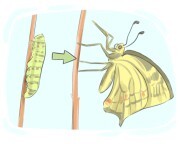
to start or grow to be
stać się, zostać
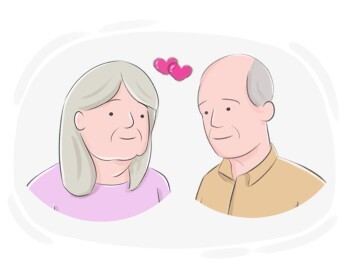
someone who is our mom or dad's parent
dziadek, babcia
Ona lubi słuchać opowieści swoich dziadków z czasów, gdy byli młodzi.
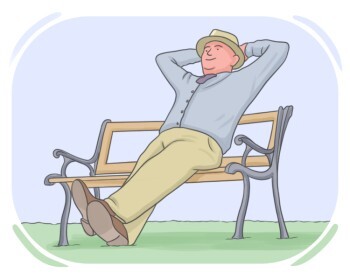
to leave your job and stop working, usually on reaching a certain age
przejść na emeryturę, wycofać się
![to [get] married](https://cdn.langeek.co/photo/39013/thumb/marry/350?type=jpeg "to [get] married")
to legally become someone's wife or husband
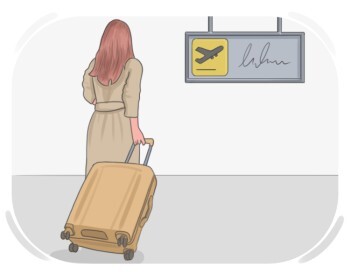
to go away from somewhere
wyjść, opuścić
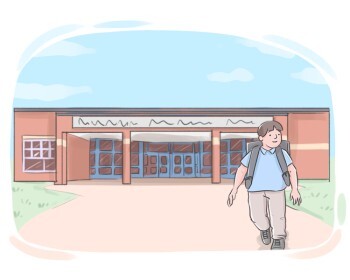
a place where children learn things from teachers
szkoła, placówka edukacyjna
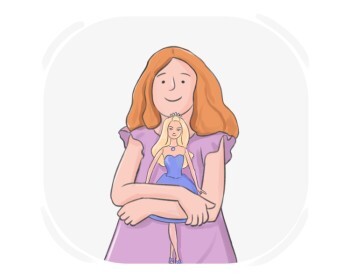
to hold or own something
mieć, posiadać
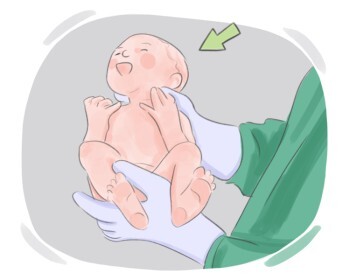
brought to this world through birth
urodzony, urodzona
John urodził się w rodzinie muzyków, dziedzicząc ich talent i pasję do gry na instrumentach.
to begin something new and continue doing it, feeling it, etc.
zaczynać, rozpoczynać
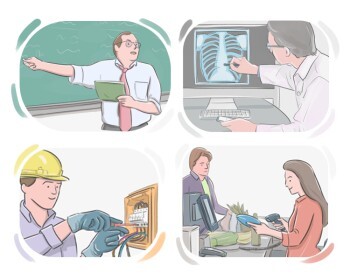
to do certain physical or mental activities in order to achieve a result or as a part of our job
pracować
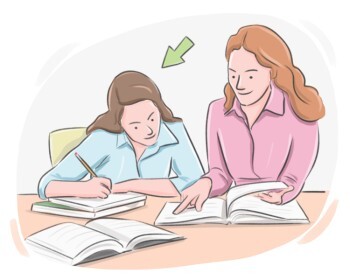
to become knowledgeable or skilled in something by doing it, studying, or being taught
uczyć się, studiować
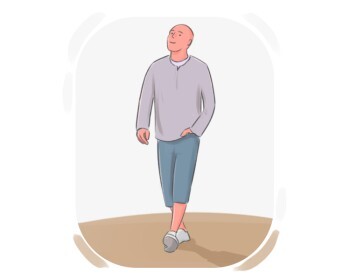
to move forward at a regular speed by placing our feet in front of each other one by one
chodzić, spacerować
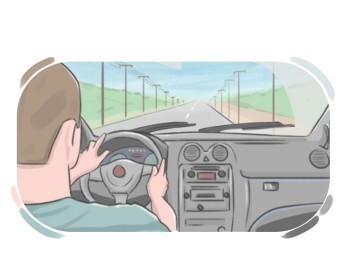
to control the movement and the speed of a car, bus, truck, etc. when it is moving
prowadzić
to make a person feel interested or happy, particularly about something that will happen soon
ekscytować, podniecać
Perspektywa rozpoczęcia nowej pracy ekscytuje go w związku z przyszłością.
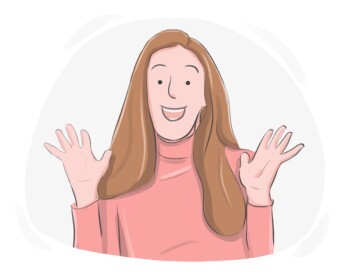
feeling very happy, interested, and energetic
podekscytowany,rozemocjonowany, very happy and full of energy
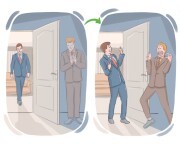
to cause a person or animal to feel scared
przestraszyć, nastraszyć
causing one to feel fear
przerażający, straszny
Przerażający hałas sprawił, że podskoczyła.
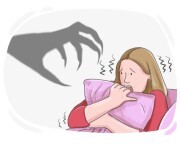
feeling afraid, often suddenly, due to danger, threat, or shock
przestraszony, przerażony
Poczuła się przestraszona, gdy usłyszała dziwne dźwięki za oknem.

feeling or showing great surprise
zdumiony, zaskoczony
Jego zdumiona mina wiele mówiła o jego reakcji na nieoczekiwaną wiadomość.
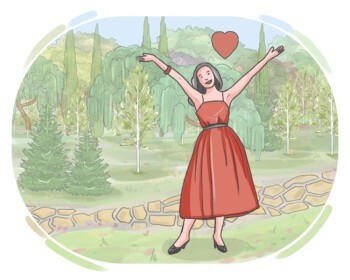
extremely surprising, particularly in a good way
niesamowity, zadziwiający
Otrzymał niesamowity prezent od swoich dziadków na urodziny.
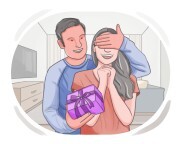
to make someone feel mildly shocked
zaskoczyć, zdziwić

feeling or showing shock or amazement
zaskoczony, zdumiony
Wyglądała na zaskoczoną, kiedy zrobili jej przyjęcie urodzinowe.
causing a feeling of shock, disbelief, or wonder
zaskakujący, zdumiewający
Jego nagła decyzja o rezygnacji z pracy była dość zaskakująca.
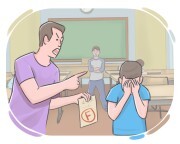
to make a person feel ashamed, uneasy, or nervous, especially in front of other people
zawstydzać, wprawiać w zakłopotanie
Zapomnienie swoich kwestii na scenie zawstydziło aktorkę, ale odzyskała równowagę z gracją.
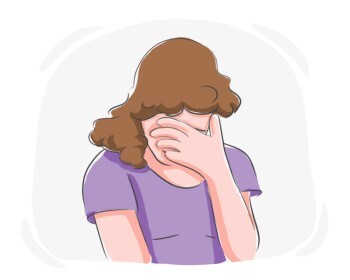
feeling ashamed and uncomfortable because of something that happened or was said
zakłopotany, zawstydzony
Zawstydzone twarze wypełniły pokój po niezręcznym żarcie.
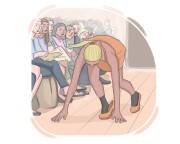
causing a person to feel ashamed or uneasy
krępujący, zawstydzający
Jego krępujące poślizgnięcie się na skórce od banana na oczach wszystkich sprawiło, że zaczerwienił się ze wstydu.
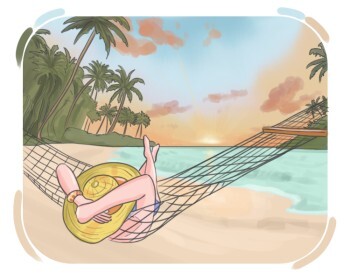
to take pleasure or find happiness in something or someone
cieszyć się, lubić
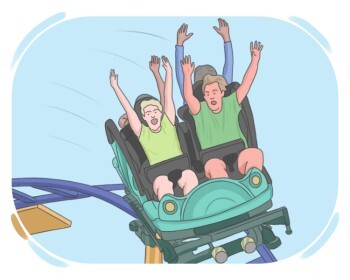
the feeling of pleasure that someone experiences from an activity, a thing or a situation
przyjemność, rozkosz
Znajdował wielką przyjemność w graniu na pianinie każdego wieczoru.
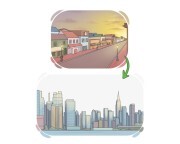
to change and become stronger or more advanced
rozwijać, ewoluować

a process or state in which something becomes more advanced, stronger, etc.
rozwój

to provide someone with support, hope, or confidence
zachęcać, wspierać
something that gives someone hope, confidence, or motivation
zachęta, wsparcie
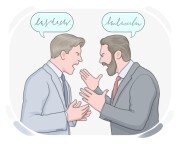
to speak to someone often angrily because one disagrees with them
kłócić się, sprzeczać się
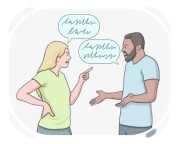
a discussion, typically a serious one, between two or more people with different views
argument, dyskusja
to cause someone to form a particular opinion about a person or thing
sprawiać wrażenie, wywierać wrażenie
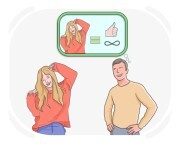
an opinion or feeling that one has about someone or something, particularly one formed unconsciously
wrażenie
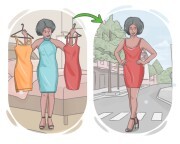
to think carefully about different things and choose one of them
decydować, postanawiać
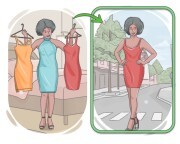
a choice or judgment that is made after adequate consideration or thought
decyzja, wybór
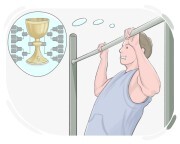
to have something in mind as a plan or purpose
zamierzać, planować
something that one is aiming, wanting, or planning to do
zamiar, cel
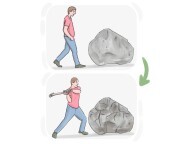
to find an answer or solution to a question or problem
rozwiązywać, rozstrzygać
a way in which a problem can be solved or dealt with
rozwiązanie
