
Vocabular Avansat pentru GRE - Întreprinderi Artistice
Aici veți învăța câteva cuvinte în engleză despre artă, cum ar fi "artifact", "epigram", "fals" etc., care sunt necesare pentru examenul GRE.
Revizuire
Fișe de studiu
Ortografie
Chestionar


a clever and concise expression that contains a general truth or principle

apoftegmă, maximă
Înțeleptul bătrân profesor folosea adesea un aforism pentru a transmite lecții profunde în doar câteva cuvinte.
something occurring at a time when it could not have existed or happened
anacronism, eroare cronologică
Cronologia poveștii era plină de anacronisme.
a man-made object, tool, weapon, etc. that was created in the past and holds historical or cultural significance
artefact, obiect fabricat
Artefactele fabricării timpurii a uneltelor, cum ar fi cuțitele de piatră și vârfurile de proiectile, arată ingeniozitatea și spiritul inventiv al oamenilor paleolitici.
a protruding structure that supports a building or wall and is made out of bricks or stones
contrafort, zid de sprijin
Contrafortele impunătoare ale catedralei gotice au oferit un suport structural esențial, permițând construcția tavanurilor boltite înalte.
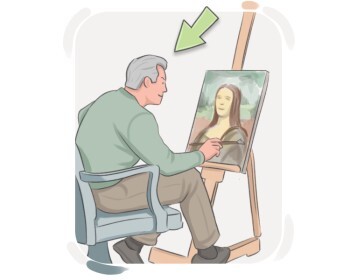
an individual who is an expert of art, food, music, etc. and can judge its quality
cunoscător, expert
Ca cunoscător de vinuri, el putea discerna nuanțe subtile în aromă și gust, identificând cu ușurință regiunea și anul recoltei fiecărei sticle.
a musical composition in which two or more independent melodies are played or sung simultaneously, creating harmony and interplay
contrapunct
Fugile lui Bach sunt capodopere ale contrapunctului.
the last section of a literary or dramatic piece where the plot is concluded and all the matters of the work is explained
deznodământ, rezolvare
Deznodământul piesei a dezvăluit adevăratele motive din spatele acțiunilor protagonistului.
a saying that coveys an idea in a manner that is short and witty
epigramă, spusă spirituală
a text or speech that offers high praise for a person or thing, not necessarily linked to the deceased
elogiu, panegiric
Descopererea omului de știință a primit un elogiu la conferința internațională, marcându-și semnificația în domeniu.
the fact of having an excessive number of words that results in being tedious
prolixitate
Conferința profesorului a fost criticată pentru prolixitatea sa, deoarece mulți studenți au considerat detaliile excesive și explicațiile lungi copleșitoare și plictisitoare.
an individual who has the skill of telling stories in a way that is entertaining
povestitor
La petrecere, s-a dovedit a fi un povestitor cu poveștile sale captivante de călătorie.
the study of techniques and principles for using language effectively, especially in public speaking
retorică, arta oratorică
to characterize or influence a style, behavior, opinion, etc.
informa, influența
according to the rules that are broadly accepted or are official
canonic, ortodox
Textul este considerat canonic în studiul literaturii clasice, respectând standardele academice acceptate.

coming from the imagination rather than facts
fantezist, imaginar
Poveștile fantastice despre dragoni și vrăjitori i-au încântat pe copiii adunați în jurul povestitorului.
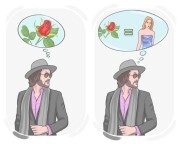
using language in a way that words don't have their actual meaning, but an imaginative meaning instead
figurat, metaforic
Folosirea limbajului figurat de către poet a pictat imagini vii în mintea cititorului.
(of phrases, words, ideas, etc.) used so much that it has lost its effect, interest, or originality
banal, cliseu
Subiectul filmului a fost criticat pentru că s-a bazat pe clisee care nu aveau creativitate.
resembling Franz Kafka's works in being extremely nightmarish, bizarre, and confusing
kafkian, kafkaesc
Visul ei era atât de kafkian încât s-a trezit nesigură ce era real și ce era imaginat.
(of language or music) clear and easy to understand
limpede, clar
Proza limpede a vorbitorului a făcut ideile complexe accesibile tuturor din public.
disturbing and fear inducing due to its connection with death, murder, violence, etc.
macabru
Scenele macabre de violență ale filmului au lăsat un impact de durată asupra publicului său.
(of sounds) smooth, pleasant, and sweet to the ear
melodios, dulce și melodios
Tonurile mellifluo ale violoncelului au umplut sala de concerte cu căldură și emoție.
having an existence that is independent of personal perception or interpretation
obiectiv, independent de percepție
seeming unreal, confusing, and dream-like
fantasmagoric, ireal
Visul ei era atât de fantasmagoric încât părea că pășește într-o lume în care logica nu avea loc.

not based on honesty or truth and intended to mislead others
fals, înşelător
Diploma falsă de la o fabrică de diplome a fost rapid identificată ca fiind frauduloasă de către angajator.

referring to something that happens, is published, or is awarded after the death of the person to whom it relates
postum
Romanul postum al autorului a fost publicat la un an după moartea sa, devenind un bestseller.
existing within one's mind and dependent on one's perspective rather than reality
subiectiv, personal
Realitatea poate părea subiectivă, modelată de conștiința individuală.
