pattern

Cambridge English: CAE (C1 Advanced) - Экологические Принципы и Охрана

Обзор

Флэш-карточки

формы

Правописание

Тест

Начать учиться
Cambridge English: CAE (C1 Advanced)
biodegradable
biodegradable
[прилагательное]

(of an object) able to be broken down by living organisms such as bacteria, which is then safe for the environment

биоразлагаемый
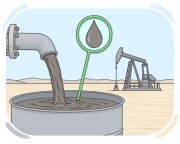
биоразлагаемый

Ex: Certain detergents and cleaning products are formulated with biodegradable ingredients to minimize environmental impact .

Некоторые моющие средства и чистящие продукты содержат биоразлагаемые ингредиенты, чтобы минимизировать воздействие на окружающую среду.

Закрыть
Войти
crude
crude
[прилагательное]

(of natural substances such as oil) unprocessed and in raw form

сырой

сырой

Ex: The documentary highlighted the environmental impact of crude oil extraction in fragile ecosystems.

Документальный фильм подчеркнул экологическое воздействие добычи сырой нефти в хрупких экосистемах.

Закрыть
Войти
free-range
free-range
[прилагательное]

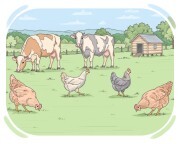
related to a type of farming in which animals and birds can move around and eat freely, instead of being kept in a limited area

свободный выгул
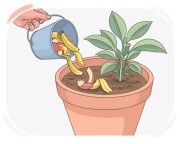
свободный выгул

Ex: The supermarket stocks a variety of free-range poultry products to cater to environmentally conscious shoppers .

Супермаркет предлагает разнообразные продукты из свободного выгула птицы для экологически сознательных покупателей.

Закрыть
Войти
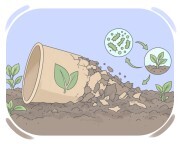
to compost
to compost
[глагол]

to make decayed leaves, plants, or other organic waste into a mixture that can improve the soil's quality to help plants grow more quickly

компостировать

компостировать

Ex: Composting coffee grounds and eggshells adds valuable nutrients to the soil .

Компостирование кофейной гущи и яичной скорлупы добавляет в почву ценные питательные вещества.

Закрыть
Войти
to refine
to refine
[глагол]

to remove unwanted or harmful substances from another substance

рафинировать

рафинировать

Ex: The oil industry continuously refines crude oil into various usable products .

Нефтяная промышленность постоянно очищает сырую нефть, превращая её в различные полезные продукты.

Закрыть
Войти
to reuse
to reuse
[глагол]

to use something once more, usually for a different purpose

повторно использовать

повторно использовать

Ex: They reused glass bottles as decorative vases for the wedding centerpieces .

Они повторно использовали стеклянные бутылки в качестве декоративных ваз для свадебных центров стола.

Закрыть
Войти
conservationist
conservationist
[существительное]

someone who makes efforts to protect the environment and wildlife from any type of harm

защитник природы

защитник природы

Ex: The conservationist campaigned successfully to establish wildlife reserves in threatened areas .

Защитник природы успешно провел кампанию по созданию заповедников в угрожаемых районах.

Закрыть
Войти
eco-anxiety
eco-anxiety
[существительное]

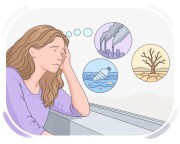
a feeling of great worry regarding the current and future state of the environment threatened by humans

эко-тревога
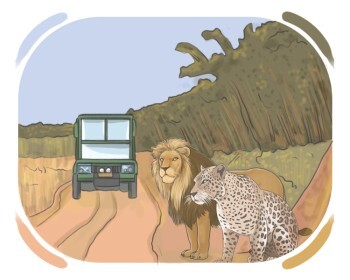
эко-тревога

Ex: Educators are developing programs to help students cope with eco-anxiety and take positive action for the environment .

Педагоги разрабатывают программы, чтобы помочь студентам справиться с эко-тревогой и предпринимать позитивные действия для окружающей среды.

Закрыть
Войти
sanctuary
sanctuary
[существительное]

an area for birds and animals to live and to be protected from dangerous conditions and being hunted

заповедник

заповедник

Ex: Education programs at the sanctuary teach visitors about conservation and the importance of protecting natural habitats.

Образовательные программы в заповеднике учат посетителей сохранению и важности защиты естественных мест обитания.

Закрыть
Войти
to die out
to die out
[глагол]

to completely disappear or cease to exist

вымирать

вымирать

Ex: By the end of the century , experts fear that some ecosystems will have died out due to climate change .

К концу века эксперты опасаются, что некоторые экосистемы исчезнут из-за изменения климата.

Закрыть
Войти
rot
rot
[существительное]

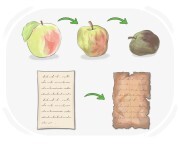
the process of being destroyed via natural causes

гниение

гниение

Ex: Composting involves the controlled decomposition of organic matter to prevent it from rotting in landfills.

Компостирование включает контролируемое разложение органического вещества, чтобы предотвратить его гниение на свалках.

Закрыть
Войти
extinct
extinct
[прилагательное]

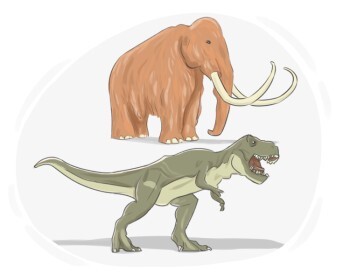
(of an animal, plant, etc.) not having any living members, either due to natural causes, environmental changes, or human activity

вымерший

вымерший

Ex: Conservation efforts aim to protect endangered species and prevent them from becoming extinct.

Усилия по сохранению направлены на защиту исчезающих видов и предотвращение их вымирания.

Закрыть
Войти
habitat
habitat
[существительное]

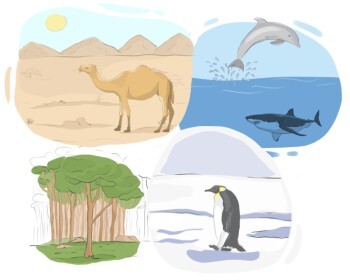
the place or area in which certain animals, birds, or plants naturally exist, lives, and grows

среда обитания, местообитание

среда обитания, местообитание

Ex: Cacti are well adapted to the dry habitat of the desert .

Кактусы хорошо приспособлены к сухому местообитанию пустыни.

Закрыть
Войти
green space
green space
[существительное]

an area of grass, trees, or other vegetation in a town or city, intended for public use or environmental benefit

зеленая зона, зеленое пространство

зеленая зона, зеленое пространство

Ex: We had lunch in a small green space near the office .

Мы пообедали в небольшом зеленом пространстве рядом с офисом.

Закрыть
Войти
eco-friendly
eco-friendly
[прилагательное]

referring to products, actions, or practices that are designed to cause minimal harm to the environment

экологически чистый

экологически чистый

Ex: They installed eco-friendly solar panels to lower their energy consumption .

Они установили экологически чистые солнечные панели, чтобы снизить потребление энергии.

Закрыть
Войти
cultivation
cultivation
[существительное]

the practice of preparing and using land for growing crops, especially on a large scale

выращивание

выращивание

Ex: Soil quality directly affects the cultivation of vegetables .

Качество почвы напрямую влияет на выращивание овощей.

Закрыть
Войти
to harvest
to harvest
[глагол]

to cut and collect a crop

собирать урожай

собирать урожай

Ex: He harvests carrots from the garden beds , pulling them from the soil .

Он собирает морковь с грядок, вытаскивая её из почвы.

Закрыть
Войти
brushwood
brushwood
[существительное]

a collection of small branches, twigs, and other woody offcuts typically used for fuel or kindling

хворост, мелкие ветки

хворост, мелкие ветки

Ex: After pruning the hedges , the landscaper hauled away the brushwood to the compost facility .

После обрезки изгородей ландшафтный дизайнер вывез хворост на компостную установку.

Закрыть
Войти
dung
dung
[существительное]

the solid waste produced by animals

навоз, помет

навоз, помет

Ex: Scientists analyze bear dung to learn what the bears have been eating .

Ученые анализируют помет медведей, чтобы узнать, что ели медведи.

Закрыть
Войти
shrub
shrub
[существительное]

a large woody plant with several main stems emerging from the ground

кустарник

кустарник

Ex: The landscaper suggested adding more shrubs to create a natural border around the lawn .

Ландшафтный дизайнер предложил добавить больше кустарников, чтобы создать естественную границу вокруг газона.

Закрыть
Войти
straw
straw
[существительное]

the dried stalks of cereal plants after the grain has been removed, used for animal bedding, fodder, thatching, or making woven items such as baskets and hats

солома, мякина

солома, мякина

Ex: Loose straw blew across the yard when the wind gusted through the barn doors .

Свободная солома разлетелась по двору, когда ветер пронёсся через двери сарая.

Закрыть
Войти
ledge
ledge
[существительное]

a thin, shelf-like projection extending horizontally from a vertical face such as a wall or cliff

выступ, подоконник

выступ, подоконник

Ex: Moss and ferns grew in the damp cracks of the cave 's low ledge.

Мхи и папоротники росли во влажных трещинах низкого уступа пещеры.

Закрыть
Войти
LanGeek
Скачать приложение LanGeek