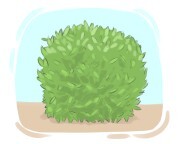
pattern

Cambridge English: CAE (C1 Advanced) - Ecological Principles & Conservation

Review

Flashcards

Forms

Spelling

Quiz

Start learning
Cambridge English: CAE (C1 Advanced)
biodegradable
biodegradable
[Adjective]

(of an object) able to be broken down by living organisms such as bacteria, which is then safe for the environment

Ex: Certain detergents and cleaning products are formulated with biodegradable ingredients to minimize environmental impact .
Close
Sign in
crude
crude
[Adjective]

(of natural substances such as oil) unprocessed and in raw form

Ex: The documentary highlighted the environmental impact of crude oil extraction in fragile ecosystems.
Close
Sign in
free-range
free-range
[Adjective]

related to a type of farming in which animals and birds can move around and eat freely, instead of being kept in a limited area
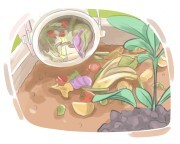
Ex: The supermarket stocks a variety of free-range poultry products to cater to environmentally conscious shoppers .
Close
Sign in
to compost

to make decayed leaves, plants, or other organic waste into a mixture that can improve the soil's quality to help plants grow more quickly
Ex: Composting coffee grounds and eggshells adds valuable nutrients to the soil .
Close
Sign in
to refine
to refine
[Verb]

to remove unwanted or harmful substances from another substance
Ex: The oil industry continuously refines crude oil into various usable products .
Close
Sign in
to reuse
to reuse
[Verb]

to use something once more, usually for a different purpose
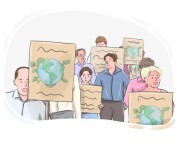
Ex: They reused glass bottles as decorative vases for the wedding centerpieces .
Close
Sign in
conservationist

someone who makes efforts to protect the environment and wildlife from any type of harm

Ex: The conservationist campaigned successfully to establish wildlife reserves in threatened areas .
Close
Sign in
eco-anxiety

a feeling of great worry regarding the current and future state of the environment threatened by humans
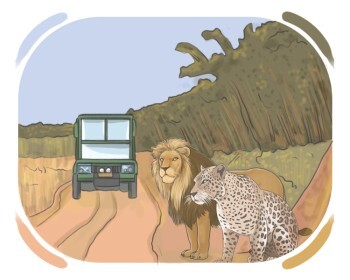
Ex: Educators are developing programs to help students cope with eco-anxiety and take positive action for the environment .
Close
Sign in
sanctuary
sanctuary
[noun]

an area for birds and animals to live and to be protected from dangerous conditions and being hunted
Ex: Education programs at the sanctuary teach visitors about conservation and the importance of protecting natural habitats.
Close
Sign in
to die out

to completely disappear or cease to exist

Ex: By the end of the century , experts fear that some ecosystems will have died out due to climate change .
Close
Sign in
rot
rot
[noun]

the process of being destroyed via natural causes

Ex: Composting involves the controlled decomposition of organic matter to prevent it from rotting in landfills.
Close
Sign in
extinct
extinct
[Adjective]

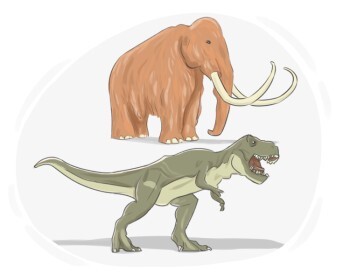
(of an animal, plant, etc.) not having any living members, either due to natural causes, environmental changes, or human activity
Ex: Conservation efforts aim to protect endangered species and prevent them from becoming extinct.
Close
Sign in
habitat
habitat
[noun]

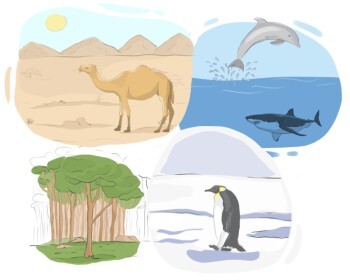
the place or area in which certain animals, birds, or plants naturally exist, lives, and grows

Ex: Cacti are well adapted to the dry habitat of the desert .
Close
Sign in
green space

an area of grass, trees, or other vegetation in a town or city, intended for public use or environmental benefit
Ex: We had lunch in a small green space near the office .
Close
Sign in
eco-friendly
eco-friendly
[Adjective]

referring to products, actions, or practices that are designed to cause minimal harm to the environment
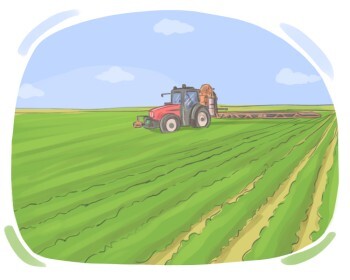
Ex: They installed eco-friendly solar panels to lower their energy consumption .
Close
Sign in
cultivation

the practice of preparing and using land for growing crops, especially on a large scale
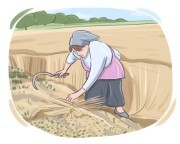
Ex: Soil quality directly affects the cultivation of vegetables .
Close
Sign in
to harvest

to cut and collect a crop

Ex: He harvests carrots from the garden beds , pulling them from the soil .
Close
Sign in
brushwood
brushwood
[noun]

a collection of small branches, twigs, and other woody offcuts typically used for fuel or kindling

Ex: After pruning the hedges , the landscaper hauled away the brushwood to the compost facility .
Close
Sign in
dung
dung
[noun]

the solid waste produced by animals

Ex: Scientists analyze bear dung to learn what the bears have been eating .
Close
Sign in
shrub
shrub
[noun]

a large woody plant with several main stems emerging from the ground

Ex: The landscaper suggested adding more shrubs to create a natural border around the lawn .
Close
Sign in
straw
straw
[noun]

the dried stalks of cereal plants after the grain has been removed, used for animal bedding, fodder, thatching, or making woven items such as baskets and hats

Ex: Loose straw blew across the yard when the wind gusted through the barn doors .
Close
Sign in
ledge
ledge
[noun]

a thin, shelf-like projection extending horizontally from a vertical face such as a wall or cliff

Ex: Moss and ferns grew in the damp cracks of the cave 's low ledge.
Close
Sign in
LanGeek
Download LanGeek app