pattern

Навыки Слов SAT 4 - урок 21

Обзор

Флэш-карточки

формы

Правописание

Тест

Начать учиться
SAT Word Skills 4
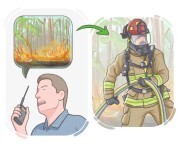
to dispatch
to dispatch
[глагол]

to send a person or thing somewhere for a specific purpose

отправить

отправить

Ex: In emergency situations , paramedics are dispatched to provide immediate medical care .

В чрезвычайных ситуациях парамедики направляются для оказания немедленной медицинской помощи.

Закрыть
Войти
to dispel
to dispel
[глагол]

to make something disappear

рассеять, развеять

рассеять, развеять

Ex: The therapist helped the patient dispel irrational fears through counseling.

Терапевт помог пациенту развеять иррациональные страхи с помощью консультирования.

Закрыть
Войти
dispensation
dispensation
[существительное]

the privilege of being officially released from an obligation, law, or something that is usually prohibited

осуществление

осуществление

Ex: During the emergency , the governor issued a dispensation to bypass certain legal requirements .

Во время чрезвычайной ситуации губернатор выдал освобождение, чтобы обойти определенные юридические требования.

Закрыть
Войти
to disperse
to disperse
[глагол]

to part and move in different directions

расходиться

расходиться

Ex: The guests began to disperse from the party as the evening wore on .

Гости начали расходиться с вечеринки по мере того, как вечер продвигался.

Закрыть
Войти
cholera
cholera
[существительное]

a potentially fatal illness that is acquired from consumption of water or food contaminated with particular bacteria, causing diarrhea and vomiting

холера

холера

Ex: Doctors worked tirelessly to treat patients suffering from cholera in the makeshift clinic .

Врачи неустанно работали, чтобы лечить пациентов, страдающих от холеры, во временной клинике.

Закрыть
Войти
choleric
choleric
[прилагательное]

easily angered or irritated

раздражительный

раздражительный

Ex: His choleric attitude often led to tense situations in meetings .

Его холерический настрой часто приводил к напряжённым ситуациям на собраниях.

Закрыть
Войти
to impart
to impart
[глагол]

to make information, knowledge, or a skill known or understood

передавать

передавать

Ex: The consultant is currently imparting her expertise in the training session .

Консультант в настоящее время передает свой опыт на тренировочном занятии.

Закрыть
Войти
impartial
impartial
[прилагательное]

not favoring a particular party in a way that enables one to act or decide fairly

беспристрастный

беспристрастный

Ex: The organization ’s impartial stance on political matters ensured that all opinions were respected .

Беспристрастная позиция организации по политическим вопросам обеспечила уважение всех мнений.

Закрыть
Войти
prototype
prototype
[существительное]

an early or preliminary model of something from which other forms are developed or copied

прототип

прототип

Ex: The prototype of the wearable device helped identify potential improvements before the product went to market .

Прототип носимого устройства помог выявить потенциальные улучшения перед выходом продукта на рынок.

Закрыть
Войти
protoplasm
protoplasm
[существительное]

the substance inside the living cells of animals or plants

протоплазма

протоплазма

Ex: Protoplasm consists of the cytoplasm and the nucleus , which together perform vital functions in the cell .

Протоплазма состоит из цитоплазмы и ядра, которые вместе выполняют жизненно важные функции в клетке.

Закрыть
Войти
protocol
protocol
[существительное]

the accepted way of behavior in a community or group of people

протокол

протокол

Ex: The protocol at weddings often includes exchanging vows , cutting the cake , and dancing with the bride and groom .

Протокол на свадьбах часто включает обмен клятвами, разрезание торта и танцы с женихом и невестой.

Закрыть
Войти
sentinel
sentinel
[существительное]

a person hired to stand guard

охранник, страж

охранник, страж

Ex: Pacing back and forth , the sentinel was focused on every movement .

Часовой, расхаживая взад и вперед, был сосредоточен на каждом движении.

Закрыть
Войти
sentient
sentient
[прилагательное]

possessing the ability to experience, feel, or perceive things through the senses

чувствующий

чувствующий

Ex: The ethical treatment of sentient creatures is a significant concern in animal welfare.

Этичное обращение с разумными существами является важной проблемой в защите животных.

Закрыть
Войти
advent
advent
[существительное]

the arrival of a significant event, person, or thing that has been eagerly anticipated

пришествие

пришествие

Ex: The advent of space exploration has opened up new possibilities for understanding our universe .

Появление космических исследований открыло новые возможности для понимания нашей вселенной.

Закрыть
Войти
cognate
cognate
[прилагательное]

sharing the same ancestors

родственный

родственный

Ex: After a DNA test , they confirmed they were cognate, with a shared great-grandparent linking their families .

После теста ДНК они подтвердили, что являются родственниками, с общим прадедом, связывающим их семьи.

Закрыть
Войти
adventitious
adventitious
[прилагательное]

coming from an external source

случайный

случайный

Ex: The discovery of the rare artifact was adventitious, arising purely from an unexpected encounter during the excavation .

Обнаружение редкого артефакта было случайным, возникшим purely из неожиданной встречи во время раскопок.

Закрыть
Войти
cognizant
cognizant
[прилагательное]

having knowledge or awareness about something

осознающий

осознающий

Ex: He was cognizant of his limitations and knew when to ask for help .

Он осознавал свои ограничения и знал, когда просить о помощи.

Закрыть
Войти
humble
humble
[прилагательное]

behaving in a way that shows the lack of pride or sense of superiority over others

смиренный

смиренный

Ex: The humble leader listens to the ideas and concerns of others , valuing their contributions .

Скромный лидер прислушивается к идеям и заботам других, ценя их вклад.

Закрыть
Войти
humdrum
humdrum
[прилагательное]

lacking excitement or variety

однообразный

однообразный

Ex: The novel's humdrum plot failed to capture the reader's interest, resulting in a lackluster reception.

Обыденный сюжет романа не смог заинтересовать читателя, что привело к посредственному приему.

Закрыть
Войти
LanGeek
Скачать приложение LanGeek