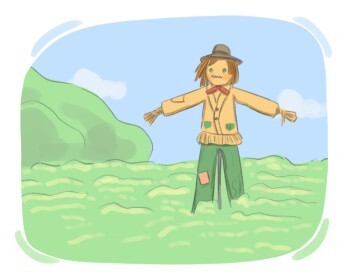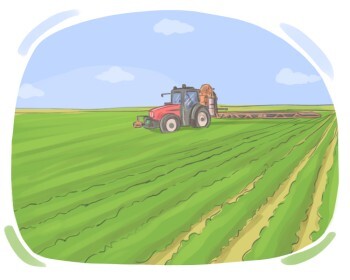
the practice and study of growing crops and raising animals for food or other products

related to the practice or science of farming
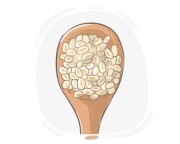
a single seed or grain of the cereal plant barley

a seed growing in long pods on a climbing plant, eaten as a vegetable
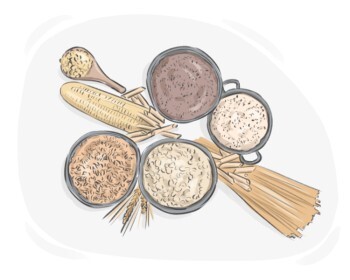
any of the various types of grass that produce grains such as wheat, barley, rye, etc., which can be used to make flour or bread

a bushy plant or small tree that produces bolls with seeds covered in long, soft fibers
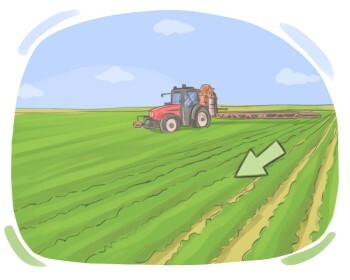
a plant that is grown for food over large areas of land
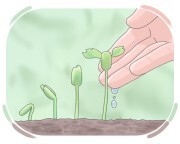
to grow plants or crops, especially for farming or commercial purposes
the practice of preparing and using land for growing crops, especially on a large scale
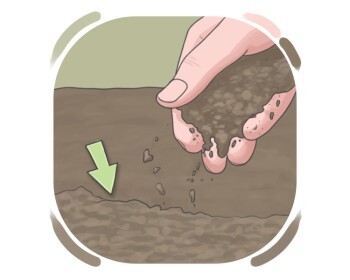
the soft material on the ground that forms soil and land surfaces
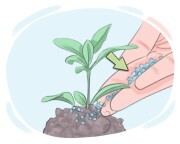
to increase productivity of the soil by spreading suitable substances on it
a chemical or natural material that is added to the soil to improve its productivity and help plants grow
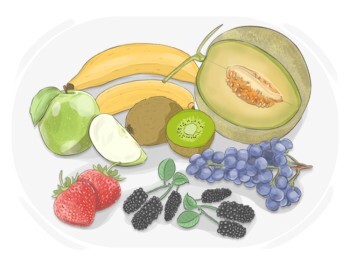
something we can eat that grows on trees, plants, or bushes
the small seeds of wheat, corn, rice, and other such crops
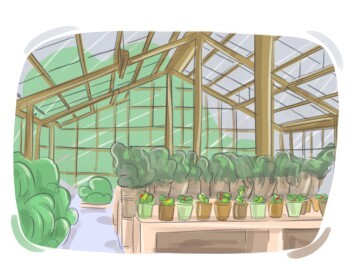
a glass structure used for growing plants in and protecting them from cold weather
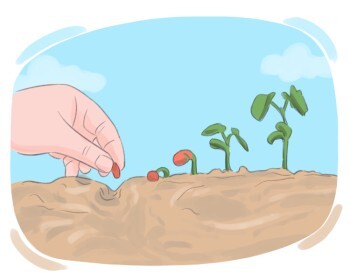
(of a plant) to naturally exist and develop
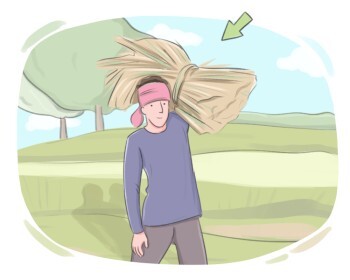
the amount of produce gathered from crops during one growing season
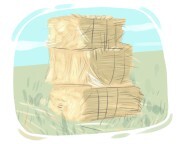
cut and dried grass, for animals to feed on
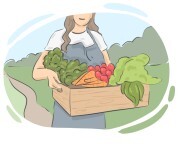
(of food or farming techniques) produced or done without any artificial or chemical substances
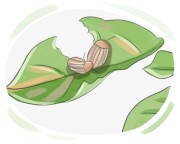
an insect or small animal that destroys or damages crops, food, etc.
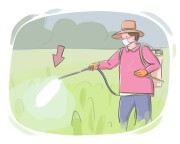
a type of chemical substance that is used for killing insects or small animals that damage food or crops
to gather or harvest berries, flowers, or similar items where they grow
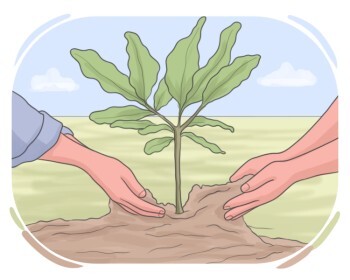
to put a seed, plant, etc. in the ground to grow
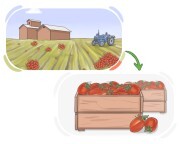
to raise or grow something naturally, in large numbers
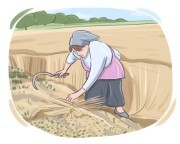
to cut or gather a crop
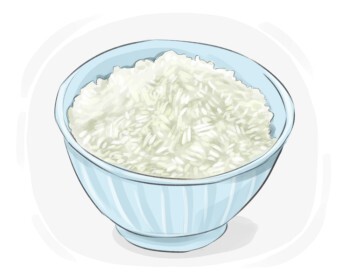
a small and short grain that is white or brown and usually grown and eaten a lot in Asia
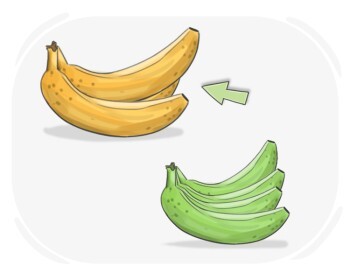
(of fruit or crop) fully developed and ready for consumption
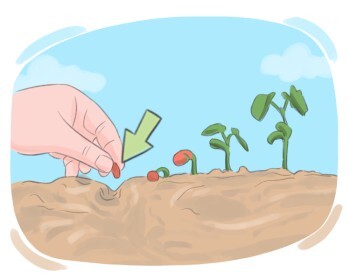
a small living part of a plant that when put in the ground, grows into a new one
the black or brownish substance consisted of organic remains, rock particles, and clay that forms the upper layer of earth where trees or other plants grow
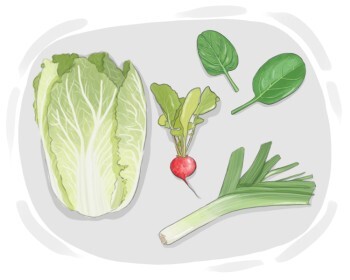
a plant or a part of it that we can eat either raw or cooked
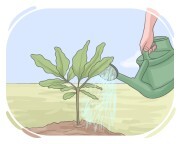
to pour water on the ground to make plants grow in it
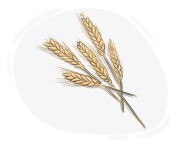
the common grain that is used in making flour, taken from a cereal grass which is green and tall
the total amount of something that is produced, as in agriculture or an industry
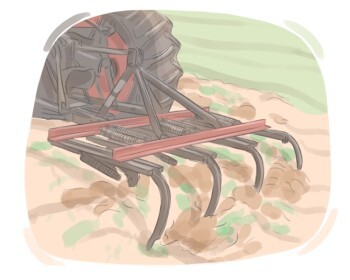
to use a large farming equipment to dig the ground and make it ready for farming