pattern

Key Vocabulary for Common Illnesses - Sore Throat

Review

Flashcards

Forms

Spelling

Quiz

Start learning
Key Vocabulary for Common Illnesses
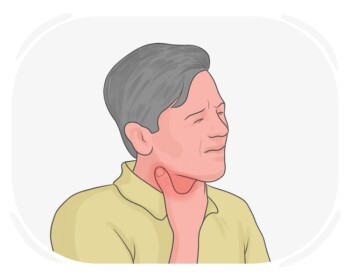
sore throat

a condition when you feel pain in the throat, usually caused by bacteria or viruses
Ex: A sore throat is often the first sign of a cold. 
Close
Sign in
when
when
[conjunction]

used to indicate that two things happen at the same time or during something else
Ex: He felt nervous when he had to give a presentation. 
Close
Sign in
throat
throat
[noun]

a passage in the neck through which food and air pass
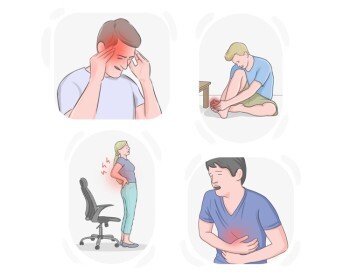
Ex: He gargled with saltwater to ease the pain in his throat. 
Close
Sign in
to hurt
to hurt
[Verb]

to feel pain in a part of the body

Ex: After the bee sting, the spot hurt for a few hours. 
Close
Sign in
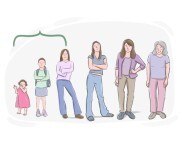
child
child
[noun]

a young person who has not reached puberty or adulthood yet
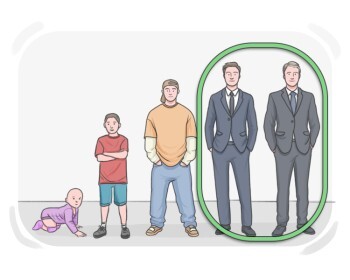
Ex: As parents, we should prioritize the well-being and safety of our children at all times. 
Close
Sign in
adult
adult
[noun]

a fully grown man or woman

Ex: Adults have the freedom to make their own decisions and choices. 
Close
Sign in
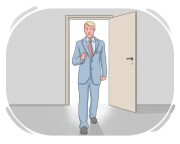
someone
someone
[pronoun]

a person who is not mentioned by name
Ex: Someone left their umbrella in the hallway. 
Close
Sign in
cold
cold
[noun]

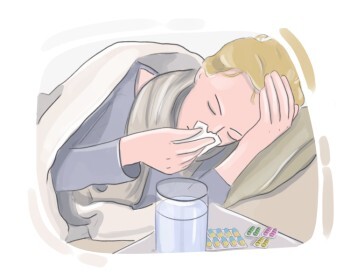
a mild disease that we usually get when viruses affect our body and make us cough, sneeze, or have fever

Ex: During winter, many people catch a cold. 
Close
Sign in
germ
germ
[noun]

a small living organism that causes disease or infection
Ex: Make sure you wash your hands after riding the subway to get rid of any germs. 
Close
Sign in
to get into

to enter or reach a location

Ex: She needed to get into the building to attend the meeting. 
Close
Sign in
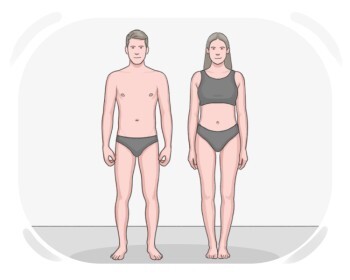
body
body
[noun]

our or an animal's hands, legs, head, and every other part together

Ex: She enjoys yoga because it helps her connect with her body and find inner balance. 
Close
Sign in
sometimes
sometimes
[Adverb]

on some occasions but not always

Ex: She sometimes practices yoga in the morning. 
Close
Sign in
also
also
[Adverb]

used to add another item, fact, or action to what has already been mentioned
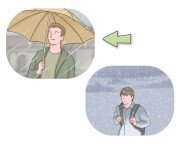
Ex: She teaches full-time and also runs her own business. 
Close
Sign in
dry
dry
[Adjective]

lacking moisture or liquid

Ex: She watered the dry plants in the garden. 
Close
Sign in
to shout
to shout
[Verb]

to speak loudly, often associated with expressing anger or when you cannot hear what the other person is saying
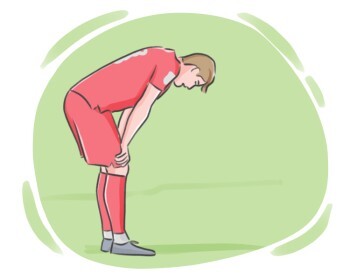
Ex: Frustrated with the distant conversation, she had to shout to make herself heard across the crowded room. 
Close
Sign in
a lot
a lot
[Adverb]

to a large degree

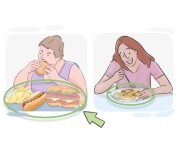
Ex: Thanks a lot for helping me with the move. 
Close
Sign in
tired
tired
[Adjective]

needing to sleep or rest because of not having any more energy

Ex: After a long day at work, he felt extremely tired. 
Close
Sign in
scratchy
scratchy
[Adjective]

having a harsh and unpleasant sound

Ex: His scratchy voice made it difficult to hear him over the noise. 
Close
Sign in
painful
painful
[Adjective]

causing physical pain in someone

Ex: The painful bruise on his leg made it hard to walk. 
Close
Sign in
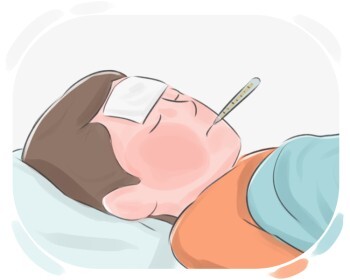
fever
fever
[noun]

a condition when the body temperature rises, usually when we are sick
Ex: A fever is one of the common symptoms of the flu. 
Close
Sign in
important
important
[Adjective]

having a lot of value

Ex: Conserving water is important for the sustainable use of natural resources. 
Close
Sign in
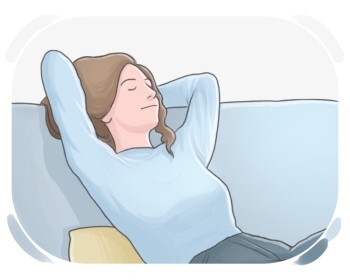
to rest
to rest
[Verb]

to stop working, moving, or doing an activity for a period of time and sit or lie down to relax
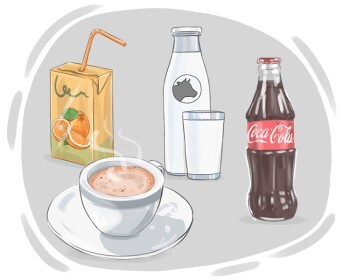
Ex: After a long day at work, I like to rest on the couch and watch TV. 
Close
Sign in
drink
drink
[noun]

any liquid that we can drink

Ex: She poured herself a refreshing drink after a long day. 
Close
Sign in
warm
warm
[Adjective]

having a temperature that is high but not hot, especially in a way that is pleasant
Ex: She dipped her feet in the warm sand on the beach. 
Close
Sign in
tea
tea
[noun]

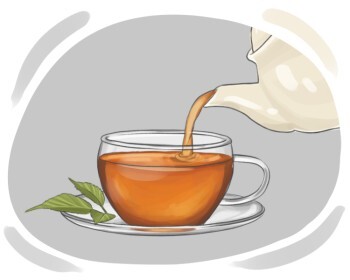
a drink we make by soaking dried tea leaves in hot water
Ex: He added a splash of milk to his black tea for a creamy and smooth taste. 
Close
Sign in
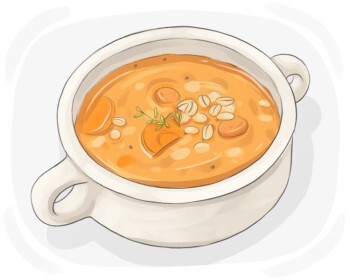
soup
soup
[noun]

liquid food we make by cooking things like meat, fish, or vegetables in water

Ex: I always garnish my soup with a sprinkle of fresh herbs. 
Close
Sign in
to make
to make
[Verb]

to cause someone or something to display or possess a specific quality, emotion, or state
Ex: His encouraging words made the team more confident. 
Close
Sign in
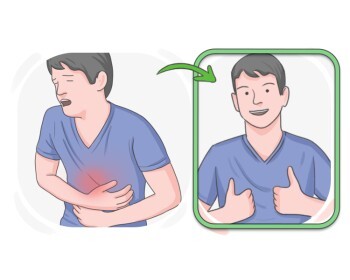
better
better
[Adjective]

recovered from a physical or mental health problem completely or compared to the past
Ex: After using the medicine, I felt much better. 
Close
Sign in
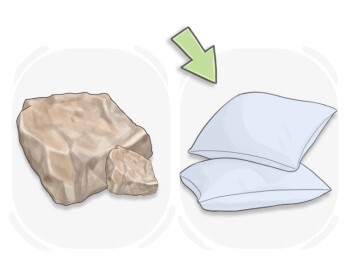
soft
soft
[Adjective]

gentle to the touch

Ex: He wore a soft woolen scarf around his neck to stay warm. 
Close
Sign in
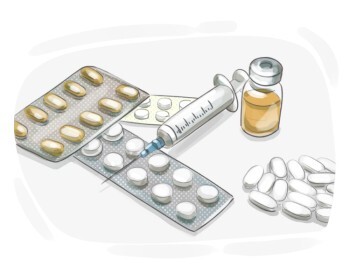
medicine
medicine
[noun]

a substance that treats injuries or illnesses

Ex: The doctor prescribed medicine for her cough. 
Close
Sign in
pain
pain
[noun]

the unpleasant feeling caused by an illness or injury
Ex: I have a sharp pain in my side when I breathe. 
Close
Sign in
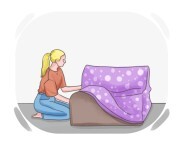
to cover
to cover
[Verb]

to put something over something else in a way that hides or protects it
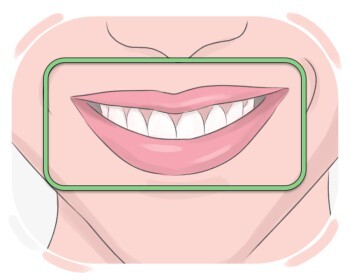
Ex: She used a blanket to cover the delicate furniture during the move. 
Close
Sign in
mouth
mouth
[noun]

our body part that we use for eating, speaking, and breathing
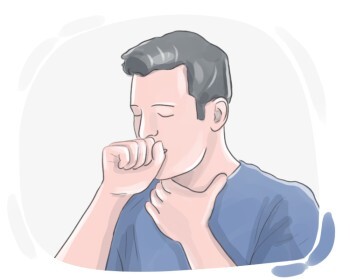
Ex: He chewed his food with his mouth closed, showing good manners. 
Close
Sign in
to cough
to cough
[Verb]

to push air out of our mouth with a sudden noise
Ex: Don't cough into your hand; it's better to use a tissue. 
Close
Sign in
to wash
to wash
[Verb]

to clean someone or something with water, often with a type of soap
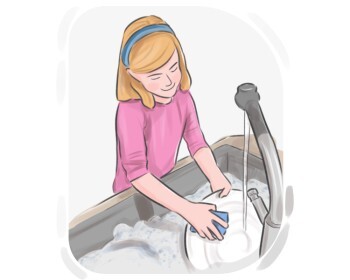
Ex: I always wash my hands before eating. 
Close
Sign in
to spread
to spread
[Verb]

to extend or increase in influence or effect over a larger area or group of people
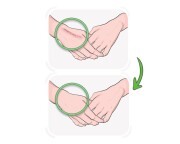
Ex: The flu virus can easily spread in crowded places. 
Close
Sign in
to heal
to heal
[Verb]

to become healthy again

Ex: Over time, a wound may heal and gradually close. 
Close
Sign in
to stay
to stay
[Verb]

to remain in a particular place

Ex: The weather is too unpredictable, so it's better to stay indoors. 
Close
Sign in
to avoid
to avoid
[Verb]

to keep away from or deliberately not do something

Ex: They avoid smoking as it's detrimental to their health. 
Close
Sign in
to give
to give
[Verb]

to pass a disease or illness to someone else and cause them to become sick or infected

Ex: The traveler unknowingly gave the virus to fellow passengers on the plane. 
Close
Sign in
common
common
[Adjective]

frequently found, happening, or seen

Ex: It’s common for people to exchange holiday gifts with friends and family. 
Close
Sign in
serious
serious
[Adjective]

needing attention and action because of possible danger or risk
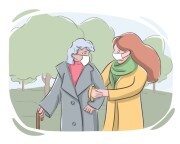
Ex: The doctor said the injury was serious and needed immediate surgery. 
Close
Sign in
care
care
[noun]

the act of providing treatment and paying attention to the physical and emotional needs of someone or something

Ex: The elderly residents of the nursing home received compassionate care from the dedicated staff members. 
Close
Sign in
a few
a few
[determiner]

used to indicate a small number of items, people, or things

Ex: I have a few books to return to the library. 
Close
Sign in
to [take] care of {sb/sth}

to look after or manage someone or something, ensuring their needs are met
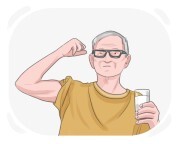
Ex: My neighbor has agreed to take care of my dog while I'm on vacation. 
Close
Sign in
healthy
healthy
[Adjective]

(of a person) not having physical or mental problems

Ex: Despite her age, she's very healthy and active. 
Close
Sign in
comfortable
comfortable
[Adjective]

feeling at ease, relaxed, or free from worry or discomfort in a particular situation or environment

Ex: I don't feel comfortable discussing personal matters with strangers. 
Close
Sign in
Key Vocabulary for Common Illnesses
ColdSore ThroatStomachacheFever
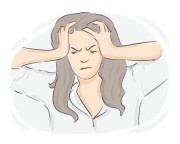
HeadacheFlu
LanGeek
Download LanGeek app