pattern

Applied Science and Research - Mining

Study terms related to mineral exploration, excavation, drilling, blasting, extraction, underground and surface mining, processing, and material transport.

Review

Flashcards

Spelling

Quiz

Start learning
Words Related to Applied Science and Research
deposit
deposit
[noun]

an accumulation of mineral or ore that has formed naturally in the ground

Ex: The geologists discovered a rich deposit of copper ore beneath the mountain range. 
Close
Sign in
excavation

the act of extracting ores, coal, or other geological materials from the earth

Ex: The excavation of the copper deposit began with clearing the overburden. 
Close
Sign in
drilling
drilling
[noun]

the act of boring a hole into the earth in search of petroleum

Ex: The drilling of the new well commenced after all permits were approved. 
Close
Sign in
blasting
blasting
[noun]

the use of controlled chemical explosives to fracture hard rock formations

Ex: The blasting at the quarry was scheduled for noon to minimize disruption. 
Close
Sign in
extraction

the process of removing a substance or object by applying physical force or effort

Ex: The extraction of the broken drill pipe took over twelve hours of careful work. 
Close
Sign in
exploration

the activity of traveling through or investigating an unfamiliar place in order to learn about it or make discoveries

Ex: Space exploration has greatly expanded our knowledge of the solar system. 
Close
Sign in
prospecting

the act of searching for valuable things like minerals, oil, or opportunities

Ex: Gold prospecting was common during the 1800s. 
Close
Sign in
quarry
quarry
[noun]

a large open excavation from which stone, rock, or similar materials are extracted

Ex: Michael works at a limestone quarry outside the city. 
Close
Sign in
mineshaft
mineshaft
[noun]

a vertical or sloping passageway excavated for mining ore or ventilating a mine
Ex: The mineshaft descended over 2,000 feet before reaching the main ore body. 
Close
Sign in
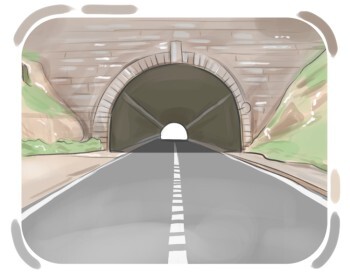
tunnel
tunnel
[noun]

a passage built or dug through or under an obstacle, especially for roads, railways, or people

Ex: The train disappeared into a long tunnel through the mountain. 
Close
Sign in
open-pit mine

a surface excavation that remains open during mining activities for extracting near-surface ores and minerals

Ex: The open-pit mine stretched over a mile across and descended nearly 2,000 feet. 
Close
Sign in
underground mine

an excavation network of tunnels and shafts beneath the earth's surface for extracting minerals and ores

Ex: The underground mine extends nearly two miles below the mountain peak. 
Close
Sign in
bore-hole
bore-hole
[noun]

a hole or passage drilled into the ground, typically for exploratory purposes

Ex: The bore-hole was drilled to assess the mineral potential of the area. 
Close
Sign in
mineral processing

the industrial process of crushing and separating ore to extract valuable minerals from waste

Ex: The mineral processing plant was designed to handle 50,000 tons of ore per day. 
Close
Sign in
crushing
crushing
[noun]

the mechanical process of reducing large extracted rocks and ore into smaller pieces using heavy-duty crushers

Ex: The crushing circuit processes over 5,000 tons of ore per day at the plant. 
Close
Sign in
grinding
grinding
[noun]

small particles or waste produced by grinding something

Ex: Metal grindings collected beneath the machine. 
Close
Sign in
screening
screening
[noun]

the mechanical separation of crushed rock and minerals by particle size using mesh or perforated surfaces

Ex: The screening plant uses multiple decks to separate material into three different size fractions. 
Close
Sign in
floatation

a process that separates valuable minerals from waste by making mineral surfaces water-repellent

Ex: The flotation circuit uses chemical reagents to separate copper sulfides from the gangue. 
Close
Sign in
smelting
smelting
[noun]

the process of heating and melting rocks or ores to take out metals from them

Ex: The smelting of iron was important in ancient times. 
Close
Sign in
tailings
tailings
[noun]

waste material left over from mining and mineral processing, often stored and reprocessed to recover remaining metals

Ex: The company is reprocessing the tailings from the old dam using modern leaching technology. 
Close
Sign in
overburden

the surface soil and rock that must be removed to access underlying coal seams or mineral deposits

Ex: They removed over 50 million tons of overburden before reaching the coal seam. 
Close
Sign in
underground mine ventilation

the system that supplies fresh air and removes contaminants from underground mines

Ex: The underground mine ventilation was upgraded to handle the deeper workings. 
Close
Sign in
haulage
haulage
[noun]

the act of transporting goods or materials by road, rail, or sea, typically involving the use of vehicles or vessels designed for such purposes

Ex: Haulage of construction materials was essential for completing the infrastructure project on time. 
Close
Sign in
conveyor
conveyor
[noun]

a moving belt that transports materials in an industrial setting
Ex: The conveyor carried crushed ore from the primary crusher to the stockpile. 
Close
Sign in
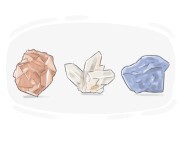
mineral
mineral
[noun]

a naturally occurring inorganic solid with a characteristic chemical composition and physical structure

Ex: Quartz is one of the most common minerals in Earth's crust. 
Close
Sign in
ore
ore
[noun]

a rock that contains valuable mineral or metal

Ex: The mine produces iron ore for steel manufacturing. 
Close
Sign in
LanGeek
Download LanGeek app
