English Result - Upper-intermediate - Unit 6 - 6A

Here you will find the vocabulary from Unit 6 - 6A in the English Result Upper-Intermediate coursebook, such as "immune", "suffer", "epidemic", etc.

review-disable

review

flashcard-disable

flashcard

spelling-disable

spelling

quiz-disable

quiz

start-learning
English Result - Upper-intermediate
disease [noun]

an illness in a human, animal, or plant that affects health

Ex: She campaigns for awareness of the disease .
epidemic [adjective]

describing a disease or condition that spreads rapidly and affects a large number of people within a specific area or community during a particular period

Ex:
affected [adjective]

impacted or influenced by something or someone
Ex: The affected plants showed signs of wilting due to lack of water .

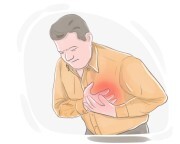
a medical emergency that happens when blood flow to the heart is suddenly blocked, which is fatal in some cases
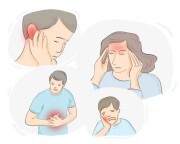
Ex: After his heart attack , he made significant lifestyle changes to improve his health .

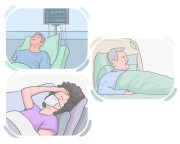
to have an illness or disease

Ex: Access to quality healthcare is crucial for those who suffer from chronic illnesses , ensuring timely diagnosis and effective treatment .
infected [adjective]

affected by a disease-causing agent, such as bacteria, viruses, or parasites
Ex: The infected wound required immediate medical attention .
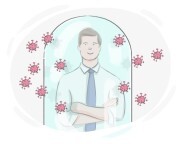
immune [adjective]

safe from catching a disease or being infected
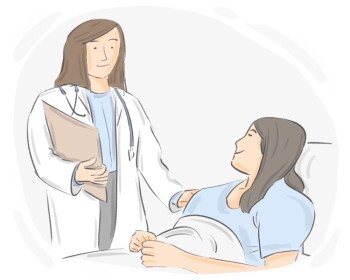
Ex: The doctor assured him that once he recovered from COVID-19 , he would likely be immune to the virus for some time .
recovery [noun]

the gradual process of healing or regaining strength after illness, injury, or exertion

Ex: Recovery from the flu can take a few days .
symptom [noun]

a change in the normal condition of the body of a person, which is the sign of a disease

Ex: Muscle aches and fatigue are common symptoms of many viral infections .
infectious [adjective]

(of a disease or condition) capable of transmitting from one person, organism, or object to another through direct or indirect contact

Ex: The flu is highly infectious , spreading easily from person to person , especially in crowded places .
to catch [verb]

to get sick, usually with bacteria or a virus

Ex: Children in school often catch and spread germs quickly .

to extend or increase in influence or effect over a larger area or group of people

Ex: The excitement of the victory spread to the fans .
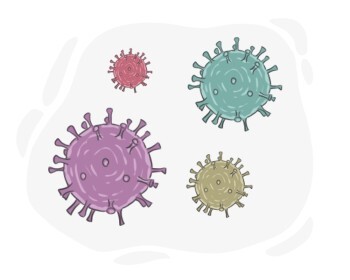
virus [noun]

a microscopic agent that causes disease in people, animals, and plants

Ex: The doctor said it was a virus , so antibiotics would n't help .