Total English - Intermediate - Unit 4 - Reference - Part 2

Here you will find the vocabulary from Unit 4 - Reference - Part 2 in the Total English Intermediate coursebook, such as "tolerant", "bargain", "fare", etc.

review-disable

review

flashcard-disable

flashcard

spelling-disable

spelling

quiz-disable

quiz

start-learning
Total English - Intermediate
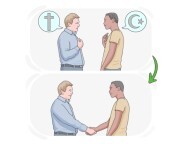
tolerant [adjective]

showing respect to what other people say or do even when one disagrees with them

Ex: The tolerant coworker listened attentively to their colleague 's ideas , even if they had opposing viewpoints , fostering collaboration and mutual respect .

to be able to pay the cost of something
Ex: Individuals are affording education through various financial planning strategies .
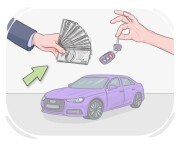
bargain [noun]

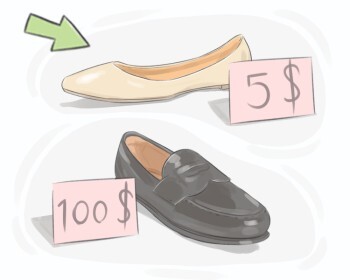
an item bought at a much lower price than usual
Ex: Bargains like these are hard to come by in high-end stores .
cash [noun]

money in bills or coins, rather than checks, credit, etc.
Ex: She paid for the groceries in cash .
ticket [noun]

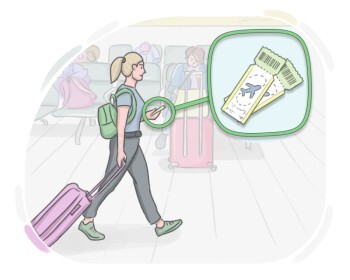
a piece of paper or card that shows you can do or get something, like ride on a bus or attend an event
Ex: The flight attendant scanned my electronic ticket before I boarded the plane .
cheap [adjective]

having a low price

Ex: The hotel room was cheap , but it lacked amenities .
checkout [noun]

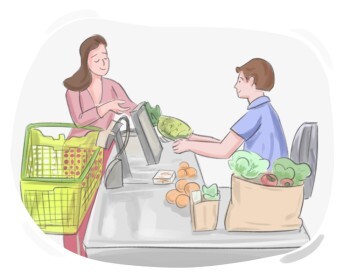
a place in a supermarket where people pay for the goods they buy
Ex: As I reached the checkout , I realized I had forgotten to grab a carton of milk from the dairy section .

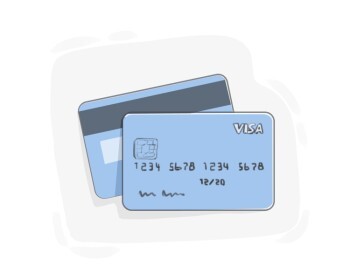
a plastic card, usually given to us by a bank, that we use to pay for goods and services
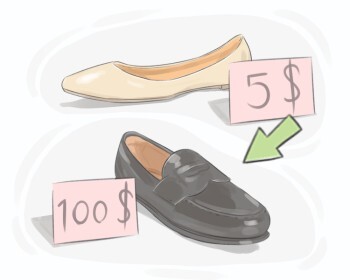
Ex: I use my credit card mostly for online purchases .
expensive [adjective]

having a high price

Ex: The restaurant had expensive prices , but the food was delicious .
impulse [noun]

a sudden strong urge or desire to do something, often without thinking or planning beforehand

Ex: The sudden impulse to travel led them to book a last-minute flight .
price [noun]

the amount of money required for buying something
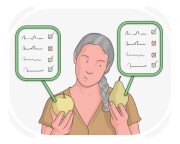
Ex: She negotiated the price of the antique vase .

the process of examining the similarities and differences between two or more things or people
Ex: In his essay , he drew a comparison between classical and modern art , emphasizing their shared focus on human expression .
website [noun]

a group of related data on the Internet with the same domain name published by a specific individual, organization, etc.
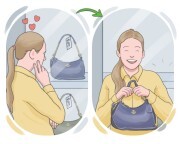
Ex: The website allows users to connect with others who share similar interests .

to get goods or services in exchange for money or other forms of payment
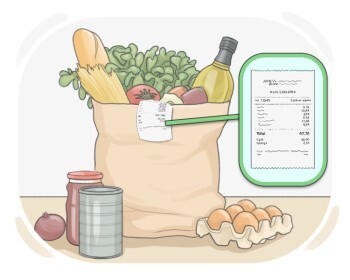
Ex: The company decided to purchase new equipment to improve its manufacturing processes .
receipt [noun]

a written or printed document that shows the payment for a set of goods or services has been made
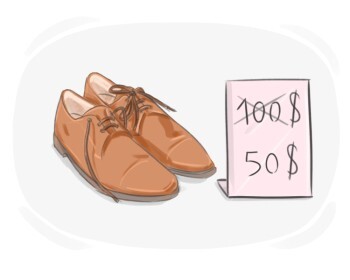
Ex: She checked the receipt to make sure she was charged correctly .
reduced [adjective]

lower than usual or expected in amount or quantity

Ex: After the renovation , the office space had a reduced energy consumption thanks to the new , more efficient lighting .
refund [noun]

an amount of money that is paid back because of returning goods to a store or one is not satisfied with the goods or services
Ex: After returning the damaged item , he got a refund to his credit card .
to save [verb]

to keep money to spend later

Ex: I 've saved enough to cover my emergency fund .
to spend [verb]

to use money as a payment for services, goods, etc.
Ex:

to compare the prices or quality of goods or services from different suppliers or stores before making a purchase
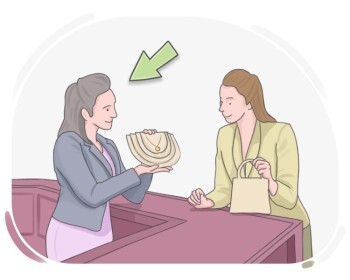
Ex: The team is actively shopping around for a new supplier for raw materials .
sale [noun]

the act of selling something

Ex: The sale of the old car gave him enough money to buy a new bike .
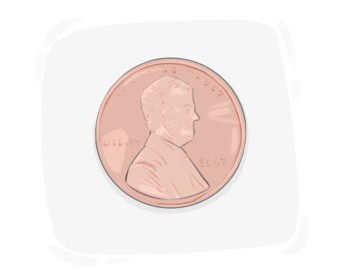
coin [noun]

a piece of metal, typically round and flat, used as money, issued by governments
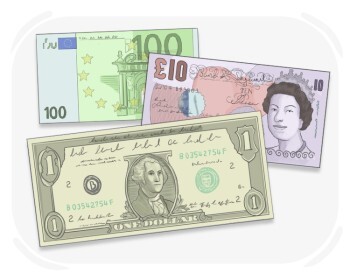
Ex: Each country has its own unique designs on their coins , reflecting its culture and history .
note [noun]

paper money issued by a government or financial institution that is used to buy goods and services
Ex: The bank issued a new series of notes with enhanced security features .
fare [noun]

the amount of money we pay to travel with a bus, taxi, plane, etc.
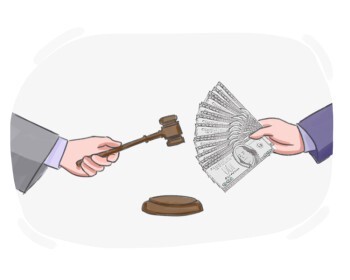
Ex: The airline offers lower fares for early morning flights .
fine [noun]

an amount of money that must be paid as a legal punishment

Ex: The fine for parking in a disabled parking spot without a permit is significant .
fun [adjective]

providing entertainment or amusement

Ex: Going for a hike in the mountains can be a fun adventure .
funny [adjective]

able to make people laugh

Ex: I read a funny comic strip in the newspaper this morning .
to lend [verb]

to give someone something, like money, expecting them to give it back after a while
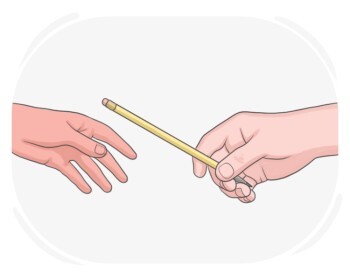
Ex: The library is happy to lend books to its members for a set period .

to use or take something belonging to someone else, with the idea of returning it
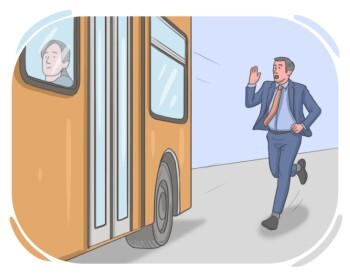
Ex: He asked to borrow a pen from his classmate during the exam .
to miss [verb]

to fail to catch a bus, airplane, etc.

Ex: She missed the school bus because she forgot her backpack .
to lose [verb]

to be deprived of or stop having someone or something
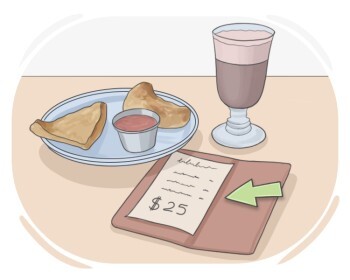
Ex: She began to lose interest in the project as it became more complicated .
bill [noun]

a piece of printed paper that shows the amount of money a person has to pay for goods or services received
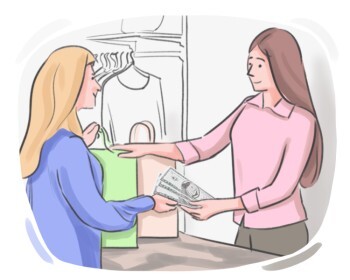
Ex: He left a generous tip with the bill before leaving the restaurant .
change [noun]

the money that is returned to us when we have paid more than the actual cost of something
Ex: The store clerk apologized for the inconvenience and promptly provided me with the correct change after realizing they had overcharged me for the item .

to bring a type of information from the past to our mind again
Ex: I remember the smell of freshly baked cookies in my grandmother 's kitchen .

to make a person remember an obligation, task, etc. so that they do not forget to do it
Ex: Last week , she reminded the team about the important client meeting .
to rob [verb]

to take something from an organization, place, etc. without their consent, or with force

Ex: The security guard prevented a thief from robbing the jewelry store .
to steal [verb]

to take something from someone or somewhere without permission or paying for it

Ex: The thief has stolen several cars in the past month .