
Arts and Crafts - Art Movements: 1946-1999
Here you will learn some English words related to art movements during 1946-1999 such as "pop art", "hyperrealism", and "neo-dada".
Review
Flashcards
Spelling
Quiz

a modern art movement originated in New York in which an artist expresses subjective feelings in abstract forms rather than external objects or figures

an Italian art movement active in the late 20th century, which sought to create art from everyday, found materials
a group of American writers active in the mid-20th century who sought to challenge the conventions of literature and create a more experimental style
a group of American artists active in the late 20th century who sought to challenge the conventions of abstract expressionism and create a more humorous and irreverent style
an avant-garde art movement founded in 1948 that combined elements of expressionism, surrealism, and abstract art and emphasized spontaneity and the subconscious
an abstract art movement in which large fields of color are used to create a sense of immersion, stillness and calm
an American art movement active in the mid-20th century, which sought to create abstract paintings through the use of geometric shapes and flat, bold colors
a modern art form that depends on motion to produce the desired effect
an art movement active in the mid-20th century, which sought to challenge the conventions of traditional art and create a more experimental style
an artistic movement active in the mid-20th century, which sought to create art from everyday, found objects
an art movement that uses visual illusions and patterns to create the illusion of movement, depth, and changing form
art created by those outside of the mainstream art world, often self-taught artists with no formal training
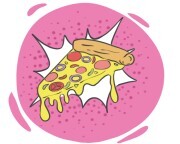
an art movement emerging from the United Kingdom during the 1960s that was based on mass media and popular culture, using elements of commercials, comic books, etc. as a way to challenge the traditions of the fine arts
an art movement of the 1960s that reacted against abstract expressionism by rejecting gestural brushwork in favor of smooth, evenly painted surfaces with hard-edged geometrical shapes and drips of color
art movement that focuses on documenting the artistic process itself, rather than producing an end product
art created for a publicly accessible space and intended to reach a wide audience, often site-specific pieces incorporating the surrounding environment
an anarchist and Marxist political and artistic movement that existed from 1957 to 1972 and aimed to transform culture through creative activity and the construction of situations
an artistic style popular in the late 20th century, characterized by its use of existing artwork, objects, and images to create new works
an artistic style popular in the late 20th century, characterized by its use of the body as a medium and its exploration of the relationship between the body and the self

art in which the concept presented is considered as the most important part not the form or appearance
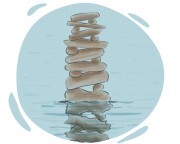
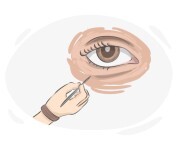
a genre of art that is marked by a high-resolution representation of real life pictures
an artistic style popular in the late 20th and early 21st centuries, characterized by its use of digital technologies and the Internet to create art
an artistic style popular in the mid-20th century, characterized by its use of expressive brushstrokes and bright colors to create a sense of emotion and movement
an artistic style popular in the late 20th century, characterized by its use of the postal system to create art and its exploration of the relationship between art and communication
an artistic style popular in the late 20th century, characterized by its use of bold colors and textures to create a sense of abundance and energy
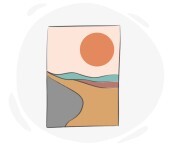
a style of art, music, or design that arose in the 1950s and is associated with simplicity and uses only a limited number of elements
an artistic style popular in the late 20th century, characterized by its use of vivid colors and expressive brushstrokes to capture the human experience
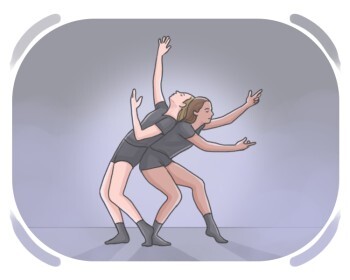
a modern type of art in which the artist and the audience are engaged in dramatic performance, often with political or social themes
an artistic style popular in the late 20th century, characterized by its use of simple forms, bright colors, and everyday objects to explore the relationship between art and life
a movement and style in art, literature, architecture, etc. in the 20th century, which reacted against modernism and is usually marked by a return to earlier styles and inclusion of features from various periods
a style of art in which the artist studies a photograph and tries to recreate it in another medium as accurate and natural as possible
an artistic style popular in the mid-20th century, characterized by its use of bright colors and abstract forms to explore altered states of consciousness
an artistic style popular in the late 20th century, characterized by its use of a particular location and its exploration of the relationship between art and its environment
