
Adverbs of Time and Place - Adverbs of Relative Time
These adverbs provide information about the time when something happened in relation to an event or a specified time, such as "late", "early", "on time", etc.
Review
Flashcards
Spelling
Quiz

late
[Adverb]
after the typical or expected time
Ex: He arrived late to the concert and missed the first song.
Close
Sign inClose
Sign in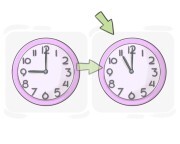
later
[Adverb]
at a time following the current or mentioned moment, without specifying exactly when
Ex: He asked me to return his call later.
Close
Sign in
later on
[Adverb]
after the time mentioned or in the future
Ex: I'll finish the task later on, after I take a break.
Close
Sign in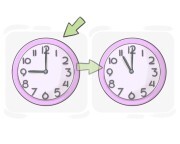

priorly
[Adverb]
at an earlier time or point
Ex: The information was discussed priorly in the morning meeting.
Close
Sign in
Close
Sign in
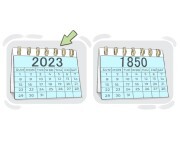
early on
[Adverb]
at the beginning or in the initial stages of a process, event, or period
Ex: She identified the problem early on in the project.
Close
Sign inClose
Sign in
on time
[Adverb]
exactly at the specified time, neither late nor early
Ex: He completes his tasks on time without any reminders.
Close
Sign in
ahead of time
[phrase]
before the scheduled or expected time
Ex: She finished the project ahead of time.
Close
Sign inprematurely
[Adverb]
before the expected, appropriate, or natural time
Ex: The project was completed prematurely, leading to unforeseen issues.
Close
Sign in
thereafter
[Adverb]
from a particular time onward
Ex: He graduated from college, and thereafter, he started his career.
Close
Sign in
posthumously
[Adverb]
after the death of the person to whom something is related
Ex: The author's latest novel was published posthumously.
Close
Sign in

Download LanGeek app