
Vocabulary for IELTS General Training (Band 6-7) - Encouragement and Discouragement

Here, you will learn some English words related to Encouragement and Discouragement that are necessary for the General Training IELTS exam.

review-disable

review

flashcard-disable

flashcard

spelling-disable

spelling

quiz-disable

quiz

start-learning
Vocabulary for IELTS General Training (Band 6-7)

to influence someone to do something by making it seem interesting or pleasant

Ex: The chef seduced the crowd with a tantalizing description of his new dish .
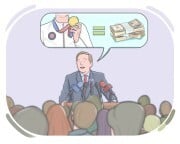
to encourage someone to do or say something

Ex: The coach prompted the team to give their best effort .

to convince or influence someone to take a particular action

Ex: He prevailed upon his colleagues to support the new initiative .

to influence someone to do something particular

Ex: Her persuasive personality has been inducing people to participate in community projects for years .

to try to change someone's opinion on something and gain their favor or support

Ex: The company ’s generous refund policy won over skeptical customers .
to tempt [verb]

to make someone do something that seems interesting, despite them knowing it might be wrong or not good for them

Ex: The allure of easy money tempted him to participate in the risky investment scheme .

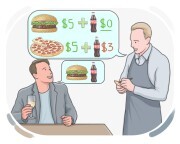
to convince someone to do something they do not want to do

Ex:
to charm [verb]

to employ one's likable qualities or appeal in order to influence someone

Ex: She charmed her way into the job interview by flashing a warm smile .

to control someone's thoughts, actions, or feelings and make them believe or do certain things through tricks or force

Ex: The teenager rebelled against attempts to brainwash her into conforming to societal expectations .

to persuade and convince a person to do something

Ex: He tried to prevail on his parents to let him go on the trip .

to deceive or trick someone into doing something by using clever and tricky methods

Ex: The con artist had beguiled numerous people before finally being caught by the authorities .
to deter [verb]

to stop something from happening

Ex: The teacher 's strict rules are meant to deter cheating during exams .

to make someone not to do something

Ex: The campaign aims to dissuade youth from experimenting with drugs .

to cause someone to lose courage, enthusiasm, or hope

Ex: Criticism from her peers disheartens her , but she perseveres .

to make someone feel sad or less hopeful by weakening their confidence, mood, etc.

Ex: Constant failures demoralized the team , but they eventually bounced back .

to cause someone to feel discouraged and less motivated

Ex: Failing the exam briefly dispirited her , but she resolved to study harder .

to force or discourage someone from doing something through the use of threats or fear

Ex: The strict dress code was enforced to intimidate students into adhering to school rules .

to make someone feel uneasy or anxious, disrupting their usual calm or confidence

Ex: The persistent failures were unnerving the athlete , affecting their performance .
to urge [verb]

to persistently try to motivate or support someone, particularly to pursue their goals

Ex: In times of doubt , his family always urged him to believe in himself and his abilities .

to publicly support or recommend something

Ex: The organization advocates for mental health awareness , working to reduce stigma .
to draw [verb]

to lead or attract someone toward a specific place, situation, or course of action, often by exerting an appealing force or influence

Ex: The intriguing storyline of the book draws readers into the captivating world of fiction .

to no longer believe in someone showing any positive development in their behavior, relationship, etc.

Ex: He was going through a tough phase , but his family refused to give up on him .
Vocabulary for IELTS General Training (Band 6-7)
Size and Scale Dimensions Weight and Steadiness Increase in Amount
Decrease in Amount Intensity Time and Duration Space and Area
Shapes Speed Significance Insignificance
Strength and Influence Uniqueness Commonness Complexity
High Quality Low Quality Value Challenges
Wealth and Success Poverty and Failure Age and Appearance Body Shape
Wellness Intellectual Capability Intellectual Incapability Positive Human Traits
Negative Human Traits Moral Traits Financial Behaviours Social Behaviours
Short-tempered Traits Positive Emotional Responses Negative Emotional Responses Positive Emotional States
Negative Emotional States Tastes and Smells Textures Sounds
Temperature Probability Attempt and Prevention Opinions
Thoughts and Decisions Encouragement and Discouragement Knowledge and Information Request and Suggestion
Respect and Approval Regret and Sadness Relational Actions Physical Actions and Reactions
Body Language and Gestures Postures and Positions Movements Commanding and Giving Permissions
Engaging in Verbal Communication Understanding and Learning Perceiving The Senses Predicting
Touching and Holding Eating and Drinking Preparing Food Changing and Forming
Creating and Producing Organising and Collecting Hobbies and Routines Shopping
Finance and Currency Workplace Office Life Specialised Careers
Manual Labour Careers Service and Support Careers Creative and Artistic Careers House
Human Body Health Sports Sports Competitions
Transportation Society Social Events Animals
City Parts Food and Drinks Friendship and Enmity Gender and Sexuality
Family Relationship Styles Romantic Relationships Positive Emotions
Negative Emotions Travel and Tourism Migration Materials
Pollution Disasters Adverbs of Comment and Certainty Adverbs of Manner
Weather Adverbs of Degree Adverbs of Time and Frequency Adverbs of Purpose and Emphasis
Conjunctive Adverbs