
Vocabulary for IELTS General Training (Band 6-7) - Temperature
Here, you will learn some English words related to Temperature that are necessary for the General Training IELTS exam.
Review
Flashcards
Spelling
Quiz


frosty
[Adjective]
(of the weather) having extremely cold temperatures that cause thin layers of ice to form on surfaces
Ex: They bundled up in warm coats and scarves to brave the frosty morning air.
Close
Sign in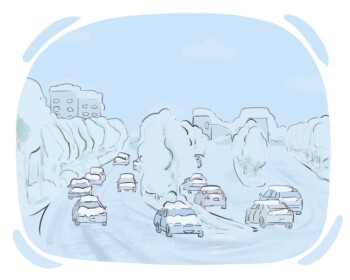
frigid
[Adjective]
extremely cold in temperature, often causing discomfort or numbness
Ex: The frigid winter air made every breath feel like a frosty exhale.
Close
Sign in
icy-cold
[Adjective]
having a temperature reminiscent of ice
Ex: The icy-cold lake was stunning but too frigid for swimming.
Close
Sign inbrisk
[Adjective]
having a sharp, refreshing coolness in the air
Ex: The brisk morning air energized her as she walked to work.
Close
Sign inpolar
[Adjective]
extremely cold, icy, or characteristic of the Arctic or Antarctic regions
Ex: The wind brought a polar chill, making the entire city feel like an icebox.
Close
Sign inbone-chilling
[Adjective]
causing a feeling of extreme cold
Ex: The bone-chilling wind made it impossible to stay outside for long.
Close
Sign in
wintry
[Adjective]
exhibiting characteristics typical of winter, often referring to cold and chilly conditions
Ex: The wintry wind cut through their jackets, making the walk home a chilly experience.
Close
Sign in
sub-zero
[Adjective]
having below zero degrees Celsius or Fahrenheit
Ex: The Antarctic winter brings sub-zero temperatures that challenge even the most prepared researchers.
Close
Sign in
stifling
[Adjective]
(of weather) uncomfortably hot and lacking air circulation
Ex: The stifling heat made it hard to breathe.
Close
Sign insteaming
[Adjective]
heated to the point of creating visible vapor
Ex: The steaming bowl of soup was a welcome comfort on the cold winter evening.
Close
Sign in

Download LanGeek app