
Clothes and Fashion - Traditional Clothes
Here you will learn the name of different traditional clothes in English, such as "kimono", "jilbab" and "sari".
Review
Flashcards
Spelling
Quiz
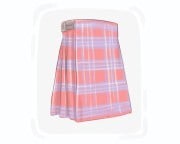
a knee-length woolen skirt in tartan pattern traditionally worn by Scottish men, and more recently women in the Highlands

a long and loose robe with wide sleeves that is fastened with a sash, originally worn on formal occasions in Japan

a traditional garment worn by women in South Asia, consisting of a long piece of fabric draped around the body

traditional folk costume or dress that is typically worn in certain regions or cultures in German-speaking countries, such as Germany, Austria, and Switzerland

a long piece of cloth traditionally worn over the shoulder as part of Scottish Highland dress

a traditional blouse worn by women in various Southeast Asian countries, typically made of sheer fabric and often featuring intricate embroidery or lace details

a traditional Filipino dress consisting of a blouse (baro) and a skirt (saya) usually worn by women

a loose garment that covers the body from head to toe, except the eyes, worn by some Muslim women

a long and loose piece of outer garment that covers the whole body, except for the hands, face and feet, worn by some Muslim women
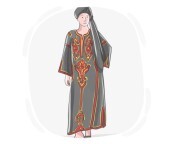
a traditional loose-fitting, ankle-length robe or tunic worn in many countries in the Middle East and North Africa

a woman's dress styled after the traditional cloaks worn by men in the Near East


a traditional long coat-like garment, typically worn by men in South Asia, especially during formal occasions or weddings

a traditional South Asian women's garment, consisting of a flared skirt worn over a fitted underskirt, typically paired with a matching blouse or kurta

a type of pants worn in South Asia, which are tight-fitting and have folds of excess fabric, called "churis," gathered near the ankle
a traditional Indian garment, similar to a knee-length coat, often worn for formal occasions

a traditional Indian skirt, typically worn with a matching blouse and dupatta (scarf), often worn at weddings and festive occasions


a pair of loose-fitting pajama-like pants, typically worn by women in South and Central Asia, which tapers to a narrow fit around the ankles

a traditional embroidered blouse or tunic worn by indigenous women in many regions of Central America, often featuring vibrant colors and intricate designs
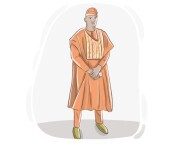
a loose, colorful garment worn in West Africa, often consisting of a long gown or caftan worn by both men and women for various occasions
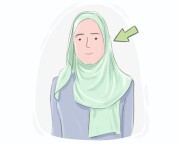
a religious piece of clothing, worn by some Muslim women in public, covering the head and neck

a long piece of fabric wrapped around the body and knotted around the waist or armpits, originally worn by men or women in Malaysia and Indonesia

a traditional North African garment, typically a long, loose-fitting robe worn by men and women over other clothing
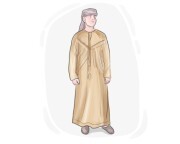
a loose, ankle-length robe-like garment traditionally worn by men in the Middle East for modesty or religious reasons


a Southern African garment made from animal hides or furs, used as a cloak or blanket for warmth and protection by indigenous peoples in the region
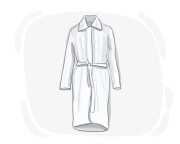
a knee-length, white robe-like garment worn by Jewish men during religious ceremonies or special occasions

a type of shawl worn as a garment, typically made of wool and often decorated with stripes or other patterns
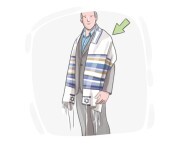
a type of traditional clothing consisting of a loincloth or short pants with a front flap

a traditional piece of clothing worn by Muslim women that covers the face and is often made of light fabric


| Clothes and Fashion | |||
|---|---|---|---|
| Describing Clothes | The World of Fashion | Making Clothes | Traditional Clothes |
| Historical Clothes | Taking Care of Clothes | Nouns Relating to Clothing | Verbs Relating to Clothing |
