pattern

Key Scientists Vocabulary - Alexander Fleming

Review

Flashcards

Forms

Spelling

Quiz

Start learning
Key Scientists Vocabulary
Scotland
Scotland
[noun]

a European country in the northern United Kingdom
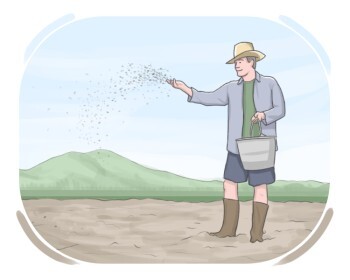
Ex: Scotland is known for its breathtaking landscapes, including the Highlands and numerous lochs. 
Close
Sign in
farmer
farmer
[noun]

someone who has a farm or manages a farm
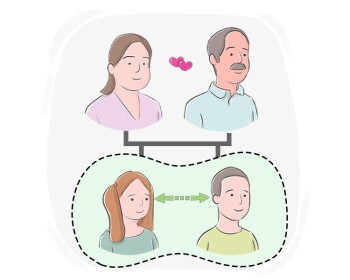
Ex: He's a farmer known for his juicy watermelons. 
Close
Sign in
sibling
sibling
[noun]

one's brother or sister

Ex: She has a close relationship with her sibling and talks to her every day. 
Close
Sign in
to move
to move
[Verb]

to change one's place of residence or work
Ex: He is moving to a different country to pursue his career. 
Close
Sign in
to decide
to decide
[Verb]

to think carefully about different things and choose one of them
Ex: He had to decide whether to accept the job offer. 
Close
Sign in
to become
to become
[Verb]

to start or grow to be

Ex: He's training to become a pilot at a flight school. 
Close
Sign in
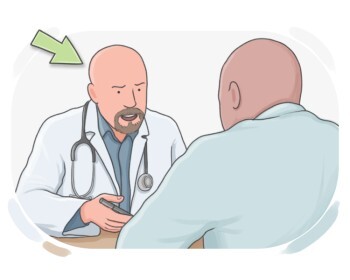
doctor
doctor
[noun]

someone who has studied medicine and treats sick or injured people
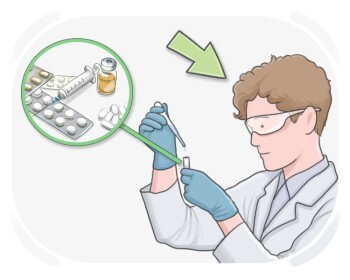
Ex: I want to become a doctor so I can take care of people's health. 
Close
Sign in
medicine
medicine
[noun]

the field of science that is concerned with treating injuries and diseases

Ex: After years of rigorous study, she graduated from medical school and was excited to begin her career in medicine, helping patients recover from illnesses. 
Close
Sign in
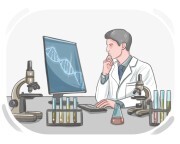
researcher

someone who studies a subject carefully and carries out academic or scientific research
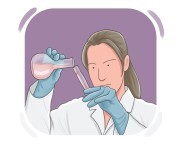
Ex: A researcher must be thorough and patient in their work. 
Close
Sign in
discovery
discovery
[noun]

the act of finding something for the first time and before others

Ex: The discovery of penicillin revolutionized medicine by introducing the first antibiotic. 
Close
Sign in
penicillin

any of variation of antibiotics obtained from Penicillium moulds and used to treat or prevent a wide range of bacterial infections
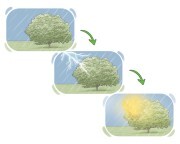
Ex: Penicillin is commonly prescribed for bacterial infections. 
Close
Sign in
to happen
to happen
[Verb]

to come into existence by chance or as a consequence

Ex: An unexpected storm can happen at any time of year. 
Close
Sign in
by accident
by accident
[Adverb]

without any intention or planning

Ex: She broke the vase by accident while cleaning the shelf. 
Close
Sign in
laboratory

a place where people do scientific experiments, manufacture drugs, etc.
Ex: The chemistry students conducted experiments in the laboratory to study chemical reactions. 
Close
Sign in
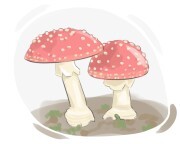
fungus
fungus
[noun]

a plant-like organism that often grows on organic matter and has no flowers or leaves, such as moulds and mushrooms
Ex: They discovered a new species of fungus in the rainforest that glows in the dark. 
Close
Sign in
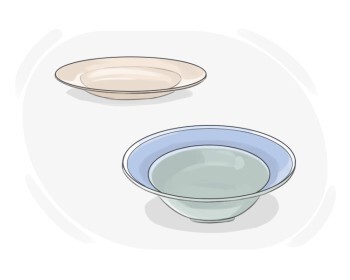
dish
dish
[noun]

a flat, shallow container for cooking food in or serving it from
Ex: I cooked the lasagna in a large baking dish. 
Close
Sign in
to kill
to kill
[Verb]

to end the life of someone or something

Ex: The hunter aimed carefully to kill the deer for food. 
Close
Sign in
bacteria
bacteria
[noun]

(microbiology) single-celled microorganisms that can be found in various environments, including soil, water, and living organisms, and can be beneficial, harmful, or neutral
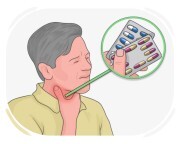
Ex: Bacteria play a crucial role in the decomposition of organic matter in the ecosystem. 
Close
Sign in
antibiotic

a medicine that kills or stops the growth of bacteria
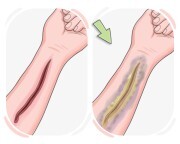
Ex: The doctor prescribed an antibiotic for the infection. 
Close
Sign in
infection
infection
[noun]

a condition in which harmful germs, such as bacteria or viruses, invade the body and cause harm, leading to symptoms such as fever, pain, and swelling
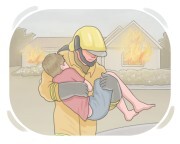
Ex: He was diagnosed with a bacterial infection in his lungs. 
Close
Sign in
to save
to save
[Verb]

to keep someone or something safe and away from harm, death, etc.

Ex: Lifeguards work tirelessly to save swimmers in distress. 
Close
Sign in
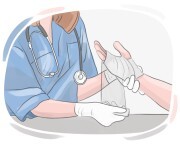
World War II

the war that took place from the year 1939 to 1945 between the axis and the allies
Close
Sign in
to treat
to treat
[Verb]

to provide medical care such as medicine or therapy to heal injuries, illnesses, or wounds and make someone better
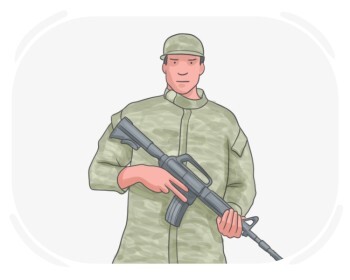
Ex: First aid is administered to treat minor injuries and wounds. 
Close
Sign in
soldier
soldier
[noun]

someone who serves in an army, particularly a person who is not an officer
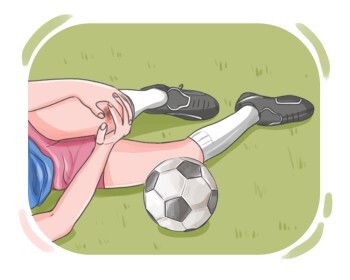
Ex: Every soldier must undergo rigorous training. 
Close
Sign in
injury
injury
[noun]

any physical damage to a part of the body caused by an accident or attack
Ex: After the attack, she had a serious head injury. 
Close
Sign in
scientist
scientist
[noun]

someone whose job or education is about science

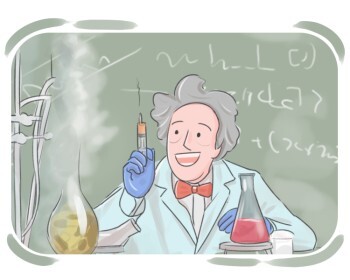
Ex: As a scientist, he spends a lot of time in the lab. 
Close
Sign in
award
award
[noun]

a prize or money given to a person for their great performance

Ex: She received a lifetime achievement award for her work in cinema. 
Close
Sign in
nobel prize

an annual award for outstanding contributions to chemistry or physics or physiology and medicine or literature or economics or peace
Close
Sign in
curious
curious
[Adjective]

(of a person) interested in learning and knowing about things

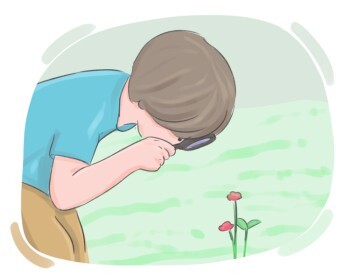
Ex: She's so curious; she always asks questions and loves to explore new topics. 
Close
Sign in
to explore

to investigate something to gain knowledge or understanding about it

Ex: The researchers explored the effects of climate change on local ecosystems, conducting experiments to gather data and analyze their findings. 
Close
Sign in
laboratory

a place where people do scientific experiments, manufacture drugs, etc.
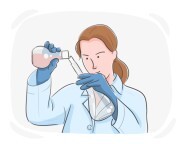
Ex: The chemistry students conducted experiments in the laboratory to study chemical reactions. 
Close
Sign in
experiment

a test done to prove the truthfulness of a hypothesis
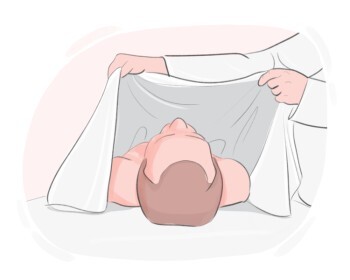
Ex: The scientists conducted an experiment to test their new hypothesis. 
Close
Sign in
to die
to die
[Verb]

to no longer be alive

Ex: Unfortunately, her pet fish died after being in poor health for a week. 
Close
Sign in
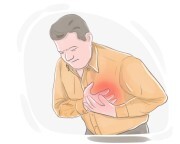
heart attack

a medical emergency that happens when blood flow to the heart is suddenly blocked, which is fatal in some cases
Ex: He felt a sharp pain in his chest and was rushed to the hospital with a suspected heart attack. 
Close
Sign in
important
important
[Adjective]

having a lot of value

Ex: Conserving water is important for the sustainable use of natural resources. 
Close
Sign in
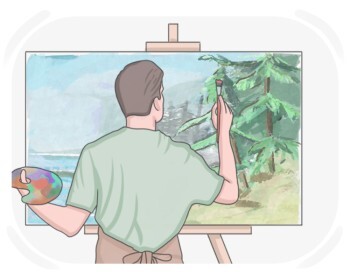
to paint
to paint
[Verb]

to produce a picture or design with paint
Ex: She painted a beautiful landscape of the countryside. 
Close
Sign in
to place
to place
[Verb]

to lay or put something somewhere

Ex: She decided to place the vase of flowers on the dining table as a centerpiece. 
Close
Sign in
colorful
colorful
[Adjective]

having a lot of different and often bright colors

Ex: The art gallery displayed a collection of colorful paintings and sculptures. 
Close
Sign in
LanGeek
Download LanGeek app