pattern

500 nejčastějších anglických sloves - Top 476 - 500 Sloves

Zde vám je poskytnuta část 20 seznamu nejčastějších sloves v angličtině, jako jsou "obtěžovat", "pronásledovat" a "plavat".

Revize

Kartičky

Pravopis

Kvíz
Začněte se učit
Most Common Verbs in English Vocabulary
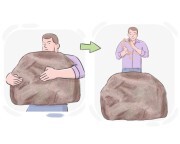
to overcome
to overcome
[sloveso]

to successfully deal with or gain control over a difficulty, obstacle, or problem
Ex: Having overcome his initial doubts, Daniel decided to accept the job. 
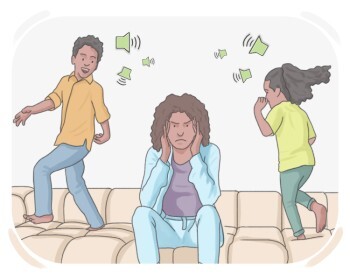
to bother
to bother
[sloveso]

to annoy or trouble someone, especially when they are busy or want to be left alone

obtěžovat,rušit

obtěžovat,rušit

Ex: Let me know if I'm bothering you, and I'll leave you alone. 

Dejte mi vědět, pokud vás obtěžuji, a nechám vás na pokoji.
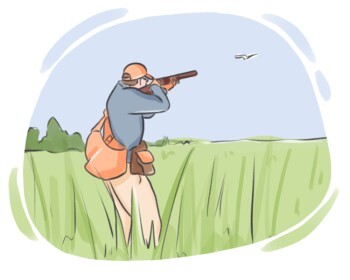
to hunt
to hunt
[sloveso]

to pursue wild animals in order to kill or catch them, for sport or food

lovit,pronásledovat

lovit,pronásledovat

Ex: In some cultures, people still hunt for their food using traditional methods. 

V některých kulturách lidé stále loví svou potravu pomocí tradičních metod.

to complain
to complain
[sloveso]

to express your annoyance, unhappiness, or dissatisfaction about something

stěžovat si,reptat

stěžovat si,reptat

Ex: Emily likes to complain about the long commute to work every morning. 

Emily ráda stěžuje na dlouhou cestu do práce každé ráno.
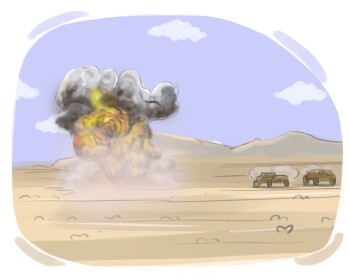
to explode
to explode
[sloveso]

to burst apart violently and usually with a loud noise

explodovat,vybuchnout
explodovat,vybuchnout

Ex: The boiler had exploded before firefighters arrived. 
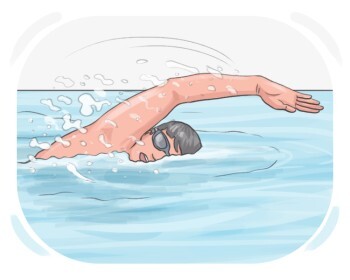
to swim
to swim
[sloveso]

to move through water by moving the arms and legs or, in animals, other parts of the body

plavat, plavat se

plavat, plavat se

Ex: The fish swam quickly toward deeper water. 
to collapse
to collapse
[sloveso]

(of a building or structure) to fall down suddenly because of damage or weakness
Ex: Engineers warned that the damaged wall could collapse at any moment. 
to honor
to honor
[sloveso]

to show a lot of respect for someone or something

ctít,projevovat úctu

ctít,projevovat úctu

Ex: Families may honor their heritage by preserving and passing down cultural traditions. 

Rodiny mohou ctít své dědictví tím, že zachovávají a předávají kulturní tradice.
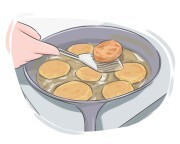
to fry
to fry
[sloveso]

to cook food in hot oil or fat

smažit

smažit

Ex: Daniel usually fries fish in a shallow pan. 
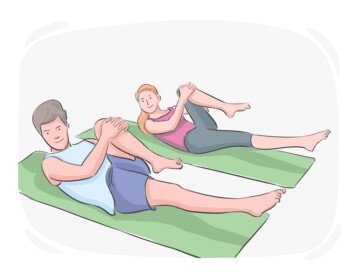
to exercise
to exercise
[sloveso]

to do physical activities or sports to stay healthy and become stronger

cvičit,trénovat
cvičit,trénovat

Ex: I exercise three times a week. 
to infect
to infect
[sloveso]

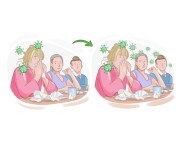
to transmit a disease to a person, animal, or plant

nakazit,infikovat

nakazit,infikovat

Ex: Contaminated water sources can infect individuals with waterborne diseases. 

Kontaminované vodní zdroje mohou infikovat jedince vodou přenášenými nemocemi.
to delete
to delete
[sloveso]

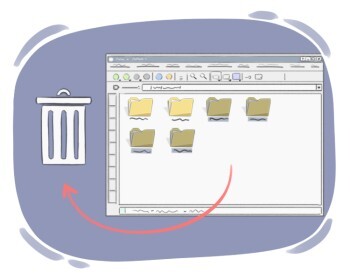
to remove data, files, or other stored information from a computer or electronic device

Ex: The administrator deleted several outdated records from the database. 
to negotiate
to negotiate
[sloveso]

to discuss the terms of an agreement or try to reach one

vyjednávat,jednat

vyjednávat,jednat

Ex: The two companies are negotiating a new contract. 
to attend
to attend
[sloveso]

to be present at a meeting, event, conference, etc.

zúčastnit se,být přítomen

zúčastnit se,být přítomen

Ex: More than two hundred people attended the conference. 
to convert
to convert
[sloveso]

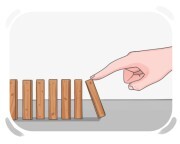
to change the form, purpose, character, etc. of something

přeměnit,konvertovat
přeměnit,konvertovat

Ex: They converted the old warehouse into apartments. 
to impact
to impact
[sloveso]

to have a strong effect on someone or something

ovlivnit,mít silný dopad na

ovlivnit,mít silný dopad na

Ex: The new environmental policies are expected to impact the way industries approach sustainability. 

Očekává se, že nové environmentální politiky ovlivní způsob, jakým průmysl přistupuje k udržitelnosti.
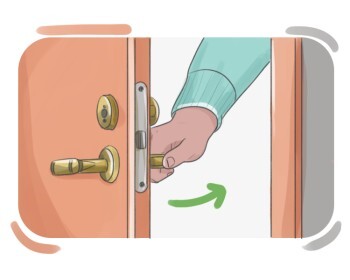
to shut
to shut
[sloveso]

to close something

zavřít,uzavřít

zavřít,uzavřít

Ex: Before going to bed, she had to shut all the windows to keep the cold air out. 

Než šla spát, musela zavřít všechna okna, aby dovnitř nepronikl studený vzduch.
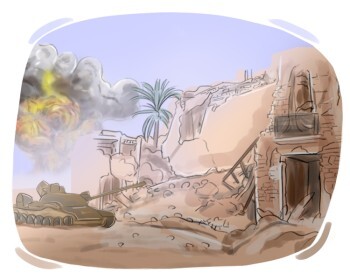
to damage
to damage
[sloveso]

to physically harm something

poškodit,poškozovat

poškodit,poškozovat

Ex: The storm's strong winds and hailstones damaged the roof of the house. 

Silné větry a kroupy bouře poškodily střechu domu.
to eliminate
to eliminate
[sloveso]

to completely remove, destroy, or get rid of something

eliminovat, odstranit

eliminovat, odstranit

Ex: Engineers have eliminated several problems with the original design. 
to accompany
to accompany
[sloveso]

to go somewhere with someone

doprovázet

doprovázet

Ex: Sarah asked John to accompany her to the concert. 

Sarah požádala Johna, aby ji doprovodil na koncert.

to guide
to guide
[sloveso]

to direct or influence someone's motivation or behavior

vést,usměrňovat

vést,usměrňovat

Ex: The teacher's advice helped to guide her students toward success. 

Učitelova rada pomohla vést její studenty k úspěchu.

to ruin
to ruin
[sloveso]

to damage or spoil something so badly that it loses much of its value, usefulness, or appeal

Ex: Too much salt will ruin the flavor of the soup. 
to demand
to demand
[sloveso]

to ask something from someone in an urgent and forceful manner

požadovat,vyžadovat

požadovat,vyžadovat

Ex: The workers decided to demand higher wages and better working conditions during the negotiations. 

Pracovníci se rozhodli požadovat vyšší mzdy a lepší pracovní podmínky během jednání.

to excuse
to excuse
[sloveso]

to forgive someone for making a mistake, etc.

omlouvat,odpouštět

omlouvat,odpouštět

Ex: Understanding the circumstances, she chose to excuse her colleague for the unintentional oversight. 

Pochopením okolností se rozhodla omluvit svého kolegu za neúmyslné přehlédnutí.
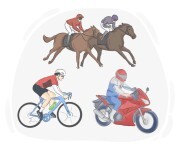
to ride
to ride
[sloveso]

to sit on open-spaced vehicles like motorcycles or bicycles and be in control of their movements

jet,řídit

jet,řídit

Ex: She rides her bike to work every day. 

Každý den jezdí do práce na kole.

LanGeek
Stáhnout aplikaci LanGeek