pattern

500 Most Common English Verbs - Top 476 - 500 Verbs

Here you are provided with the part 20 of the list of the most common verbs in English such as "bother", "haunt", and "swim".

Review

Flashcards

Forms

Spelling

Quiz
Start learning
Most Common Verbs in English Vocabulary
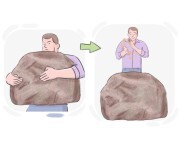
to overcome

to succeed in solving, controlling, or dealing with something difficult
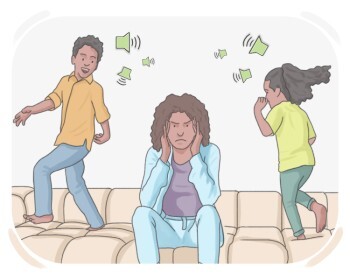
Ex: She overcame obstacles in her career by demonstrating resilience and determination. 
Close
Sign in
to bother
to bother
[Verb]

to annoy or trouble someone, especially when they are busy or want to be left alone

Ex: The constant noise from the construction site bothered residents in the neighborhood. 
Close
Sign in
to hunt
to hunt
[Verb]

to pursue wild animals in order to kill or catch them, for sport or food

Ex: In some cultures, people still hunt for their food using traditional methods. 
Close
Sign in
to complain

to express your annoyance, unhappiness, or dissatisfaction about something
Ex: Emily likes to complain about the long commute to work every morning. 
Close
Sign in
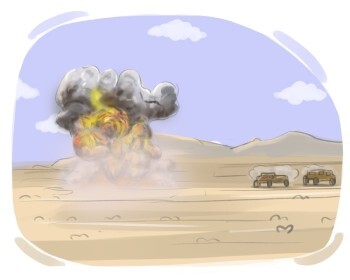
to explode

to break apart violently and noisily in a way that causes destruction

Ex: The fireworks exploded in the sky, lighting up the night. 
Close
Sign in
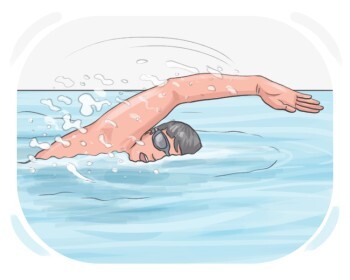
to swim
to swim
[Verb]

to move through water by moving parts of the body, typically arms and legs

Ex: My sister swims every morning before breakfast. 
Close
Sign in
to collapse

(of a construction) to fall down suddenly, particularly due to being damaged or weak

Ex: The old building collapsed after years of neglect and structural decay. 
Close
Sign in
to honor
to honor
[Verb]

to show a lot of respect for someone or something

Ex: Families may honor their heritage by preserving and passing down cultural traditions. 
Close
Sign in
to fry
to fry
[Verb]

to cook in hot oil or fat

Ex: He decided to fry the shrimp for the pasta dish. 
Close
Sign in
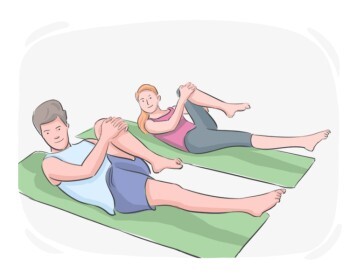
to exercise

to do physical activities or sports to stay healthy and become stronger
Ex: He doesn't exercise as much as he should. 
Close
Sign in
to infect
to infect
[Verb]

to transmit a disease to a person, animal, or plant
Ex: Contaminated water sources can infect individuals with waterborne diseases. 
Close
Sign in
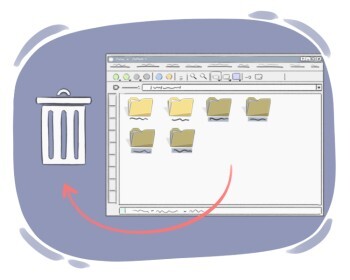
to delete
to delete
[Verb]

to remove a piece of data from a computer or smartphone

Ex: She decided to delete the old files from her computer to free up space. 
Close
Sign in
to negotiate

to discuss the terms of an agreement or try to reach one

Ex: The diplomats spent days negotiating the terms of the peace treaty between the two countries. 
Close
Sign in
to attend
to attend
[Verb]

to be present at a meeting, event, conference, etc.

Ex: Employees must attend the mandatory training session next week. 
Close
Sign in
to convert

to change the form, purpose, character, etc. of something

Ex: She decided to convert the spare room into a home office for remote work. 
Close
Sign in
to impact
to impact
[Verb]

to have a strong effect on someone or something
Ex: The new environmental policies are expected to impact the way industries approach sustainability. 
Close
Sign in
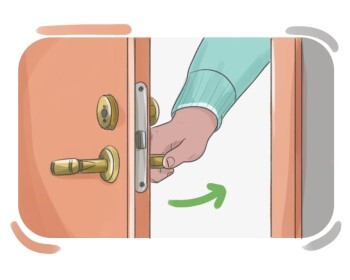
to shut
to shut
[Verb]

to close something

Ex: Before going to bed, she had to shut all the windows to keep the cold air out. 
Close
Sign in
to damage
to damage
[Verb]

to physically harm something

Ex: The storm's strong winds and hailstones damaged the roof of the house. 
Close
Sign in
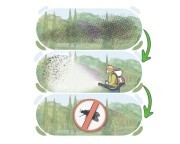
to eliminate

to fully remove or get rid of something

Ex: The exterminator worked to eliminate the infestation of pests in the house. 
Close
Sign in
to accompany

to go somewhere with someone

Ex: Sarah asked John to accompany her to the concert. 
Close
Sign in
to guide
to guide
[Verb]

to direct or influence someone's motivation or behavior

Ex: The teacher's advice helped to guide her students toward success. 
Close
Sign in
to ruin
to ruin
[Verb]

to cause severe damage or harm to something, usually in a way that is beyond repair

Ex: The flood had the power to ruin the foundation of the house. 
Close
Sign in
to demand
to demand
[Verb]

to ask something from someone in an urgent and forceful manner

Ex: The workers decided to demand higher wages and better working conditions during the negotiations. 
Close
Sign in
to excuse
to excuse
[Verb]

to forgive someone for making a mistake, etc.

Ex: Understanding the circumstances, she chose to excuse her colleague for the unintentional oversight. 
Close
Sign in
to ride
to ride
[Verb]

to sit on open-spaced vehicles like motorcycles or bicycles and be in control of their movements

Ex: She rides her bike to work every day. 
Close
Sign in
LanGeek
Download LanGeek app