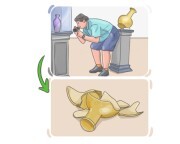
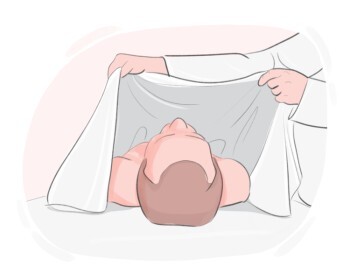
pattern

Kniha Headway - Předstředně pokročilý - Jednotka 11

Zde najdete slovní zásobu z jednotky 11 v učebnici Headway Pre-Intermediate, jako je "věčný", "opravit", "pohřeb" atd.

Revize

Kartičky

tvary

Pravopis

Kvíz

Začněte se učit
Headway - Pre-intermediate
accidentally
accidentally
[Příslovce]

by chance and without planning in advance

náhodou, nechtěně

náhodou, nechtěně

Ex: They accidentally left the door unlocked all night. 

Náhodou nechali dveře odemčené celou noc.
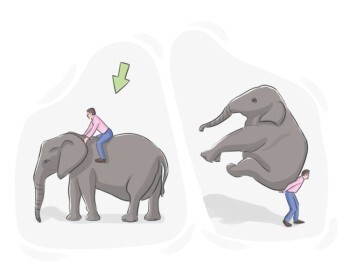
realistic
realistic
[Přídavné jméno]

concerned with or based on something that is practical and achievable in reality

realistický, praktický

realistický, praktický

Ex: Setting realistic goals helps ensure they are achievable within a reasonable timeframe. 

Stanovení realistických cílů pomáhá zajistit, že jsou dosažitelné v rozumném časovém rámci.

everlasting
everlasting
[Přídavné jméno]

continuing for an indefinite period without end

věčný, nekonečný

věčný, nekonečný

Ex: The impact of his words was everlasting, resonating with audiences for generations. 

Dopad jeho slov byl věčný, rezonující s publikem po generace.

forbidden
forbidden
[Přídavné jméno]

not permitted to be done

zakázaný, nepovolený

zakázaný, nepovolený

Ex: Exploring the forbidden forest was an exhilarating but risky endeavor for the adventurous hikers. 

Průzkum zakázaného lesa byl vzrušujícím, ale riskantním podnikem pro dobrodružné turisty.
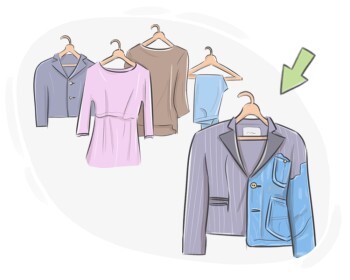
unusual
unusual
[Přídavné jméno]

not commonly happening or done

neobvyklý, málo obvyklý

neobvyklý, málo obvyklý

Ex: His quiet behavior at the party was unusual. 

Jeho klidné chování na večírku bylo neobvyklé.
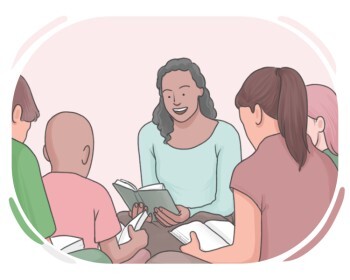
story
story
[Podstatné jméno]

a description of events and people either real or imaginary

příběh, vyprávění
příběh, vyprávění

Ex: He's a journalist known for his in-depth stories about political events. 
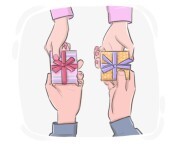
to exchange
to exchange
[sloveso]

to give something to someone and receive something else from them

vyměnit, prohodit

vyměnit, prohodit

Ex: We exchanged phone numbers before leaving. 
to expect
to expect
[sloveso]

to be pregnant and awaiting the birth of a child

očekávat dítě, být těhotná
očekávat dítě, být těhotná

Ex: She just announced she's expecting in May. 
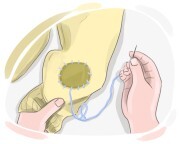
to mend
to mend
[sloveso]

to fix something that is damaged or broken so it can work or be used again

opravit, spravit

opravit, spravit

Ex: The carpenter will mend the cracked wooden door by reinforcing it with additional support. 

Tesař opraví prasklé dřevěné dveře tím, že je zesílí dodatečnou podporou.
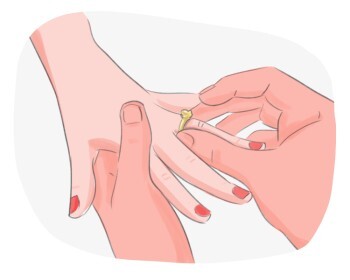
engaged
engaged
[Přídavné jméno]

having formally agreed to marry someone

zasnoubený

zasnoubený

Ex: She couldn't wait to introduce her fiancé to her friends now that they were engaged. 

Nemohla se dočkat, až představí svého snoubence svým přátelům, teď, když byli zasnoubeni.
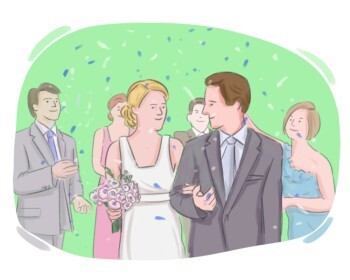
marriage
marriage
[Podstatné jméno]

the formal and legal relationship between two people who are married

manželství, sňatek

manželství, sňatek

Ex: Counseling and communication are essential for a successful marriage. 
to [get] married

to legally become someone's wife or husband

Ex: They had been together for years before they finally decided to get married. 
married
married
[Přídavné jméno]

having a wife or husband

ženatý, manželský

ženatý, manželský

Ex: He is married and has two children 
honeymoon
honeymoon
[Podstatné jméno]

a holiday taken by newlyweds immediately after their wedding

líbánky, svatební cesta

líbánky, svatební cesta

Ex: The honeymoon was a time for them to unwind, create lasting memories, and embark on new adventures together. 

Líbánky byly časem, kdy se mohli odpočívat, vytvářet trvalé vzpomínky a vydat se na nová dobrodružství společně.
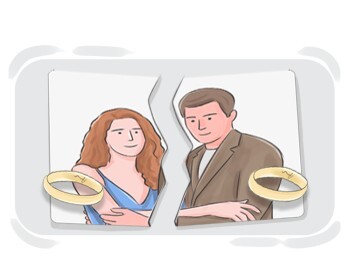
divorced
divorced
[Přídavné jméno]

no longer married to someone due to legally ending the marriage

rozvedený

rozvedený

Ex: The divorced man sought therapy to help him cope with the emotional aftermath of the separation. 

Rozvedený muž hledal terapii, která by mu pomohla vyrovnat se s emocionálními následky rozchodu.

to split up
to split up
[sloveso]

to end a romantic relationship or marriage

rozejít se,  rozvést se

rozejít se, rozvést se

Ex: They decided to split up after ten years of marriage. 

Rozhodli se rozejít po deseti letech manželství.
widowed
widowed
[Přídavné jméno]

referring to an individual whose spouse has died and who has not remarried

vdovec/vdova

vdovec/vdova

Ex: Despite being widowed, she remained strong for her children. 

Navzdory tomu, že byla vdova, zůstala silná pro své děti.
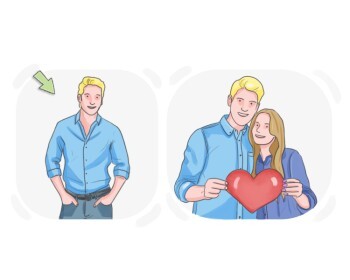
single
single
[Přídavné jméno]

not in a relationship or marriage

svobodný, nezadaný
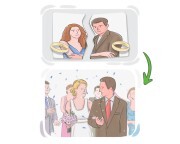
svobodný, nezadaný

Ex: Being single allows me to explore my interests and hobbies freely. 
to remarry
to remarry
[sloveso]

to marry again after the death of a previous spouse or after a divorce

znovu se oženit, znovu se vzít

znovu se oženit, znovu se vzít

Ex: After her divorce, she decided to remarry and found love again. 

Po rozvodu se rozhodla znovu vdát a znovu našla lásku.

pregnant
pregnant
[Přídavné jméno]

(of a woman or a female animal) carrying a baby inside one's body

těhotná, březí

těhotná, březí

Ex: Despite being pregnant with twins, Mary continued to work and maintain her daily routine. 

Navzdory tomu, že byla těhotná s dvojčaty, Mary pokračovala v práci a udržovala si svou denní rutinu.
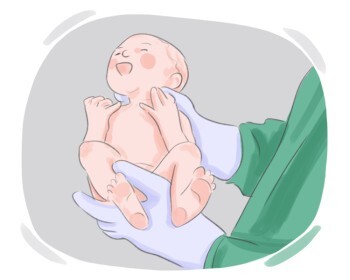
birth
birth
[Podstatné jméno]

the event or process of a baby being born

narození, porod
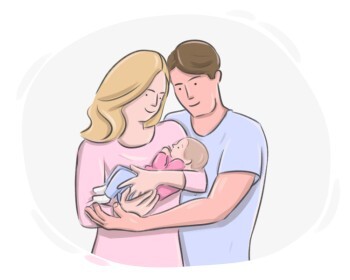
narození, porod

Ex: The birth of their first child brought immense joy to the whole family. 
to have
to have
[sloveso]

to give birth to a baby

porodit, přivést na svět
porodit, přivést na svět

Ex: She's excited to have her first child in a few months. 
born
born
[Přídavné jméno]

brought to this world through birth

narozený, narozená

narozený, narozená

Ex: The newly born foal took its first wobbly steps, eager to explore its surroundings. 

Nově narozené hříbě udělalo své první nejisté kroky, dychtivé prozkoumat své okolí.
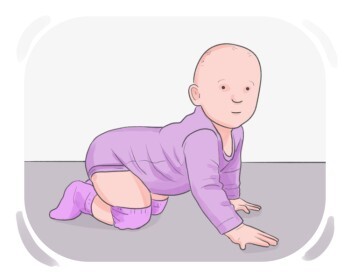
baby
baby
[Podstatné jméno]

a very young child

miminko, dítě

miminko, dítě

Ex: The baby's first word was "mama," bringing joy to everyone. 
to weigh
to weigh
[sloveso]

to measure how heavy someone or something is

Ex: Daniel stepped onto the scale to weigh himself. 
due
due
[Přídavné jméno]

expected or required to happen or arrive at a certain time

splatný, očekávaný

splatný, očekávaný

Ex: The package is due to arrive by noon. 

Balíček má dorazit do poledne.

death
death
[Podstatné jméno]

the fact or act of dying

smrt, úmrtí

smrt, úmrtí

Ex: The family was deeply saddened by his death. 
to die
to die
[sloveso]

to no longer be alive

zemřít,  umřít

zemřít, umřít

Ex: Unfortunately, her pet fish died after being in poor health for a week. 
dead
dead
[Přídavné jméno]

not alive anymore

mrtvý, zesnulý

mrtvý, zesnulý

Ex: They mourned their dead dog for weeks. 

Truchlili nad svým mrtvým psem celé týdny.
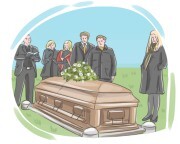
funeral
funeral
[Podstatné jméno]

a ceremony held to honor a person who has died, usually before or during burial or cremation

pohřeb,  pohřební obřad
pohřeb, pohřební obřad

Ex: The funeral took place three days after her death. 
anniversary
anniversary
[Podstatné jméno]

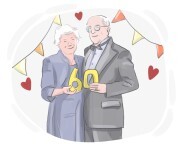
the date on which an important event happened in a previous year and is remembered or celebrated
Ex: Next month will be the first anniversary of the museum's opening. 
to miss
to miss
[sloveso]

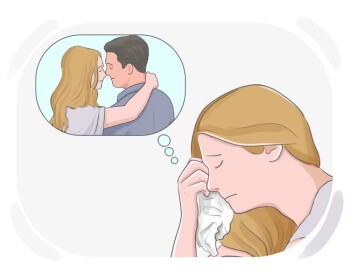
to feel sad because we no longer can see someone or do something

postrádat, stýskat se
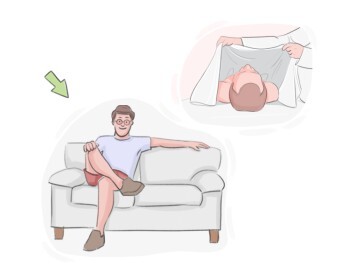
postrádat, stýskat se

Ex: She missed her childhood home after moving to a new city. 
alive
alive
[Přídavné jméno]

continuing to exist, breathe, and function

živý, naživu

živý, naživu

Ex: The patient remained alive thanks to the life-saving efforts of the medical team. 

Pacient zůstal naživu díky život zachraňujícím snahám lékařského týmu.

by chance
by chance
[Příslovce]

without any deliberate intent or planning

náhodou, naštěstí

náhodou, naštěstí

lifelike
lifelike
[Přídavné jméno]

having the appearance or qualities that closely resemble or imitate real life

realistický, přirozený

realistický, přirozený

Ex: Her performance in the play was so lifelike that it left the audience deeply moved and fully immersed in the story. 

Její výkon ve hře byl tak živý, že publikum hluboce dojal a zcela ho ponořil do příběhu.
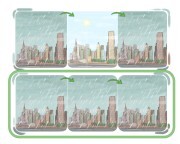
never-ending
never-ending
[Přídavné jméno]

continuing indefinitely without stopping or reaching a conclusion

nekonečný, neustálý

nekonečný, neustálý

Ex: He was trapped in a never-ending loop of work, with no time to rest or relax. 

Byl uvězněn v nekonečné smyčce práce, bez času na odpočinek nebo relaxaci.

colleague
colleague
[Podstatné jméno]

someone with whom one works

kolega, spolupracovník
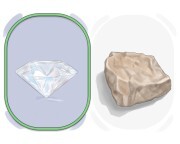
kolega, spolupracovník

Ex: My colleague and I collaborated on a project that received high praise from our manager for its innovative approach. 
rare
rare
[Přídavné jméno]

happening infrequently or uncommon in occurrence

vzácný, málo častý

vzácný, málo častý

Ex: Her talent for playing the theremin, an unusual instrument, is rare and highly admired by musicians. 
original
original
[Přídavné jméno]

existing at the start of a specific period or process

původní, počáteční

původní, počáteční

Ex: The original plan was to travel by train, but they decided to drive instead. 
to allow
to allow
[sloveso]

to let someone or something do a particular thing

dovolit, povolit

dovolit, povolit

Ex: She allowed her children to play in the park. 
to swap
to swap
[sloveso]

to give something to a person and receive something else in return

vyměnit, prohodit

vyměnit, prohodit

Ex: Let's swap contact information so we can stay in touch. 
to afford
to afford
[sloveso]

to be able to pay the cost of something

dovolit si, mít prostředky na
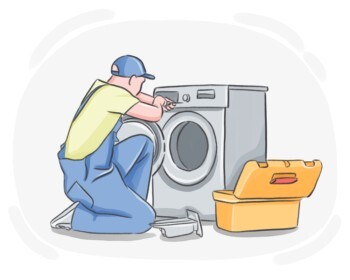
dovolit si, mít prostředky na

Ex: If you save consistently, you may eventually afford a house. 
to repair
to repair
[sloveso]

to fix something that is damaged, broken, or not working properly

opravit, spravit

opravit, spravit

Ex: Can you help me repair this torn book page with tape? 
LanGeek
Stáhnout aplikaci LanGeek