
Názor a Argument - Perspektivy v Diskusi
Zde se naučíte některá anglická slova související s perspektivami v diskusi, jako jsou "špatně posoudit", "usuzovat" a "dojem".
Revize
Kartičky
tvary
Pravopis
Kvíz

used to suggest that the opposite of what has been stated may be closer to the truth

used to introduce one's personal opinion or perspective on a topic, emphasizing on the fact that it is their personal view
used to mean one does not have a strong preference and is happy to go along with whatever others decide
an abbreviation that is used in texting to express one's personal opinion about a particular subject
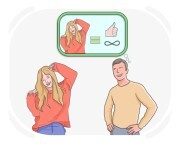
an opinion or feeling that one has about someone or something, particularly one formed unconsciously

dojem
Nemohla se zbavit dojmu, že ho už někde předtím viděla.
used to emphasize that the speaker is being sincere and truthful in their statement
ve vší upřímnosti, abych byl upřímný
Upřímně řečeno, mám obavy o směr, kterým se společnost ubírá - zdá se, že ztrácíme soustředění.
giving an opinion in a way that is not strong
nakloněný, skloněný
Členové výboru byli nakloněni schválení rozpočtu, s výhradou dalšího přezkoumání výdajů.
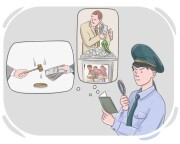
to reach an opinion or decision based on available evidence and one's understanding of the matter
usoudit, vyvodit
Ona vyvozuje odpověď na otázku zkoumáním dostupných informací.

a conclusion one reaches from the existing evidence or known facts
závěr, usuzování
Detektiv učinil klíčový závěr ohledně alibi podezřelého na základě nových důkazů.
the quality of being unable or unwilling to change
neflexibilita, tvrdohlavost
in a way that is unwilling to change or adapt
neflexibilně, nepružně
Trvala neústupně na dodržování původního plánu navzdory novým výzvám.
according to one's opinion
v něčích očích, podle někoho
Možná není oblíbený, ale v očích svého syna je hrdina.
to insert a comment, remark, or question abruptly into a conversation
vmísit, přerušit
On vsunul sarkastickou poznámku, která prolomila napětí.
unwillingness to agree about something or change one's views
neústupnost, neoblomnost
Jeho neústupnost během jednání znemožnila dosáhnout dohody.
an official who scores, evaluates, or enforces the rules during a sports competition
rozhodčí, soudce
Sportovci nervózně čekali, až rozhodčí oznámí konečné skóre.

an opinion that is formed after thinking carefully
úsudek, názor
Jeho úsudek byl zakalený osobní zaujatostí, což vedlo k nespravedlivému rozhodnutí.
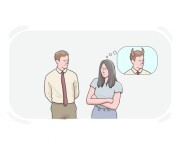
to form a decision or opinion based on what one knows
posuzovat, hodnotit
Šéfkuchař posuzuje chuť jídla ochutnáním před podáváním.
to keep one's thoughts or plans to oneself and not share them with others
nechávat si názory pro sebe, neprozrazovat své plány
Chtěl jsem vědět, na čí straně Daniel stojí, ale nechal si to pro sebe.
a tendency to believe in or favor something
sklon, tendence
Právní sklony soudce se odrážely v jejích soudních rozhodnutích.
to have a tendency to choose or support something
naklánět se, mít tendenci volit
Ona se politicky naklání doleva.
an opinion that is uncommon, unpopular, or strange
neobvyklý názor, podivný nápad
used in a question asking for a description of someone or something
jako, podobný

to firmly and persistently express an opinion, belief, or statement as true and valid
udržovat, trvat na
Ona tvrdí, že její interpretace dat je správná navzdory opozici.
to ascertain that one's feeling, opinion, point of view, etc. is considered, understood, or has an impact
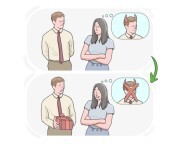
to form an incorrect opinion or assessment about someone or something
špatně posoudit, mýlit se v úsudku
Je snadné špatně posoudit lidi podle vzhledu; často je víc, než se na první pohled zdá.
an incorrect or unjust opinion that is formed about someone
chybný úsudek, nespravedlivý názor

an act or opinion that is wrong
chyba, omyl
Kultura, která podporuje podstupování rizik a učení se z chyb, podporuje inovace a kreativitu.
(of a person) wrong in one's judgment, opinion, or belief
mylný, chybný
Učitel objasnil pojem studentovi, který se ve své interpretaci mýlil.
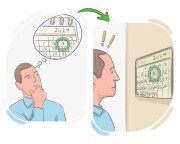
in a wrong or incorrect manner
omylem, chybně
Omylem identifikovali podezřelého na základě chybných důkazů.
to shape or influence the way someone’s character or opinions develop
tvarovat, ovlivňovat
Kulturní tradice jejího dědictví formovaly její identitu.
to be critical of people and tell them what is right and wrong in order to establish one’s superiority
moralizovat, kázat
to restrain someone from freely expressing their opinions in public
umlčet, omezit svobodu projevu
a person's reputation or standing in the community
pověst, dobré jméno
Tvrdě pracoval, aby si vydobyl dobré jméno.
in a way that deliberately refrains from giving a definitive answer or expressing one's opinion or intentions clearly
nevyhraněně, vyhýbavě
(usually plural) a short review on a new play, book, film etc., especially one that is written exclusively for a newspaper or magazine
recenze, kritika
Film získal nadšené recenze od kritiků a rychle se stal kasovním trhákem.
