
Cambridge IELTS 16 - Akademický - Test 4 - Čtení - Úryvek 2 (2)
Learn vocabulary from the second part of Cambridge IELTS 16 Academic, Test 4 Reading Passage 2, with useful words and expressions from the text.
Revize
Kartičky
tvary
Pravopis
Kvíz

someone or something on which a study or experiment is performed

subjekt, účastník
Subjekty v klinické studii byly pečlivě sledovány kvůli případným nežádoucím účinkům nového léku.
the attraction and allure that makes one interesting
přitažlivost, půvab
Přitažlivost filmu spočívá v jeho silném příběhu.

a book with a cover that is made of thick paper
brožovaná kniha, paperback
Věnovala své lehce použité brožované knihy místní knihovně, aby sdílela svou lásku ke čtení s ostatními.
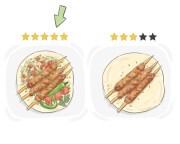
surpassing others in terms of overall goodness or excellence
nadřazený, vynikající
Jeho nadřazený intelekt mu umožnil vyniknout v akademických snahách.
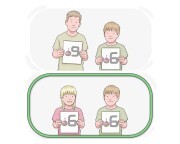
a person of the same age, social status, or capability as another specified individual
vrstevník, rovnocenný
Přestože byla v společnosti nová, rychle se etablovala jako rovný mezi svými kolegy díky tvrdé práci a odborným znalostem.
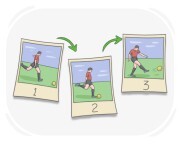
to arrange items or events in a particular order
uspořádat, seřadit
Seřadila fotografie, aby vytvořila vyprávění.
to rebuild or reimagine something from the past, often using research or gathered information
rekonstruovat, obnovit
Muzejní výstava měla za cíl rekonstruovat ztracený svět dinosaurů pomocí modelů v životní velikosti.
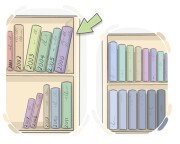
organized according to the order that the events occurred in
chronologický
Muzejní výstava představila artefakty v chronologickém pořadí, ilustrující vývoj civilizace.

to direct or participate in the management, organization, or execution of something
vést, provádět
Generální ředitel osobně povede jednání s potenciálními obchodními partnery.
a standard or expectation that guides behavior within a group or society
norma, standard
Zpochybnila normu tím, že si zvolila netradiční kariérní cestu.

to notice or see someone or something that is hard to do so
zahlédnout, všimnout si
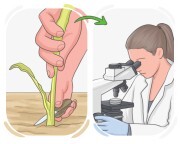
to take a small portion or specimen of something for examination, testing, or as a representation of a larger whole
vzorkovat, odebrat vzorek
Technik odebere vzorek vody k testování na kontaminaci.
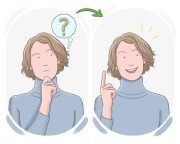
to mentally understand information or concepts
pochopit, porozumět
Přečtení článku několikrát mi pomohlo pochopit hlavní argument autora a podpůrné body.
to become aware or conscious of something
vnímat, uvědomit si
Zpočátku nerozuměl důsledkům, ale brzy vnímal vážnost rozhodnutí.
happening without being planned or deliberately caused
nezamýšlený, nepředvídaný
Kampaň na sociálních sítích měla nezamýšlené důsledky, které vyvolaly kontroverzi a odpor.
unintended negative consequence or harm resulting from an action
vedlejší škody, nezamýšlené negativní důsledky
Fúze proběhla hladce, ale některá oddělení utrpěla vedlejší škody.
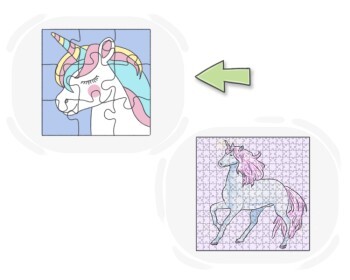
easy to comprehend or perform without any difficulties
přímočarý, přímý
Úkol byl přímočarý, trvalo jen pár minut, než byl dokončen.
a decline in effectiveness or function due to underuse or neglect
atrofie, funkční úpadek
Všimla si atrofie flexibility po měsících nečinnosti.
to move through a challenging area with careful consideration of obstacles
navigovat, řídit
Kanoisté proplouvali klikatou řekou, obratně pádlovali přes vinuté zatáčky a padlé kmeny.
happening continuously without stopping for a long time
konstantní, nepřetržitý
Neustálé změny předpisů ztěžovaly podnikům přizpůsobení se.
an overwhelming stream of spoken or written messages delivered in rapid succession
příval zpráv, informační bombardování
Doručená pošta byla pod každodenním bombardováním propagačních e-mailů.
to motivate or encourage someone by offering benefits or rewards
povzbudit, motivovat
Minulý měsíc motivovali účastníky exkluzivními odměnami za dokončení průzkumu.
to move back or withdraw to a safer or more comfortable place, especially to avoid something unpleasant
ustoupit, stáhnout se
Viděl vlny stoupat a ustoupil dále na břeh.
easily affected by external factors
citlivý, zranitelný
Citlivé rostliny jsou náchylné k mrazu.
to change without becoming totally different
měnit, upravovat
Umělcův styl se v průběhu jejich kariéry postupně změnil.

to suggest that one thing is the logical consequence of the other
naznačovat, implikovat
Pokles prodeje znamená, že marketingová strategie potřebuje přehodnotit.
to be able to say who or what someone or something is
identifikovat, rozpoznat
Nemohla identifikovat osobu u dveří, dokud nepromluvili.
to do something in order to make up for a wrongdoing or to make things right
napravit, odškodnit
Rozhodnutí soudu mělo za cíl napravit nespravedlnost, kterou oběti utrpěly.
to establish deeply and firmly, often making something difficult to change or remove
zakořenit, upevnit
Během let se tradiční genderové role v některých společnostech hluboce zakořenily.
far beyond what is normal or typical
mimořádný, výjimečný
Sportovec projevil mimořádnou sílu.
the ability or power to achieve something or develop into a certain state in the future
kapacita, potenciál
Město má kapacitu zvládnout větší populaci s plánovanými upgrady infrastruktury.
referring to traits that are present from birth and are influenced by genetic inheritance, such as medical conditions or physical features
vrozený, dědičný
Dítěti byla diagnostikována vrozená metabolická porucha.
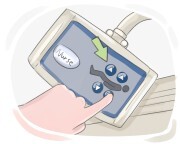
to slightly alter or move something in order to improve it or make it work better
upravit, nastavit
Právě teď technik nastavuje termostat pro lepší regulaci teploty.
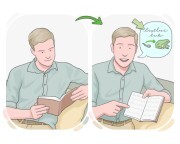
in regard to what someone has said or written
podle, dle
Podle předpovědi počasí bude zítra pršet.
an overall way in which something is changing or developing
trend, tendence
Platformy sociálních médií často ovlivňují trendy v populární kultuře a komunikačních stylech.

a piece of information discovered as a result of a research
nález, objev
Jejich zjištění naznačilo, že strava hraje hlavní roli ve zdravotních výsledcích.
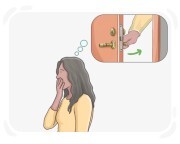
to bring back something from the memory
vzpomenout si, připomenout
Vůně často může spustit schopnost vybavit si minulé zážitky.
concerned only with surface-level appearances or trivial matters, lacking depth or genuine understanding
povrchní, mělký
Povrchní persona celebrity byla vytvořena, aby oslovila veřejnost, ale málokdo znal skutečnou osobu za ní.
the subject matter or information covered in a speech, literary work, or other forms of communication, distinct from its style or presentation
obsah, materiál
Upravila zprávu, aby vylepšila její obsah a strukturu.
marked by separation of or from usually contiguous elements
izolovaný, oddělený
formed or created by joining two or more elements or parts together
kombinovaný, společný
Zahrada představovala kombinovanou sbírku květin, keřů a stromů, čímž vytvořila krásnou krajinu.

extremely careful and attentive to detail
důkladný, pečlivý
Ke svému výzkumu přistoupila s důkladným přístupem a ověřila každý fakt, než napsala svou zprávu.
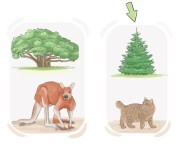
existing or spreading among many people, groups, or communities through communication, influence, or awareness
rozšířený, obecný
Přesvědčení, že je nutné vypít osm sklenic vody denně, je rozšířené, ale není vědecky prokázané.
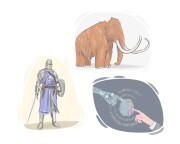
a period of history marked by particular features or events
éra, období
Pád Berlínské zdi znamenal začátek nové éry v evropské politice.
to make something right when it was previously incorrect, improper, or defective
opravit, napravit
Před odesláním musíme opravit nesprávné údaje v zprávě.
