pattern

Cambridge IELTS 16 - Academic - Test 4 - Reading - Passage 2 (2)

Here you can find the vocabulary from Test 2 - Reading - Passage 2 (2) in the Cambridge IELTS 16 - Academic coursebook, to help you prepare for your IELTS exam.

Review

Flashcards

Forms

Spelling

Quiz

Start learning
Cambridge IELTS 16 - Academic
subject
subject
[noun]

someone or something on which a study or experiment is performed

Ex: The subjects in the clinical trial were closely monitored for any adverse effects of the new medication. 
Close
Sign in
appeal
appeal
[noun]

the attraction and allure that makes one interesting

Ex: The movie's appeal lies in its powerful storyline. 
Close
Sign in
paperback
paperback
[noun]

a book with a cover that is made of thick paper
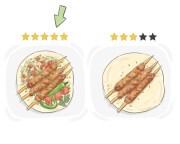
Ex: She preferred the paperback because it was lightweight and easy to carry during her travels. 
Close
Sign in
superior
superior
[Adjective]

surpassing others in terms of overall goodness or excellence
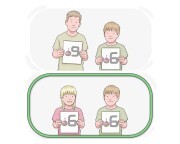
Ex: The superior craftsmanship of the handmade furniture set it apart from mass-produced alternatives. 
Close
Sign in
peer
peer
[noun]

a person of the same age, social status, or capability as another specified individual
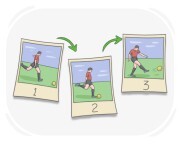
Ex: In high school, he struggled to find peers who shared his passion for classical literature. 
Close
Sign in
to sequence

to arrange items or events in a particular order

Ex: She sequenced the photos to create a narrative. 
Close
Sign in
to reconstruct

to rebuild or reimagine something from the past, often using research or gathered information

Ex: The historian worked to reconstruct the ancient civilization’s daily life. 
Close
Sign in
chronological
chronological
[Adjective]

organized according to the order that the events occurred in

Ex: The historical events were presented in chronological order. 
Close
Sign in
to conduct

to direct or participate in the management, organization, or execution of something

Ex: The experienced project manager will conduct the team in implementing the new software. 
Close
Sign in
norm
norm
[noun]

a standard or expectation that guides behavior within a group or society

Ex: She challenged the norm by choosing a nontraditional career path. 
Close
Sign in
to spot
to spot
[Verb]

to notice or see someone or something that is hard to do so
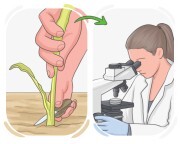
Ex: The hiker could spot the rare bird perched high in the trees. 
Close
Sign in
to sample
to sample
[Verb]

to take a small portion or specimen of something for examination, testing, or as a representation of a larger whole
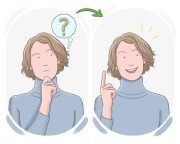
Ex: The scientist will sample the soil to analyze its composition. 
Close
Sign in
to grasp
to grasp
[Verb]

to mentally understand information or concepts

Ex: After multiple explanations, he finally managed to grasp the complex mathematical concept. 
Close
Sign in
to perceive

to become aware or conscious of something

Ex: He didn't initially understand the implications, but soon perceived the gravity of the decision. 
Close
Sign in
unintended
unintended
[Adjective]

happening without being planned or deliberately caused

Ex: The unintended consequences of the policy change led to unexpected challenges for small businesses. 
Close
Sign in
collateral damage

unintended negative consequence or harm resulting from an action
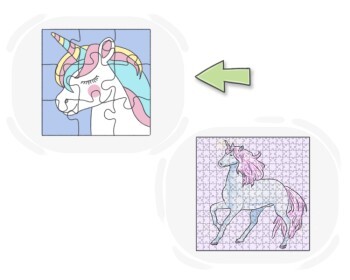
Ex: When the company cut budgets, low morale was the collateral damage. 
Close
Sign in
straightforward
straightforward
[Adjective]

easy to comprehend or perform without any difficulties

Ex: His explanation of the problem was straightforward, making it easy for everyone to understand. 
Close
Sign in
atrophy
atrophy
[noun]

a decline in effectiveness or function due to underuse or neglect

Ex: His skills experienced atrophy after years without practice. 
Close
Sign in
to navigate

to move through a challenging area with careful consideration of obstacles
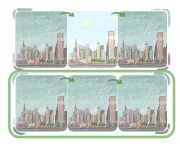
Ex: Explorers had to navigate the icy waters of the Arctic, carefully avoiding icebergs and frozen obstacles. 
Close
Sign in
constant
constant
[Adjective]

happening continuously without stopping for a long time

Ex: The constant noise from the construction site made it difficult to concentrate. 
Close
Sign in
bombardment

an overwhelming stream of spoken or written messages delivered in rapid succession
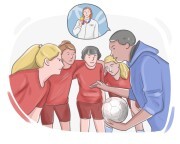
Ex: The audience endured a bombardment of technical jargon during the presentation. 
Close
Sign in
to incentivize

to motivate or encourage someone by offering benefits or rewards

Ex: Companies often incentivize employees with bonuses to boost productivity. 
Close
Sign in
to retreat

to move back or withdraw to a safer or more comfortable place, especially to avoid something unpleasant

Ex: When the sun blazes, the lizards retreat into the shade. 
Close
Sign in
store
store
[noun]

a supply of something available for future use

Close
Sign in
susceptible
susceptible
[Adjective]

easily affected by external factors

Ex: Delicate plants are susceptible to frost. 
Close
Sign in
to alter
to alter
[Verb]

to change without becoming totally different

Ex: Over time, people's tastes and preferences can alter. 
Close
Sign in
to imply
to imply
[Verb]

to suggest that one thing is the logical consequence of the other

Ex: The dark clouds imply that it might rain later today. 
Close
Sign in
to identify

to be able to say who or what someone or something is

Ex: The detective easily identifies the suspect from the security footage. 
Close
Sign in
to redress

to do something in order to make up for a wrongdoing or to make things right

Ex: The company promised to redress the mistakes made in the product delivery. 
Close
Sign in
to entrench

to establish deeply and firmly, often making something difficult to change or remove

Ex: The company's policies are deeply entrenched in its corporate culture. 
Close
Sign in
extraordinary
extraordinary
[Adjective]

far beyond what is normal or typical

Ex: The project required extraordinary effort. 
Close
Sign in
capacity
capacity
[noun]

the ability or power to achieve something or develop into a certain state in the future

Ex: With the right training, he has the capacity to become a world-class athlete. 
Close
Sign in
inborn
inborn
[Adjective]

referring to traits that are present from birth and are influenced by genetic inheritance, such as medical conditions or physical features
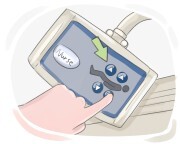
Ex: The child was diagnosed with an inborn metabolic disorder. 
Close
Sign in
to adjust
to adjust
[Verb]

to slightly alter or move something in order to improve it or make it work better
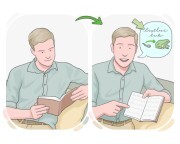
Ex: The musician often adjusts the tuning of his guitar before each performance. 
Close
Sign in
according to
according to
[preposition]

in regard to what someone has said or written

Ex: According to the weather forecast, it will rain tomorrow. 
Close
Sign in
trend
trend
[noun]

an overall way in which something is changing or developing

Ex: The current trend in fashion includes bold patterns and vibrant colors. 
Close
Sign in
finding
finding
[noun]

a piece of information discovered as a result of a research
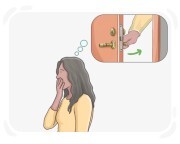
Ex: The scientist's finding revealed a new way to treat the disease. 
Close
Sign in
to recall
to recall
[Verb]

to bring back something from the memory

Ex: She could recall the details of the conversation with remarkable clarity. 
Close
Sign in
superficial
superficial
[Adjective]

concerned only with surface-level appearances or trivial matters, lacking depth or genuine understanding

Ex: His superficial charm was enough to win people over, but he never truly cared about them. 
Close
Sign in
content
content
[noun]

the subject matter or information covered in a speech, literary work, or other forms of communication, distinct from its style or presentation

Ex: The book’s content focuses on modern political theories. 
Close
Sign in
isolated
isolated
[Adjective]

marked by separation of or from usually contiguous elements

Close
Sign in
combined
combined
[Adjective]

formed or created by joining two or more elements or parts together

Ex: The team achieved success through their combined efforts and skills. 
Close
Sign in
thorough
thorough
[Adjective]

extremely careful and attentive to detail
Ex: The editor was thorough in her review, catching every small error in the manuscript. 
Close
Sign in
widespread
widespread
[Adjective]

existing or spreading among many people, groups, or communities through communication, influence, or awareness

Ex: The misinformation about the new policy became widespread on social media. 
Close
Sign in
era
era
[noun]

a period of history marked by particular features or events

Ex: The fall of the Berlin Wall marked the beginning of a new era in European politics. 
Close
Sign in
to rectify

to make something right when it was previously incorrect, improper, or defective

Ex: We need to rectify the incorrect figures in the report before submitting it. 
Close
Sign in
LanGeek
Download LanGeek app