pattern

El libro English File - Pre-intermedio - Lección 6A

Aquí encontrarás el vocabulario de la Lección 6A del libro de curso English File Pre-Intermediate, como "encontrar", "carrera", "pedir prestado", etc.

Revisión

Tarjetas de memoria

formas

Ortografía

Cuestionario
Empezar a aprender
English File - Pre-intermediate
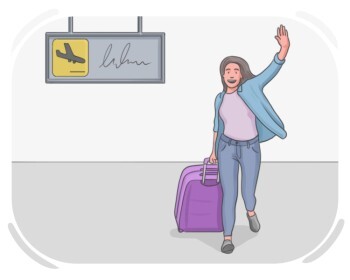
opposite
opposite
[Adjetivo]

located across from a particular thing, typically separated by an intervening space

de enfrente
de enfrente

Ex: She pointed to the opposite corner of the room. 

Ella señaló la esquina opuesta de la habitación.

to arrive
to arrive
[Verbo]

to reach a location, particularly as an end to a journey

llegar
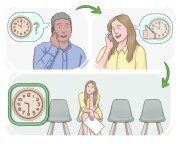
llegar

Ex: The delivery truck is expected to arrive at our doorstep by noon with the package. 

Se espera que el camión de reparto llegue a nuestra puerta al mediodía con el paquete.

early
early
[Adjetivo]

happening or done before the usual or scheduled time

temprano
temprano

Ex: She decided to leave work early to beat the traffic. 

Ella decidió salir del trabajo temprano para evitar el tráfico.

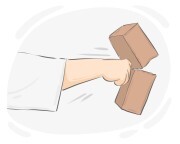
to break
to break
[Verbo]

to separate something into more pieces, often in a sudden way

romper, quebrar

romper, quebrar

Ex: The kids tend to break their toys if they play too roughly. 

Los niños tienden a romper sus juguetes si juegan demasiado bruscos.

phone
phone
[Sustantivo]

an electronic device used to talk to a person who is at a different location

teléfono

teléfono

Ex: The ringing of the phone interrupted the meeting. 

El sonido del teléfono interrumpió la reunión.

to buy
to buy
[Verbo]

to get something in exchange for paying money

comprar
comprar

Ex: Let's buy some flowers for her birthday. 

Compremos algunas flores para su cumpleaños.

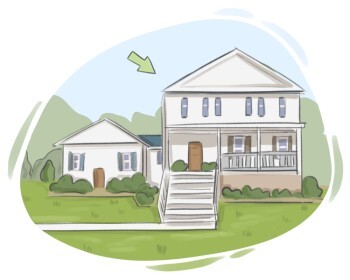
house
house
[Sustantivo]

a building where people live, especially as a family

casa
casa

Ex: We painted our house a vibrant shade of blue to stand out in the neighborhood. 

Pintamos nuestra casa de un vibrante tono azul para que sobresalga en el vecindario.

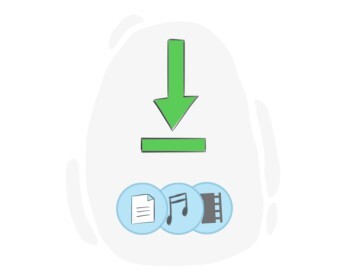
to download

to add data to a computer from the Internet or another computer

descargar

descargar

Ex: The app allows users to download videos for offline viewing. 

La aplicación permite a los usuarios descargar videos para verlos sin conexión.
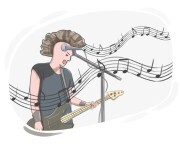
song
song
[Sustantivo]

a piece of music that has words

canción

canción

Ex: The band is known for their rock songs with powerful lyrics. 

La banda es conocida por sus canciones rock con letras poderosas.

to find
to find
[Verbo]

to search and discover something or someone that we have lost or do not know the location of

encontrar

encontrar

Ex: She says that she can't find her phone anywhere, but I don't believe her. 

Ella dice que no puede encontrar su teléfono en ninguna parte, pero no le creo.

key
key
[Sustantivo]

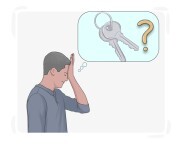
a specially shaped piece of metal used for locking or unlocking a door, starting a car, etc.

llave
llave

Ex: The spare key was hidden under a rock near the front porch. 

La llave de repuesto estaba escondida bajo una roca cerca del porche delantero.

to forget
to forget
[Verbo]

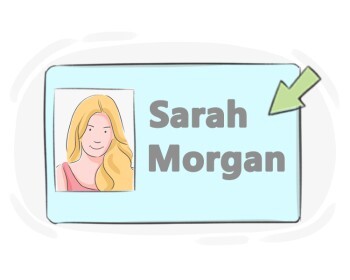
to not be able to remember something or someone from the past

olvidar
olvidar

Ex: She often forgets details about events from her early years. 

Ella a menudo olvida detalles sobre eventos de sus primeros años.

name
name
[Sustantivo]

the word we call a person or thing

nombre

nombre

Ex: Please write your name on the paper. 

Por favor, escriba su nombre en el papel.

to lend
to lend
[Verbo]

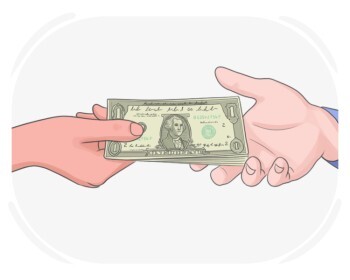
to give someone something, like money, expecting them to give it back after a while

prestar, dejar

prestar, dejar

Ex: The library is happy to lend books to its members for a set period. 

La biblioteca está encantada de prestar libros a sus miembros por un período determinado.

money
money
[Sustantivo]

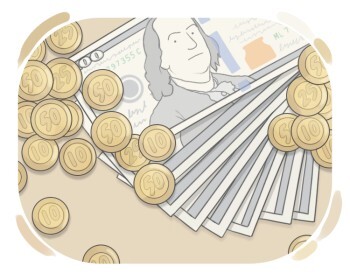
something that we use to buy and sell goods and services, can be in the form of coins or paper bills

dinero

dinero

Ex: Saving money for the future is really important. 

Ahorrar dinero para el futuro es realmente importante.

to love
to love
[Verbo]

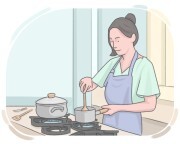
to have very strong feelings for someone or something that is important to us and we like a lot and want to take care of

querer
querer

Ex: She knew he was the one she loved when he supported her through a difficult time. 

Ella supo que él era al que amaba cuando la apoyó en un momento difícil.

cooking
cooking
[Sustantivo]

the act of preparing food by heat or mixing different ingredients

cocina

cocina

Ex: I miss my mother's home cooking. 

Echo de menos la cocina casera de mi madre.

to miss
to miss
[Verbo]

to not hit or touch what was aimed at

errar, fallar
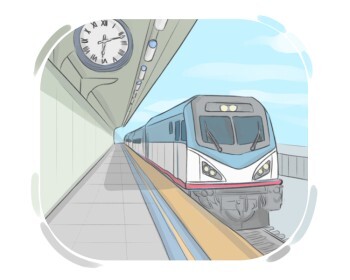
errar, fallar

Ex: The basketball player attempted a three-point shot but missed the hoop entirely. 

El jugador de baloncesto intentó un tiro de tres puntos pero falló el aro por completo.

train
train
[Sustantivo]

a series of connected carriages that travel on a railroad, often pulled by a locomotive

tren
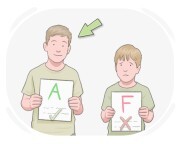
tren

Ex: He prefers traveling by train because it’s more relaxing than driving. 

Él prefiere viajar en tren porque es más relajante que conducir.

to pass
to pass
[Verbo]

to get the necessary grades in an exam, test, course, etc.

aprobar, pasar

aprobar, pasar

Ex: I'm not really expecting to pass first time. 

Realmente no espero aprobar la primera vez.

exam
exam
[Sustantivo]

a way of testing how much someone knows about a subject

examen

examen

Ex: The biology exam covers topics like genetics, cells, and ecology. 

El examen de biología cubre temas como genética, células y ecología.

to pick up
to pick up
[Verbo]

to take and lift something or someone up

recoger

recoger

Ex: She picked up the newspaper from the porch in the morning. 

Ella recogió el periódico del porche por la mañana.
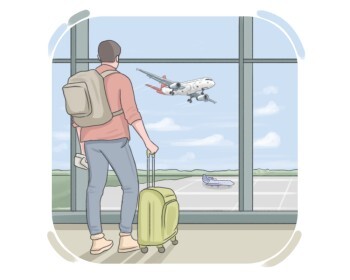
airport
airport
[Sustantivo]

a large place where planes take off and land, with buildings and facilities for passengers to wait for their flights

aeropuerto
aeropuerto

Ex: We had to show our passports and boarding passes at the airport immigration checkpoint. 

Tuvimos que mostrar nuestros pasaportes y tarjetas de embarque en el puesto de control de inmigración del aeropuerto.

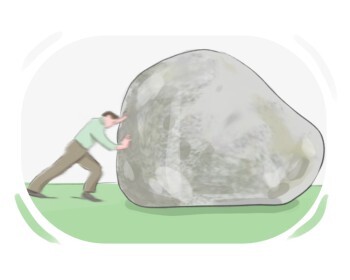
to push
to push
[Verbo]

to use your hands, arms, body, etc. in order to make something or someone move forward or away from you

empujar
empujar

Ex: The teacher told the students to push their chairs under the table. 

El profesor les dijo a los estudiantes que empujaran sus sillas debajo de la mesa.

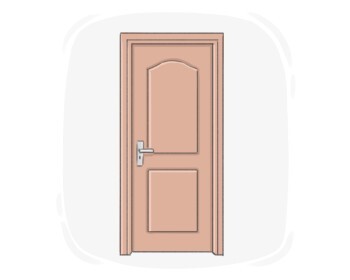
door
door
[Sustantivo]

the thing we move to enter, exit, or access a place such as a vehicle, building, room, etc.

puerta, thing you open to enter
puerta, thing you open to enter

Ex: He locked the door before leaving the house. 

Cerró con llave la puerta antes de salir de la casa.

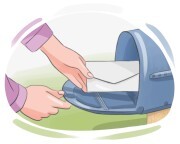
to send
to send
[Verbo]

to have a person, letter, or package physically delivered from one location to another, specifically by mail

enviar
enviar

Ex: She decided to send a handwritten letter to her friend who lived overseas. 

Ella decidió enviar una carta escrita a mano a su amigo que vivía en el extranjero.

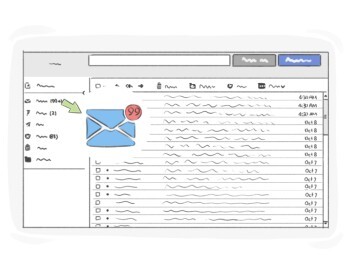
email
email
[Sustantivo]

a digital message that is sent from one person to another person or group of people using a system called email

correo electrónico, email

correo electrónico, email

Ex: She accidentally deleted the email, so she asked for it to be resent. 

Ella borró accidentalmente el correo electrónico, así que pidió que se reenviara.
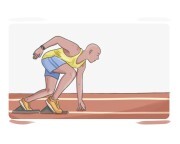
to start
to start
[Verbo]

to begin something new and continue doing it, feeling it, etc.

comenzar, empezar
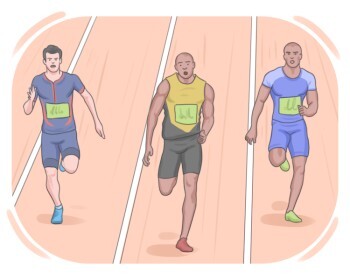
comenzar, empezar

Ex: I'm starting to get hungry, let's grab some food. 

Empiezo a tener hambre, vamos a buscar algo de comer.

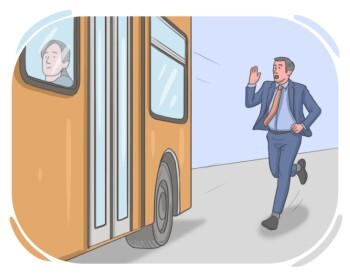
race
race
[Sustantivo]

a competition between people, vehicles, animals, etc. to find out which one is the fastest and finishes first

carrera
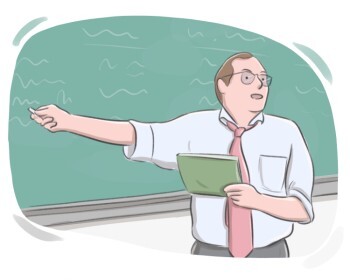
carrera

Ex: The marathon is the longest race I've ever run. 

El maratón es la carrera más larga que he corrido.

to teach
to teach
[Verbo]

to give lessons to students in a university, college, school, etc.

enseñar
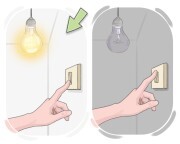
enseñar

Ex: I decided to leave my stressful job and teach painting at the community center. 

Decidí dejar mi trabajo estresante y enseñar pintura en el centro comunitario.

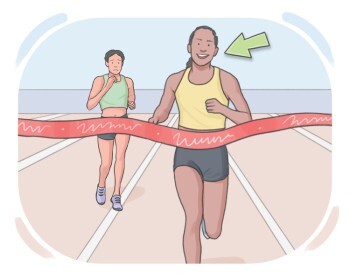
to turn on
to turn on
[Verbo]

to cause a machine, device, or system to start working or flowing, usually by pressing a button or turning a switch

encender, prender

encender, prender

Ex: It's hot in the room; let's turn on the air conditioner. 

Hace calor en la habitación; encendamos el aire acondicionado.
to win
to win
[Verbo]

to become the most successful, the luckiest, or the best in a game, race, fight, etc.

ganar

ganar

Ex: Did the home team win the basketball game last night? 

¿Ganó el equipo local el partido de baloncesto anoche?

match
match
[Sustantivo]

a competition in which two players or teams compete against one another such as soccer, boxing, etc.

partido
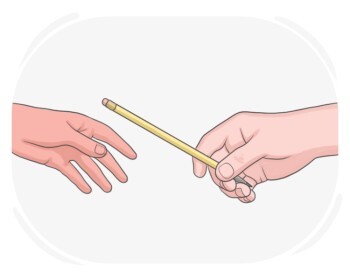
partido

Ex: After a long and intense match, the tennis player emerged victorious and celebrated with her fans. 

Después de un partido largo e intenso, la tenista emergió victoriosa y celebró con sus fans.

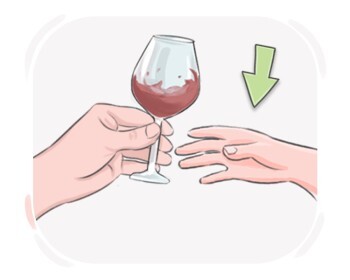
to borrow
to borrow
[Verbo]

to use or take something belonging to someone else, with the idea of returning it

pedir prestado
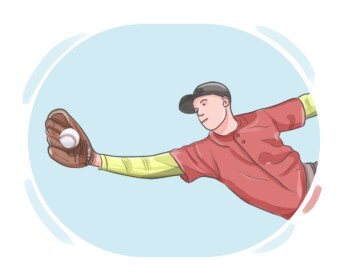
pedir prestado

Ex: He asked to borrow a pen from his classmate during the exam. 

Le pidió pedir prestado un bolígrafo a su compañero de clase durante el examen.

to catch
to catch
[Verbo]

to stop and hold an object that is moving through the air

coger, agarrar
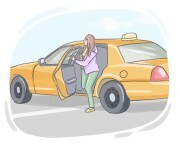
coger, agarrar

Ex: It might sound a bit strange, but my dog loves to catch a frisbee. 

Puede sonar un poco extraño, pero a mi perro le encanta atrapar un frisbee.

to drop off

to take a person or thing to a predetermined location and leave afterwards

dejar, dejar en

dejar, dejar en

Ex: The school bus will drop off the children at their respective stops. 

El autobús escolar dejará a los niños en sus respectivas paradas.

to fail
to fail
[Verbo]

to be unsuccessful in accomplishing something

fallar, fracasar

fallar, fracasar

Ex: He worked hard, but in the end, he failed. 

Trabajó duro, pero al final, fracasó.

to finish
to finish
[Verbo]

to make something end

terminar, acabar

terminar, acabar

Ex: The team finished the race in first place. 

El equipo terminó la carrera en primer lugar.

to get
to get
[Verbo]

to receive or come to have something

conseguir, obtener
conseguir, obtener

Ex: They got an invitation to the exclusive event. 

Ellos recibieron una invitación al evento exclusivo.

to hate
to hate
[Verbo]

to really not like something or someone

odiar
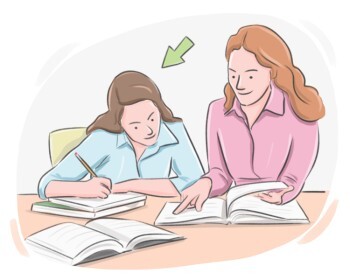
odiar

Ex: I hate spicy food because it burns my mouth. 

Odio la comida picante porque me quema la boca.

to learn
to learn
[Verbo]

to become knowledgeable or skilled in something by doing it, studying, or being taught

aprender
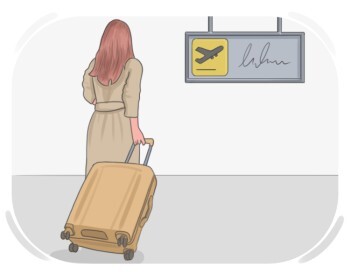
aprender

Ex: They are learning about history in their school lessons. 

Ellos están aprendiendo sobre historia en sus lecciones escolares.

to leave
to leave
[Verbo]

to go away from somewhere

dejar

dejar

Ex: The bus will leave in five minutes, so be quick! 

El autobús saldrá en cinco minutos, ¡así que date prisa!

to lose
to lose
[Verbo]

to be deprived of or stop having someone or something

perder
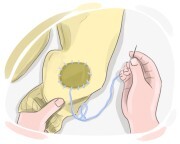
perder

Ex: She began to lose interest in the project as it became more complicated. 

Ella comenzó a perder interés en el proyecto a medida que se volvía más complicado.

to mend
to mend
[Verbo]

to fix something that is damaged or broken so it can work or be used again

reparar, remendar

reparar, remendar

Ex: The cobbler can mend the worn-out soles of the shoes, extending their lifespan. 

El zapatero puede reparar las suelas gastadas de los zapatos, extendiendo su vida útil.
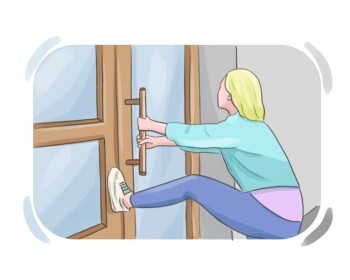
to pull
to pull
[Verbo]

to use your hands to move something or someone toward yourself or in the direction that your hands are moving

tirar, jalar
tirar, jalar

Ex: They worked together to pull the heavy box off the shelf. 

Trabajaron juntos para tirar de la caja pesada del estante.

to receive
to receive
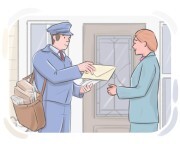
[Verbo]

to be given something or to accept something that is sent

recibir
recibir

Ex: The charity received a large donation from an anonymous benefactor. 

La organización benéfica recibió una gran donación de un benefactor anónimo.

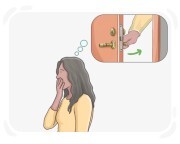
to remember

to bring a type of information from the past to our mind again

recordar, acordarse de
recordar, acordarse de

Ex: I remember the smell of freshly baked cookies in my grandmother's kitchen. 

Me acuerdo del olor de las galletas recién horneadas en la cocina de mi abuela.

to repair
to repair
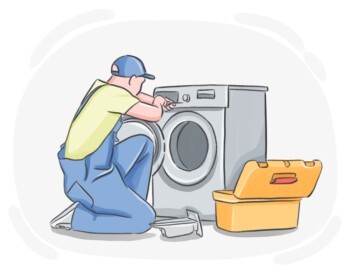
[Verbo]

to fix something that is damaged, broken, or not working properly

arreglar
arreglar

Ex: She learned how to repair the flat tire on her bicycle. 

Ella aprendió a reparar el neumático pinchado de su bicicleta.

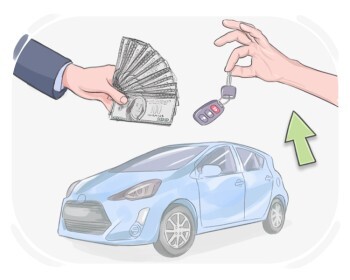
to sell
to sell
[Verbo]

to give something to someone in exchange for money

vender
vender

Ex: Do you think they'll sell their old bicycles at the flea market? 

¿Crees que venderán sus bicicletas viejas en el mercado de pulgas?

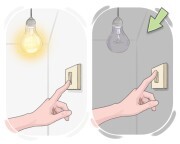
to turn off

to cause a machine, device, or system to stop working or flowing, usually by pressing a button or turning a switch

apagar

apagar

Ex: Please remember to turn off the lights before leaving the room. 

Por favor recuerda apagar las luces antes de salir de la habitación.
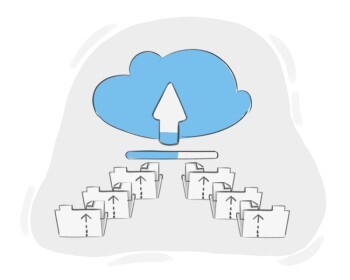
to upload
to upload
[Verbo]

to send an electronic file such as a document, image, etc. from one digital device to another one, often by using the Internet

cargar

cargar

Ex: The students were asked to upload their presentations to the class website. 

Se les pidió a los estudiantes que subieran sus presentaciones al sitio web de la clase.
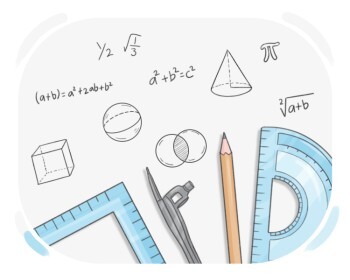
mathematics
mathematics
[Sustantivo]

the study of numbers and shapes that involves calculation and description

matemáticas

matemáticas

Ex: She scored well on her math test and received praise from her teacher. 

Ella obtuvo una buena puntuación en su examen de matemáticas y recibió elogios de su profesor.

television
television
[Sustantivo]

an electronic device with a screen that receives television signals, on which we can watch programs

televisión

televisión

Ex: The television was turned off during dinner. 

El televisor estaba apagado durante la cena.

LanGeek
Descargar la aplicación LanGeek