pattern

El libro Face2face - Intermedio - Unidad 2 - 2C

Aquí encontrarás el vocabulario de la Unidad 2 - 2C en el libro de curso Face2Face Intermediate, como "roncar", "ancho", "agotado", etc.

Revisión

Tarjetas de memoria

Ortografía

Cuestionario

Empezar a aprender
Face2face - Intermediate
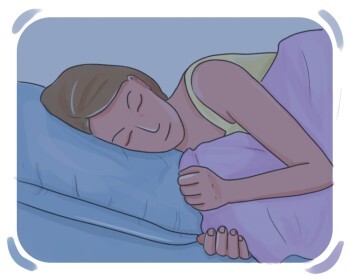
to sleep
to sleep
[Verbo]

to rest our mind and body, with our eyes closed

dormir

dormir

Ex: I often have vivid dreams when I sleep deeply. 
to [fall] asleep

to no longer be awake, and so, be sleeping
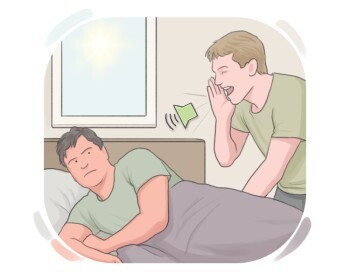
Ex: The baby finally fell asleep after being rocked gently in the crib. 
to wake up
to wake up
[Verbo]

to no longer be asleep

despertarse, despertar
despertarse, despertar

Ex: She woke up late and had to rush to catch the bus. 
to get back to

to start again after taking a break or discontinuing an activity for a while

retomar, volver a

retomar, volver a

Ex: After the short break, I need to get back to my work on the report. 

Después del breve descanso, necesito volver a mi trabajo en el informe.

wide
wide
[Adjetivo]

(of eyes) opened or stretched as much as possible, often due to surprise, fear, or amazement

muy abierto, desorbitado
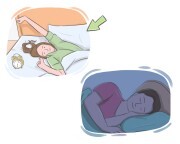
muy abierto, desorbitado

Ex: She stared at the magician with wide eyes, unable to believe the incredible trick she had just witnessed. 
awake
awake
[Adjetivo]

not sleeping

despierto

despierto

Ex: Are the children still awake? 
fast asleep
fast asleep
[Adjetivo]

very deep in sleep and difficult to be woken up

profundamente dormido, en un sueño profundo

profundamente dormido, en un sueño profundo

Ex: By the time the plane takes off, the passengers will hopefully be fast asleep, ready for a restful journey. 

Para cuando el avión despegue, los pasajeros estarán con suerte profundamente dormidos, listos para un viaje tranquilo.
to snore
to snore
[Verbo]

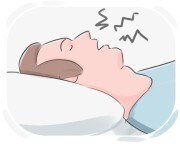
to breathe through one's nose and mouth in a noisy way while asleep

roncar

roncar

Ex: Grandpa tends to snore when he takes a nap in his favorite chair. 

El abuelo tiende a roncar cuando toma una siesta en su silla favorita.

insomnia
insomnia
[Sustantivo]

a disorder in which one is unable to sleep or stay asleep

insomnio

insomnio

Ex: The doctor recommended a few relaxation techniques to help combat her insomnia and improve her sleep quality. 

El médico recomendó algunas técnicas de relajación para ayudar a combatir su insomnio y mejorar la calidad de su sueño.
to take
to take
[Verbo]

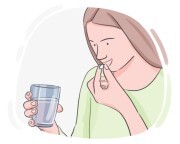
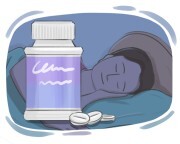
to consume a drug, medication, or substance in a specified manner, such as swallowing, inhaling, or injecting

tomar
tomar

Ex: The doctor advised him to take the cough syrup every six hours until the symptoms improved. 
sleeping pill
sleeping pill
[Sustantivo]

a medication taken to induce sleep or relieve insomnia

somnífero, pastilla para dormir

somnífero, pastilla para dormir

Ex: It's important to use sleeping pills only as directed to avoid dependency. 

Es importante usar pastillas para dormir solo según las indicaciones para evitar la dependencia.
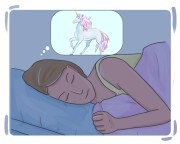
dream
dream
[Sustantivo]

a series of images, feelings, or events happening in one's mind during sleep

sueño
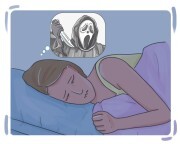
sueño

Ex: In her dream, she was reunited with old friends she hadn't seen in years. 
nightmare
nightmare
[Sustantivo]

a very frightening, disturbing, or unpleasant dream

pesadilla

pesadilla

Ex: The horror movie gave her nightmares for days. 
light sleeper
light sleeper
[Sustantivo]

someone whose sleep is easily disturbed

durmiente ligero, persona de sueño ligero

durmiente ligero, persona de sueño ligero

Ex: Because she was a light sleeper, the sound of the alarm clock often startled her awake well before it was time to get up. 

Porque era durmiente ligero, el sonido del despertador a menudo la sobresaltaba mucho antes de la hora de levantarse.

heavy
heavy
[Adjetivo]

(of sleep) deep, long-lasting, and difficult to wake up from easily

dormilón

dormilón

Ex: The medication induced a heavy slumber. 
to [take] a nap

to rest or sleep for a short period of time during the day

Ex: Some people find that taking a short nap after lunch helps them stay alert and focused for the rest of the day. 
good
good
[Adjetivo]

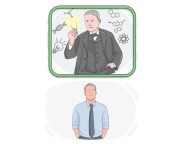
proper for a particular purpose or circumstance

apropiado, adecuado
apropiado, adecuado

Ex: A warm, sunny day is a good time for a picnic. 
brilliant
brilliant
[Adjetivo]

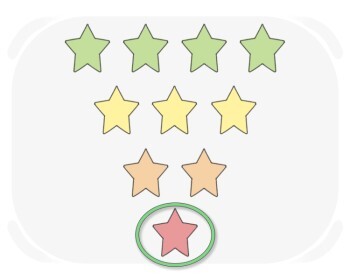
extremely clever, talented, or impressive

brillante
brillante

Ex: She's a brilliant leader who inspires her team to achieve great results. 
bad
bad
[Adjetivo]

having a quality that is not satisfying

malo
malo

Ex: He apologized for the bad joke he made earlier. 
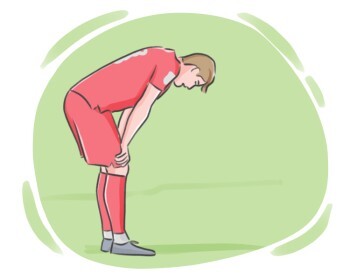
tired
tired
[Adjetivo]

needing to sleep or rest because of not having any more energy

cansado

cansado

Ex: She was tired but satisfied after cleaning the whole house. 

Ella estaba cansada pero satisfecha después de limpiar toda la casa.
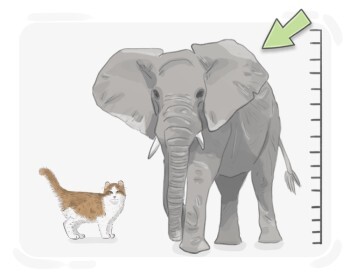
big
big
[Adjetivo]

above average in size or extent

grande

grande

Ex: The city has a big park. 
difficult
difficult
[Adjetivo]

needing a lot of work or skill to do, understand, or deal with

difícil
difícil

Ex: Memorizing multiplication tables can be difficult for elementary school students. 
frightened
frightened
[Adjetivo]

feeling afraid, often suddenly, due to danger, threat, or shock

asustado

asustado

Ex: The frightened expression on his face revealed his fear of heights. 

La expresión asustada en su rostro reveló su miedo a las alturas.

surprised
surprised
[Adjetivo]

feeling or showing shock or amazement

sorprendido

sorprendido

Ex: He acted surprised, but he already knew about the plan. 

Actuó sorprendido, pero ya sabía del plan.

exhausted
exhausted
[Adjetivo]

feeling extremely tired physically or mentally, often due to a lack of sleep

exhausto, agotado

exhausto, agotado

Ex: She felt mentally exhausted after dealing with a challenging project at work. 

Se sentía mentalmente agotada después de lidiar con un proyecto desafiante en el trabajo.
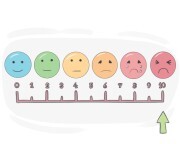
terrible
terrible
[Adjetivo]

extremely bad or unpleasant

terrible

terrible

Ex: She had a terrible headache that made it difficult to concentrate. 

Ella tenía un terrible dolor de cabeza que hacía difícil concentrarse.
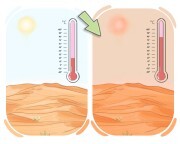
extremely
extremely
[Adverbio]

to a very great amount or degree

extremadamente

extremadamente

Ex: She is extremely friendly and easily makes new friends. 

Ella es extremadamente amigable y hace nuevos amigos fácilmente.
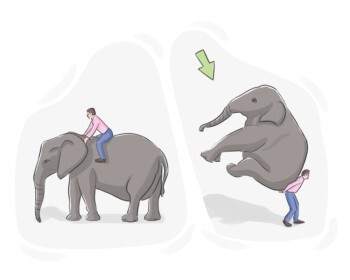
impossible
impossible
[Adjetivo]

not able to occur, exist, or be done

imposible
imposible

Ex: His dream seemed like an impossible goal, yet he pursued it relentlessly. 
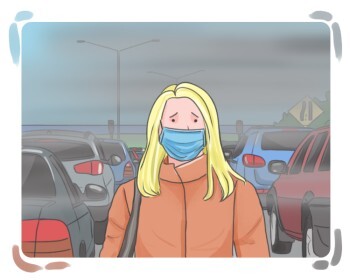
awful
awful
[Adjetivo]

extremely unpleasant or disagreeable

horrible, terrible

horrible, terrible

Ex: The movie was awful, so we left the theater early. 

La película fue horrible, así que nos fuimos temprano del cine.

amazed
amazed
[Adjetivo]

feeling or showing great surprise

asombrado

asombrado

Ex: The children's amazed faces reflected their astonishment at the magician's disappearing act. 

Los rostros asombrados de los niños reflejaban su asombro ante el acto de desaparición del mago.

shattered
shattered
[Adjetivo]

receiving damage and becoming broken or destroyed

roto, destrozado

roto, destrozado

Ex: The loud crash echoed through the house, and they rushed to find the picture frame shattered on the ground. 

El fuerte estruendo resonó por la casa, y se apresuraron a encontrar el marco de la foto destrozado en el suelo.
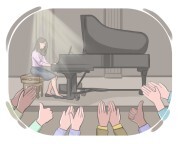
fantastic
fantastic
[Adjetivo]

extremely amazing and great

fantástico

fantástico

Ex: The view from the top of the mountain was fantastic. 

La vista desde la cima de la montaña era fantástica.
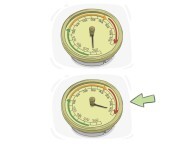
incredibly
incredibly
[Adverbio]

to a very great degree

increíblemente

increíblemente

Ex: She is incredibly talented at playing the piano. 

Ella es increíblemente talentosa tocando el piano.
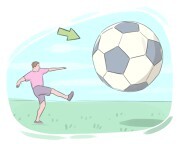
huge
huge
[Adjetivo]

very large in size

enorme

enorme

Ex: She adopted a huge dog that was almost as big as she was. 

Ella adoptó un enorme perro que era casi tan grande como ella.
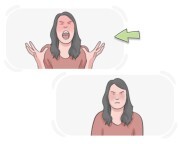
very
very
[Adverbio]

to a great extent or degree

muy

muy

Ex: She was very excited to start her new job. 

Ella estaba muy emocionada por comenzar su nuevo trabajo.
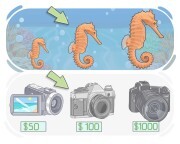
fairly
fairly
[Adverbio]

more than average, but not too much

bastante

bastante

Ex: She is fairly good at playing the piano. 

Ella es bastante buena tocando el piano.

terrified
terrified
[Adjetivo]

feeling extremely scared

aterrorizado

aterrorizado

Ex: She felt terrified by the thought of speaking in front of a large audience. 

Se sentía aterrorizada por la idea de hablar frente a una gran audiencia.

LanGeek
Descargar la aplicación LanGeek