pattern

کتاب 'اینترچنج' پیش‌متوسطه - واحد 1 - بخش 1

در اینجا واژگان از واحد 1 - بخش 1 در کتاب درسی Interchange Pre-Intermediate را پیدا خواهید کرد، مانند "actually"، "introduce"، "biology" و غیره.

مرور

فلش‌کارت‌ها

املای کلمه

آزمون

شروع یادگیری
Interchange - Pre-intermediate
where
where
[قید]

in what place, situation, or position

کجا

کجا

Ex: Do you remember where we met last time? 

آیا به یاد می‌آوری کجا آخرین بار همدیگر را ملاقات کردیم؟

بستن
ورود
from
from
[حرف اضافه]

used for showing the place where a person or thing comes from

از (اشاره به مبدأ مکانی)

از (اشاره به مبدأ مکانی)

Ex: My friend Ana is visiting from Brazil. 

دوست من آنا از برزیل دیدن می‌کند.

بستن
ورود
how about
how about
[عبارت]

used to inquire information about someone or something

چطوره؟, چی؟
چطوره؟, چی؟

Ex: How about joining us for the party on Friday? 
بستن
ورود
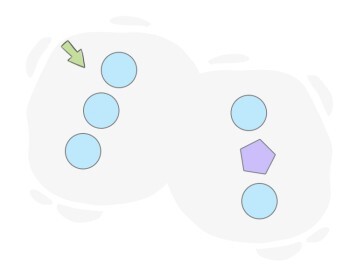
classmate
classmate
[اسم]

someone who is or was in the same class as you at school or college

هم‌کلاسی

هم‌کلاسی

Ex: She reached out to her former classmates on social media to reconnect and catch up. 

او در رسانه‌های اجتماعی با همکلاسی‌های سابق خود تماس گرفت تا دوباره ارتباط برقرار کند و از احوالشان باخبر شود.
بستن
ورود
same
same
[صفت]

like another thing or person in every way

یکسان, همانند

یکسان, همانند

Ex: They adopted the same type of dog from the shelter. 

آنها همان نوع سگ را از پناهگاه پذیرفتند.

بستن
ورود
actually
actually
[قید]

used to emphasize a fact or the truth of a situation

در واقع, واقعاً، راستش

در واقع, واقعاً، راستش

Ex: The old building, believed to be abandoned, is actually a thriving art studio. 

ساختمان قدیمی، که تصور می‌شد رها شده است، در واقع یک استودیوی هنری پررونق است.

بستن
ورود
to introduce
to introduce
[فعل]

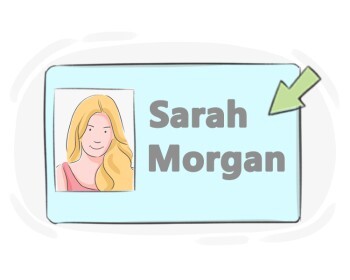
to tell someone our name so they can know us, or to tell them someone else's name so they can know each other, normally happening in the first meeting

معرفی کردن
معرفی کردن

Ex: Can I introduce you to my classmates? 

آیا می‌توانم شما را به همکلاسی‌هایم معرفی کنم؟

بستن
ورود
full name
full name
[اسم]

the complete name of a person that includes their first name, middle name, and last name

نام و نام‌خانوادگی کامل

نام و نام‌خانوادگی کامل

Ex: His full name is Jonathan Michael Smith. 

نام کامل او جاناتان مایکل اسمیت است.

بستن
ورود
again
again
[قید]

for one more instance

دوباره

دوباره

Ex: They laughed at the joke and asked him to tell it again. 

آنها به جوک خندیدند و از او خواستند که آن را دوباره تعریف کند.

بستن
ورود
biology
biology
[اسم]

the scientific study of living organisms; the science that studies living organisms

زیست‌شناسی

زیست‌شناسی

Ex: The biology textbook covered topics ranging from cell structure to ecosystem dynamics. 

کتاب درسی زیست‌شناسی موضوعاتی از ساختار سلولی تا پویایی اکوسیستم را پوشش می‌داد.

بستن
ورود
student
student
[اسم]

a person who is studying at a school, university, or college

دانش‌آموز, محصل، دانشجو

دانش‌آموز, محصل، دانشجو

Ex: She studies diligently to prepare for her exams as a student. 

او به عنوان یک دانشجو برای آماده شدن برای امتحاناتش سخت مطالعه می‌کند.

بستن
ورود
I
I
[ضمیر]

(subjective first-person singular pronoun) used by the speaker to refer to themselves when they are the subject of the sentence

من

من

Ex: I enjoy reading books in my free time. 

من از خواندن کتاب در وقت آزادم لذت می‌برم.

بستن
ورود
you
you
[ضمیر]

(second-person pronoun) used for referring to the one or the people we are writing or talking to

تو, شما

تو, شما

Ex: Do you like chocolate ice cream? 

آیا تو بستنی شکلاتی دوست داری؟

بستن
ورود
he
he
[ضمیر]

(subjective third-person singular pronoun) used when referring to a male human or animal that was already mentioned or one that is easy to identify

او (مرد)

او (مرد)

Ex: He enjoys playing soccer with his friends on weekends. 

او از بازی فوتبال با دوستانش در آخر هفته لذت می‌برد.

بستن
ورود
she
she
[ضمیر]

(subjective third-person singular pronoun) used when referring to a female human or animal that was already mentioned or one that is easy to identify

او (زن)
او (زن)

Ex: She enjoys spending her weekends gardening in her backyard. 

او از گذراندن آخر هفته‌هایش در باغبانی حیاط خلوتش لذت می‌برد.

بستن
ورود
it
it
[ضمیر]

(subjective third-person singular pronoun) used when referring to something or an animal as the subject of a sentence

او (غیر انسان), آن
او (غیر انسان), آن

Ex: It seems that the computer is not working properly. 

به نظر می‌رسد که کامپیوتر به درستی کار نمی‌کند.

بستن
ورود
we
we
[ضمیر]

(subjective first-person plural pronoun) used by a speaker when they want to talk or write about themselves and at least one other person

ما

ما

Ex: Can we meet tomorrow to discuss the project? 

آیا می‌توانیم-ما فردا برای بحث در مورد پروژه ملاقات کنیم؟

بستن
ورود
they
they
[ضمیر]

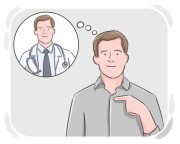
(subjective third-person plural pronoun) used when referring to the things or people that were already mentioned

آنها
آنها

Ex: Do you know where they went after the party? 

آیا می‌دانی آنها بعد از مهمانی کجا رفتند؟

بستن
ورود
to be
to be
[فعل]

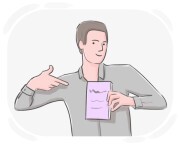
used when naming, or giving description or information about people, things, or situations

بودن
بودن

Ex: The dog's name is Max. 

اسم سگ ماکس است.

بستن
ورود
my
my
[تخصیص‌گر]

(first-person singular possessive determiner) of or belonging to the speaker or writer

مال من

مال من

Ex: My cat is sleeping on the couch. 

گربه‌ی من روی مبل خوابیده است.

بستن
ورود
your
your
[تخصیص‌گر]

(second-person possessive determiner) of or belonging to the person or people being spoken or written to

مال تو, مال شما (برای نشان دادن احترام)

مال تو, مال شما (برای نشان دادن احترام)

Ex: Please remember to bring your ID card with you. 

لطفاً به خاطر داشته باشید که کارت شناسایی خود را همراه داشته باشید.
بستن
ورود
his
his
[تخصیص‌گر]

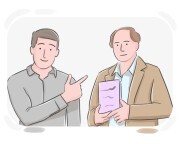
(third-person singular possessive determiner) of or belonging to a man or boy who has already been mentioned or is easy to identify

مالِ او (مرد)

مالِ او (مرد)

Ex: The teacher praised Peter for his excellent presentation. 

معلم از پیتر به خاطر ارائه عالی او تقدیر کرد.
بستن
ورود
her
her
[تخصیص‌گر]

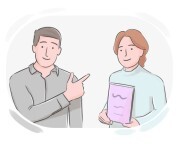
(third-person singular possessive determiner) of or belonging to a female human or animal that was previously mentioned or one that is easy to identify

مال او (زن)

مال او (زن)

Ex: The dog wagged her tail happily. 

سگ دمش را با خوشحالی تکان داد.

بستن
ورود
its
its
[تخصیص‌گر]

(third-person singular possessive determiner) of or belonging to a thing or an animal or child of unknown sex

مال او (غیر انسان), مال آن

مال او (غیر انسان), مال آن

Ex: The cat licked its paw after eating. 

گربه بعد از خوردن پایش را لیس زد.

بستن
ورود
our
our
[تخصیص‌گر]

(first-person plural possessive determiner) of or belonging to a speaker when they want to talk or write about themselves and at least one other person

مالِ ما

مالِ ما

Ex: Our team won the championship last year. 

تیم ما سال گذشته قهرمانی را به دست آورد.

بستن
ورود
their
their
[تخصیص‌گر]

(third-person plural possessive determiner) of or belonging to people, animals, or things that have already been mentioned or are easy to identify

مالِ آنها

مالِ آنها

Ex: The neighbors painted their house blue. 

همسایه‌ها خانه‌شان را آبی رنگ کردند.

بستن
ورود
who
who
[ضمیر]

used in questions to ask about the name or identity of one person or several people

چه‌کسی

چه‌کسی

Ex: Who is going to pick up the kids from school? 

چه کسی بچه ها را از مدرسه برمی دارد؟

بستن
ورود
what
what
[ضمیر]

used in questions to ask for information or for someone’s opinion

چی, چه

چی, چه

Ex: What is your opinion on the matter? 

نظر شما در این مورد چیست؟

بستن
ورود
school
school
[اسم]

a place where children learn things from teachers

مدرسه

مدرسه

Ex: My children go to school to learn new things and make friends. 

فرزندانم به مدرسه می‌روند تا چیزهای جدید یاد بگیرند و دوست پیدا کنند.

بستن
ورود
school subject

a particular area of study that students learn about in school, such as math, science, history, or arts

موضوع درسی

موضوع درسی

Ex: History was the school subject he found most interesting. 

تاریخ درس مدرسه‌ای بود که او آن را جالب‌ترین یافت.

بستن
ورود
history
history
[اسم]

the study of past events, especially as a subject in school or university

تاریخ (درس)

تاریخ (درس)

Ex: I enjoy studying history to learn about significant events that shaped our world. 

من از مطالعه تاریخ لذت میبرم تا درباره رویدادهای مهمی که دنیای ما را شکل دادهاند بیاموزم.

بستن
ورود
literature
literature
[اسم]

the academic study or analysis of written works, especially in the humanities

درس ادبیات
درس ادبیات

Ex: The seminar focused on medieval literature. 

سمینار بر ادبیات قرون وسطی متمرکز بود.

بستن
ورود
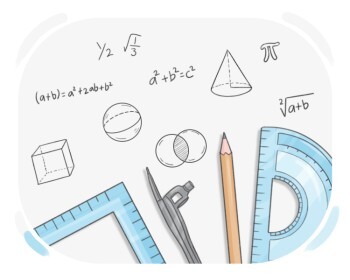
mathematics
mathematics
[اسم]

the study of numbers and shapes that involves calculation and description

ریاضی

ریاضی

Ex: She asks her teacher for extra math practice worksheets. 

او از معلم خود برگه‌های تمرین اضافی ریاضی می‌خواهد.

بستن
ورود
LanGeek
دانلود اپلیکشن LanGeek