
Boken Interchange - Förberedande nivå - Enhet 1 - Del 1
Här hittar du ordförrådet från Enhet 1 - Del 1 i Interchange Pre-Intermediate kursboken, såsom "actually", "introduce", "biology", etc.
Recension
Flashcards
Stavning
Quiz
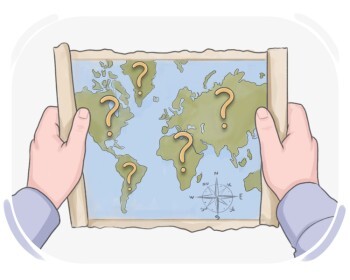
in what place, situation, or position

var, i vilken situation

used for showing the place where a person or thing comes from
från, ur
Hon kommer från en liten stad i Mellanvästern.
used to inquire information about someone or something
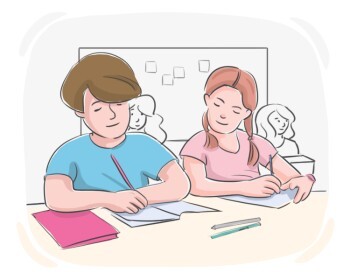
someone who is or was in the same class as you at school or college
klasskamrat, skolkamrat
Han studerade ofta med sina klasskamrater i biblioteket under tentaveckan.
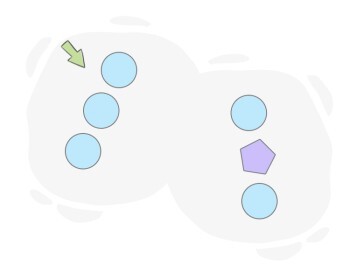
like another thing or person in every way
samma, likadan
used to emphasize a fact or the truth of a situation
egentligen, faktiskt
Den gamla byggnaden, som troddes vara övergiven, är faktiskt ett blomstrande konststudio.

to tell someone our name so they can know us, or to tell them someone else's name so they can know each other, normally happening in the first meeting
presentera

the complete name of a person that includes their first name, middle name, and last name
fullständigt namn, för- och efternamn
Kan du bekräfta ditt fullständiga namn för protokollet?
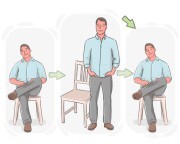

the scientific study of living organisms; the science that studies living organisms
biologi, livsvetenskap
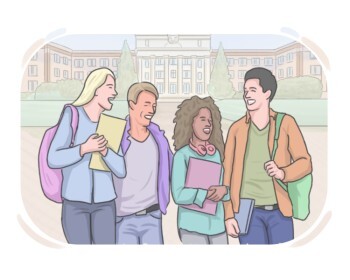
a person who is studying at a school, university, or college
student, elev

used by a speaker or writer to refer to themselves as the subject of a verb
jag

(second-person pronoun) used for referring to the one or the people we are writing or talking to
du, ni

(subjective third-person singular pronoun) used when referring to a male human or animal that was already mentioned or one that is easy to identify
han

(subjective third-person singular pronoun) used when referring to a female human or animal that was already mentioned or one that is easy to identify
hon
(subjective third-person singular pronoun) used when referring to something or an animal as the subject of a sentence
den, det
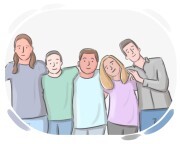
(subjective first-person plural pronoun) used by a speaker when they want to talk or write about themselves and at least one other person
vi

(subjective third-person plural pronoun) used when referring to the things or people that were already mentioned
de
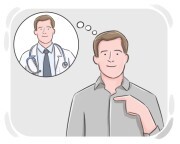
used when naming, or giving description or information about people, things, or situations
vara, befinna sig
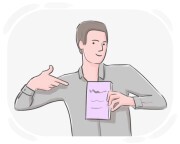
(first-person singular possessive determiner) of or belonging to the speaker or writer
min, mina
Kan jag låna tillbaka min penna, snälla?

(second-person possessive determiner) of or belonging to the person or people being spoken or written to
din, er
Har du sett din telefon någonstans?
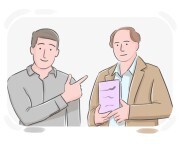
(third-person singular possessive determiner) of or belonging to a man or boy who has already been mentioned or is easy to identify
hans, sin
Tom frågade om han kunde låna sin brors cykel.
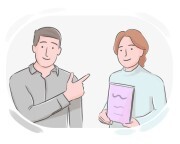
(third-person singular possessive determiner) of or belonging to a female human or animal that was previously mentioned or one that is easy to identify
hennes, sin
Jag berömde henne för hennes vackra klänning.

(third-person singular possessive determiner) of or belonging to a thing or an animal or child of unknown sex
dess, sin
Företaget tillkännagav sin nya produktlinje.

(first-person plural possessive determiner) of or belonging to a speaker when they want to talk or write about themselves and at least one other person
vår, vårt
Vi behöver uppdatera vårt familjefotoalbum.
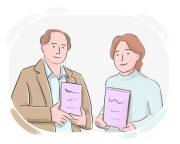
(third-person plural possessive determiner) of or belonging to people, animals, or things that have already been mentioned or are easy to identify
deras
Vandrarna slog upp sina tält nära sjön.
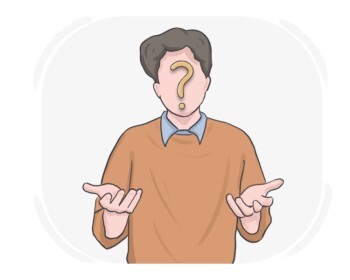
used in questions to ask about the name or identity of one person or several people
vem
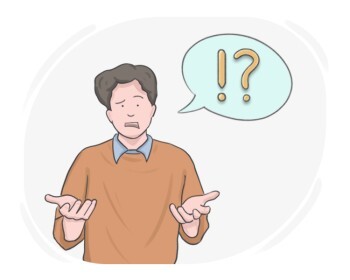
used in questions to ask for information or for someone's opinion
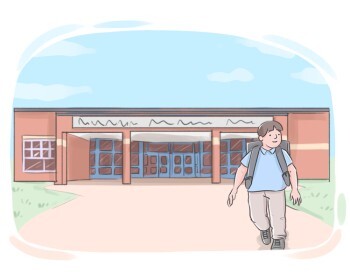
a place where children learn things from teachers
skola, utbildningsanstalt
a particular area of study that students learn about in school, such as math, science, history, or arts
skolämne, ämne
Varje skolämne kräver olika studietekniker.
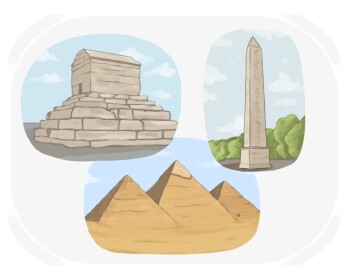
the study of past events, especially as a subject in school or university
historia, världshistoria

the academic study or analysis of written works, especially in the humanities
litteratur, litteraturvetenskap
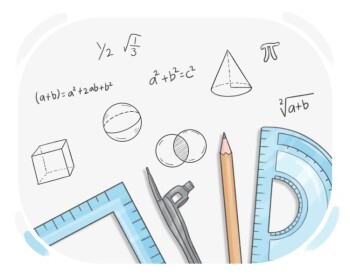
the study of numbers and shapes that involves calculation and description
matematik, matte
De använder en miniräknare för att hjälpa till med komplexa matematik beräkningar.
