
Cartea Interchange - Pre-intermediar - Unitatea 1 - Partea 1
Aici veți găsi vocabularul din Unitatea 1 - Partea 1 din manualul Interchange Pre-Intermediate, cum ar fi "actually", "introduce", "biology" etc.
Revizuire
Fișe de studiu
Ortografie
Chestionar
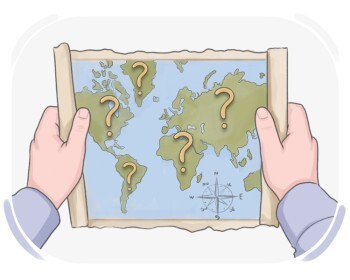
in what place, situation, or position

unde, în ce situație
Știi unde pot găsi un restaurant bun?

used for showing the place where a person or thing comes from
de la, din
Am primit o scrisoare de la verișorul meu din Australia.
used to inquire information about someone or something
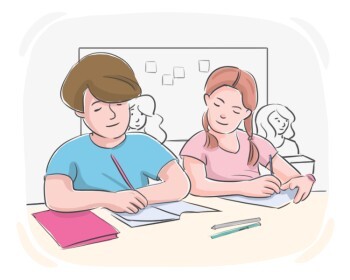
someone who is or was in the same class as you at school or college
coleg de clasă, condiscipol
La reuniunea clasei, foștii colegi de clasă și-au amintit experiențele și realizările comune.
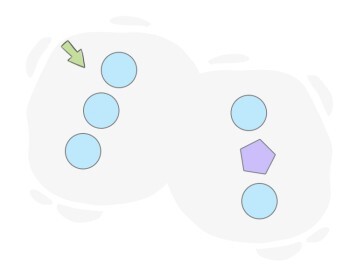
like another thing or person in every way
același, la fel
Au adoptat același tip de câine de la adăpost.
used to emphasize a fact or the truth of a situation
de fapt, efectiv
Poate suna a clișeu, dar, de fapt, visele ne pot influența emoțiile și gândurile.

to tell someone our name so they can know us, or to tell them someone else's name so they can know each other, normally happening in the first meeting
prezenta
Pot să te prezint colegilor mei de clasă?

the complete name of a person that includes their first name, middle name, and last name
numele complet, nume și prenume
Vă rugăm să furnizați numele complet pe formular.
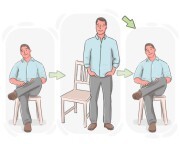
for one more instance
din nou, iarăși
Și-a cerut scuze pentru greșeală și a promis că nu se va întâmpla din nou.

the scientific study of living organisms; the science that studies living organisms
biologie, știința vieții
Ea a dezvoltat un interes puternic pentru biologie și a decis să urmeze o carieră în medicină.
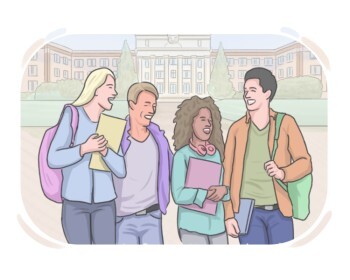
a person who is studying at a school, university, or college
student, elev
Ea studiază diligent pentru a se pregăti pentru examenele sale ca studentă.

(subjective first-person singular pronoun) used by the speaker to refer to themselves when they are the subject of the sentence
eu
Eu mă bucur să citesc cărți în timpul liber.

(second-person pronoun) used for referring to the one or the people we are writing or talking to
tu, voi
Îți place înghețata de ciocolată?

(subjective third-person singular pronoun) used when referring to a male human or animal that was already mentioned or one that is easy to identify
el
El merge la magazin pentru a cumpăra alimente.

(subjective third-person singular pronoun) used when referring to a female human or animal that was already mentioned or one that is easy to identify
ea
Ea studiază medicina la universitate.
(subjective third-person singular pronoun) used when referring to something or an animal as the subject of a sentence
el, ea
Se pare că computerul nu funcționează corect.
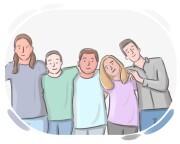
(subjective first-person plural pronoun) used by a speaker when they want to talk or write about themselves and at least one other person
noi
Noi mergem la plajă în acest weekend.

(subjective third-person plural pronoun) used when referring to the things or people that were already mentioned
ei/ele
Știi unde au mers ei după petrecere?
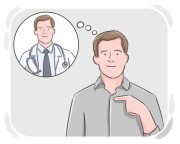
used when naming, or giving description or information about people, things, or situations
a fi, a se afla

(first-person singular possessive determiner) of or belonging to the speaker or writer
meu, mea
Aceasta este casa mea.

(second-person possessive determiner) of or belonging to the person or people being spoken or written to
tău, dumneavoastră
Acesta este rucsacul tău?
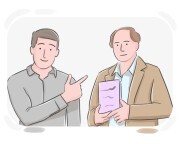
(third-person singular possessive determiner) of or belonging to a man or boy who has already been mentioned or is easy to identify
lui, său
John și-a purtat pălăria lui preferată la petrecere.

(third-person singular possessive determiner) of or belonging to a female human or animal that was previously mentioned or one that is easy to identify
ei, a sa
Ea și-a pus geaca înainte de a pleca de acasă.

(third-person singular possessive determiner) of or belonging to a thing or an animal or child of unknown sex
său, sa
Copacul și-a pierdut frunzele toamna.

(first-person plural possessive determiner) of or belonging to a speaker when they want to talk or write about themselves and at least one other person
nostru, noastră
Să contribuim cu toții la nostru proiect comunitar.

(third-person plural possessive determiner) of or belonging to people, animals, or things that have already been mentioned or are easy to identify
lor
Studenții sunt mândri de realizările lor.

used in questions to ask about the name or identity of one person or several people
cine
Cine sunt acei oameni care stau în spate ?
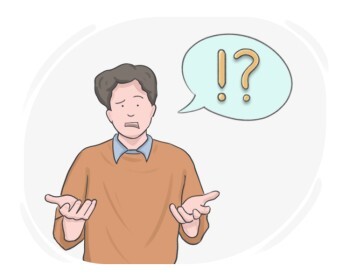
used in questions to ask for information or for someone’s opinion
ce, care
Care este capitala Franței?
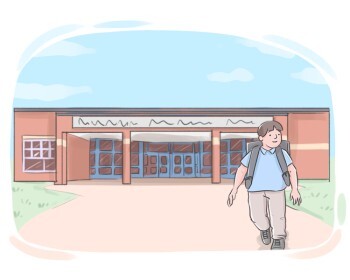
a place where children learn things from teachers
școală, instituție de învățământ
Copiii mei merg la școală pentru a învăța lucruri noi și a-și face prieteni.
a particular area of study that students learn about in school, such as math, science, history, or arts
materie școlară, disciplină școlară
Matematica este materia ei preferată de școală.
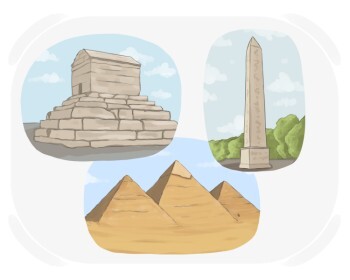
the study of past events, especially as a subject in school or university
istorie, istorie mondială
Îmi place să studiez istoria pentru a afla despre evenimentele semnificative care au modelat lumea noastră.

the academic study or analysis of written works, especially in the humanities
literatură, știința literaturii
Ea s-a specializat în literatură comparată.
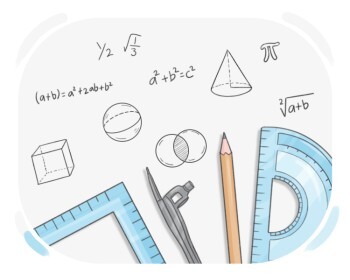
the study of numbers and shapes that involves calculation and description
matematică, mate
Puteți să-mi explicați acest concept de matematică?
