
Interchange - Pre-intermediate - Unit 1 - Part 1
Here you will find the vocabulary from Unit 1 - Part 1 in the Interchange Pre-Intermediate coursebook, such as "actually", "introduce", "biology", etc.
Review
Flashcards
Spelling
Quiz


in what place, situation, or position

used for showing the place where a person or thing comes from
used to inquire information about someone or something

someone who is or was in the same class as you at school or college
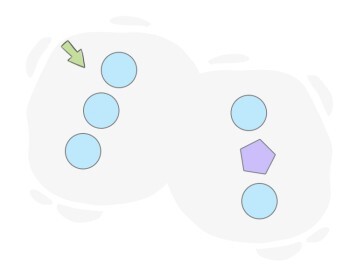
like another thing or person in every way
used to emphasize a fact or the truth of a situation

to tell someone our name so they can know us, or to tell them someone else's name so they can know each other, normally happening in the first meeting

the complete name of a person that includes their first name, middle name, and last name
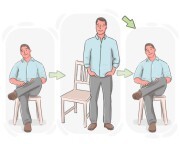
for one more instance

the scientific study of living organisms; the science that studies living organisms

a person who is studying at a school, university, or college

(subjective first-person singular pronoun) used by the speaker to refer to themselves when they are the subject of the sentence

(second-person pronoun) used for referring to the one or the people we are writing or talking to

(subjective third-person singular pronoun) used when referring to a male human or animal that was already mentioned or one that is easy to identify

(subjective third-person singular pronoun) used when referring to a female human or animal that was already mentioned or one that is easy to identify

(subjective third-person singular pronoun) used when referring to something or an animal as the subject of a sentence

(subjective first-person plural pronoun) used by a speaker when they want to talk or write about themselves and at least one other person

(subjective third-person plural pronoun) used when referring to the things or people that were already mentioned

used when naming, or giving description or information about people, things, or situations

(first-person singular possessive determiner) of or belonging to the speaker or writer

(second-person possessive determiner) of or belonging to the person or people being spoken or written to

(third-person singular possessive determiner) of or belonging to a man or boy who has already been mentioned or is easy to identify

(third-person singular possessive determiner) of or belonging to a female human or animal that was previously mentioned or one that is easy to identify

(third-person singular possessive determiner) of or belonging to a thing or an animal or child of unknown sex

(first-person plural possessive determiner) of or belonging to a speaker when they want to talk or write about themselves and at least one other person

(third-person plural possessive determiner) of or belonging to people, animals, or things that have already been mentioned or are easy to identify

used in questions to ask about the name or identity of one person or several people

used in questions to ask for information or for someone’s opinion

a place where children learn things from teachers
a particular area of study that students learn about in school, such as math, science, history, or arts
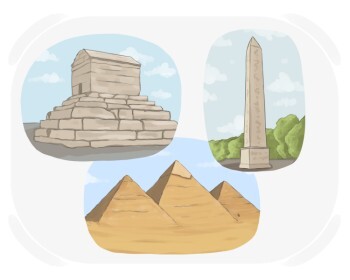
the study of past events, especially as a subject in school or university

the academic study or analysis of written works, especially in the humanities
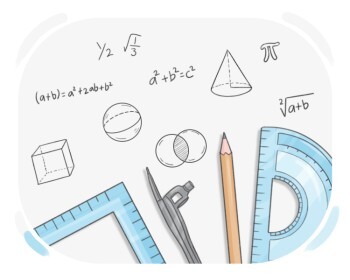
the study of numbers and shapes that involves calculation and description
