
Vocabulaire Avancé pour le TOEFL - Haine et Affection
Ici, vous apprendrez quelques mots anglais sur la haine ou l'affection, tels que "exécrable", "odieux", "supporter", etc., qui sont nécessaires pour l'examen TOEFL.
Réviser
Flashcards
Orthographe
Quiz


a strong and natural liking or sympathy toward someone or something

affinité
Son affinité pour les animaux l'a conduit à faire du bénévolat au refuge local chaque week-end.
strongly opposed to something
opposé à
Elle était réticente à l'idée de déménager dans une nouvelle ville.
having a strong liking or admiration for something
passionné
La direction innovante du film a laissé les critiques enchantés tout au long de la critique.
filled with delight and amazement by something and giving it all one's attention
fasciné
Il traversa le jardin dans un état envoûté, perdu dans ses pensées.
arousing intense dislike or hatred
exécrable, ignoble, odieux
Elle considérait la trahison comme un acte exécrable.
(of an idea, intention, or act) deserving of admiration and praise, regardless of success
louable
Son dévouement au service communautaire est vraiment louable.
deserving praise or compensation
méritant
Son dévouement à ses études a abouti à des réalisations académiques méritoires et à des bourses.
causing or capable of provoking a sensation of disgust or nausea
écoeurant, qui soulève le cœur
Le mélange nauséabond de nourriture pourrie dans le restaurant abandonné créait une odeur étouffante et désagréable.

extremely unpleasant or rude
odieux
Les commentaires odieux faits par le client ont offensé le caissier.
extremely unpleasant and deserving strong hatred
odieux
Il a commis un acte odieux qui a choqué la communauté.
having a particular liking or preference for someone or something
avoir un faible pour, friand
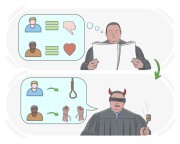
holding opinions or judgments influenced by personal bias rather than objective reasoning
qui a des préjugés, qui a des idées préconçues
L'article semblait préjugé, ignorant les points de vue opposés.
extremely unpleasant and disgusting
répugnant
Son comportement répugnant envers les autres lui a valu une réputation de tyran.
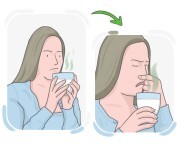
extremely repulsive and disgusting
dégoûtant, écœurant, ignoble
Son comportement révoltant lors de la fête, y compris des remarques grossières et offensantes, l'a placé au centre des critiques.
feeling or showing contempt or disrespect
méprisant
Ses remarques méprisantes ont embarrassé toute l'équipe.
(always negative) to tolerate someone or something
supporter, tolérer
Je ne pouvais pas supporter le bruit constant du chantier à côté, alors j'ai décidé de déménager dans un quartier plus calme.
something that is gravely hated and disapproved of
odieux
L'idée de tricher était une anathème pour lui.
strong hostility, opposition, or anger
animosité
L'animosité a augmenté entre les pays voisins après des années d'escarmouches frontalières et de rhétorique enflammée des deux dirigeants.
a strong feeling of hatred, opposition, or hostility
antipathie
Son antipathie pour les bruits forts était bien connue parmi ses amis.
a strong tendency to do something or a fondness for something
penchant
Son penchant pour l'aventure motive ses voyages.
a tendency or need that makes one want to do something, often something considered morally wrong
propension, inclination, tendance
a feeling of hatred and a desire to harm others, especially because of unjust treatment received
rancœur, rancune, amertume
La rancoeur de longue date entre les deux nations a empêché tout progrès diplomatique significatif.
someone who dislikes, distrusts, or hates other human beings
misanthrope
Les misanthropes croient que les gens sont largement égoïstes, malhonnêtes, cruels, avides ou indignes de confiance.
someone who despises women or assumes men are much better
misogyne
Son comportement au bureau a révélé ses vraies couleurs en tant que misogyne.
an individual who is avoided and not liked, accepted, or respected by society or a group of people
paria
Le paria dans le roman vivait comme un exclu, déconnecté de la société qui l'avait rejeté.
a strongly committed supporter of a person, party, cause, or group, often showing bias in its favor
partisan
