

pattern

Vocabulário Avançado para o TOEFL - Ódio ou Afeto

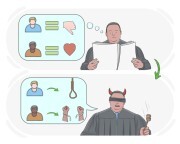
Aqui você aprenderá algumas palavras em inglês sobre ódio ou afeto, como "execrável", "odioso", "tolerar", etc., que são necessárias para o exame TOEFL.

Revisar

Flashcards

Ortografia

Quiz

Começar a aprender
Advanced Words Needed for TOEFL
affinity
affinity
[substantivo]

a strong and natural liking or sympathy toward someone or something

afinidade, simpatia natural

afinidade, simpatia natural

Ex: She felt an instant affinity with the new student, recognizing a shared love for literature. 
Fechar
Entrar
averse
averse
[adjetivo]

strongly opposed to something

relutante, oposto

relutante, oposto

Ex: He is averse to eating spicy foods and prefers mild dishes. 
Fechar
Entrar
enamored
enamored
[adjetivo]

having a strong liking or admiration for something

enamorado, encantado

enamorado, encantado

Ex: The city’s vibrant arts scene made him enamored from the moment he arrived. 
Fechar
Entrar
entranced
entranced
[adjetivo]

filled with delight and amazement by something and giving it all one's attention

encantado, fascinado

encantado, fascinado

Ex: The entranced crowd watched in silence as the magician performed. 
Fechar
Entrar
execrable
execrable
[adjetivo]

arousing intense dislike or hatred

execrável, detestável

execrável, detestável

Ex: The tyrant's execrable crimes shocked the world. 
Fechar
Entrar
laudable
laudable
[adjetivo]

(of an idea, intention, or act) deserving of admiration and praise, regardless of success

louvável

louvável

Ex: His teachers always said he had a laudable passion for learning. 
Fechar
Entrar
meritorious
meritorious
[adjetivo]

deserving praise or compensation

meritório, digno de louvor

meritório, digno de louvor

Ex: The firefighter's actions during the rescue operation were considered meritorious, earning him the highest honor in the department. 
Fechar
Entrar
nauseating
nauseating
[adjetivo]

causing or capable of provoking a sensation of disgust or nausea

nauseante, repugnante

nauseante, repugnante

Ex: The movie’s nauseating scenes of graphic violence were too much for some viewers. 
Fechar
Entrar
obnoxious
obnoxious
[adjetivo]

extremely unpleasant or rude

odioso, desagradável

odioso, desagradável

Ex: His obnoxious behavior at the party ruined the mood for everyone. 
Fechar
Entrar
odious
odious
[adjetivo]

extremely unpleasant and deserving strong hatred

odioso, repugnante

odioso, repugnante

Ex: The dictator's policies were widely regarded as odious. 
Fechar
Entrar
partial
partial
[adjetivo]

liking someone or something, or having an interest in them

parcial, inclinado

parcial, inclinado

Ex: She is partial to classic literature, always recommending old novels to her friends. 
Fechar
Entrar
prejudiced
prejudiced
[adjetivo]

holding opinions or judgments influenced by personal bias rather than objective reasoning

preconceituoso, parcial

preconceituoso, parcial

Ex: His review was prejudiced, favoring his friend's work unfairly. 
Fechar
Entrar
repugnant
repugnant
[adjetivo]

extremely unpleasant and disgusting

repugnante, nojento

repugnante, nojento

Ex: The very thought of cruelty to animals is repugnant to me. 
Fechar
Entrar
revolting
revolting
[adjetivo]

extremely repulsive and disgusting

repugnante, nojento

repugnante, nojento

Ex: The revolting conditions in the abandoned building were a health hazard. 
Fechar
Entrar
scornful
scornful
[adjetivo]

feeling or showing contempt or disrespect

desdenhoso, desprezível

desdenhoso, desprezível

Ex: She gave him a scornful glance and walked away. 
Fechar
Entrar
to abide
to abide
[verbo]

(always negative) to tolerate someone or something

suportar, tolerar

suportar, tolerar

Ex: The manager made it clear that the company could not abide unethical behavior. 
Fechar
Entrar
to revile
to revile
[verbo]

to criticize someone or something in a harsh insulting manner

injuriar, vilipendiar

injuriar, vilipendiar

Fechar
Entrar
anathema
anathema
[substantivo]

something that is gravely hated and disapproved of

anátema, abominação

anátema, abominação

Ex: Lying was an anathema to her strict moral code. 
Fechar
Entrar
animosity
animosity
[substantivo]

strong hostility, opposition, or anger

animadversão, hostilidade

animadversão, hostilidade

Ex: There was long-standing animosity between the two families stemming from a property dispute decades ago. 
Fechar
Entrar
antipathy
antipathy
[substantivo]

a strong feeling of hatred, opposition, or hostility

antipatia, aversão

antipatia, aversão

Ex: She felt a deep antipathy toward the new policy. 
Fechar
Entrar
cordiality
cordiality
[substantivo]

the quality of being agreeable and pleasant, but polite and formal

cordialidade

cordialidade

Fechar
Entrar
disdain
disdain
[substantivo]

the feeling that someone or something is not worthy of respect or consideration

desdém, desprezo

desdém, desprezo

Fechar
Entrar
penchant
penchant
[substantivo]

a strong tendency to do something or a fondness for something

predileção

predileção

Ex: She has a penchant for making people laugh. 
Fechar
Entrar
proclivity
proclivity
[substantivo]

a tendency or need that makes one want to do something, often something considered morally wrong

propensão, inclinação

propensão, inclinação

Fechar
Entrar
enmity
enmity
[substantivo]

a sentiment of hatred or hostility

inimizade, hostilidade

inimizade, hostilidade

Fechar
Entrar
rancor
rancor
[substantivo]

a feeling of hatred and a desire to harm others, especially because of unjust treatment received

rancor, ressentimento

rancor, ressentimento

Ex: Despite attempts at reconciliation, the siblings couldn't let go of their rancor toward each other. 
Fechar
Entrar
misanthrope
misanthrope
[substantivo]

someone who dislikes, distrusts, or hates other human beings

misantropo, pessoa que odeia ou despreza a humanidade

misantropo, pessoa que odeia ou despreza a humanidade

Ex: The crotchety old man was known around town as a misanthrope who constantly complained about others. 
Fechar
Entrar
misogynist
misogynist
[substantivo]

someone who despises women or assumes men are much better

misógino, machista

misógino, machista

Ex: The conference on women's rights was disrupted by a group of misogynists. 
Fechar
Entrar
pariah
pariah
[substantivo]

an individual who is avoided and not liked, accepted, or respected by society or a group of people

pária, excluído

pária, excluído

Ex: She felt like a pariah at the party because of her controversial opinions on politics. 
Fechar
Entrar
partisan
partisan
[substantivo]

a devoted and often biased supporter of a cause, political party, or leader

partidário, adepto

partidário, adepto

Ex: The debate grew heated as partisans defended their candidates with zeal. 
Fechar
Entrar
LanGeek
Baixar o aplicativo LanGeek