
Vocabular Avansat pentru TOEFL - Ura sau Afecțiune
Aici vei învăța câteva cuvinte în engleză despre ură sau afecțiune, cum ar fi "execrable", "odious", "abide" etc., care sunt necesare pentru examenul TOEFL.
Revizuire
Fișe de studiu
Ortografie
Chestionar


a strong and natural liking or sympathy toward someone or something

afinitate, simpatie naturală
Ea a simțit o afinitate instantanee cu noul student, recunoscând o dragoste comună pentru literatură.
strongly opposed to something
reticent, opus
El este reticent să mănânce mâncare picantă și preferă preparatele blânde.
having a strong liking or admiration for something
îndrăgostit, fermecat
Scena artistică vibrantă a orașului l-a îndrăgit din momentul în care a sosit.
filled with delight and amazement by something and giving it all one's attention
fermecat, incantat
Publicul fermecat a urmărit în tăcere cum magicianul se desfășura.
arousing intense dislike or hatred
execrabil, detestabil
Crimele execrabile ale tiranului au șocat lumea.
(of an idea, intention, or act) deserving of admiration and praise, regardless of success
lăudabil
Profesorii lui spuneau întotdeauna că are o pasiune lăudabilă pentru învățare.
deserving praise or compensation
meritoriu, vrednic de laudă
Acțiunile pompierului în timpul operațiunii de salvare au fost considerate meritorii, câștigându-i cel mai înalt onor din departament.
causing or capable of provoking a sensation of disgust or nausea
grețos, scârbos
Scenele greață provocatoare de violență grafică din film au fost prea mult pentru unii spectatori.

extremely unpleasant or rude
supărător, nepoliticos
Comportamentul său supărător la petrecere a stricat atmosfera pentru toată lumea.
extremely unpleasant and deserving strong hatred
odios, scârbos
Politicile dictatorului erau considerate pe scară largă odioase.
liking someone or something, or having an interest in them
parțial, părtinitor
Ea este parțială față de literatura clasică, recomandând întotdeauna vechile romane prietenilor săi.
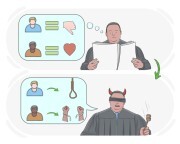
holding opinions or judgments influenced by personal bias rather than objective reasoning
prejudecat, părtinitor
Recenzia lui a fost prejudiciată, favorizând nedrept munca prietenului său.
extremely unpleasant and disgusting
repugnant, dezgustător
Simpla gândire a cruzimii față de animale mi se pare dezgustătoare.
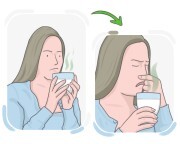
extremely repulsive and disgusting
dezgustător, scârbos
Condițiile revoltătoare din clădirea abandonată erau un pericol pentru sănătate.
feeling or showing contempt or disrespect
disprețuitor, batjocoritor
I-a aruncat o privire disprețuitoare și a plecat.
(always negative) to tolerate someone or something
suporta, tolera
Nu puteam suporta zgomotul constant de pe șantierul din vecinătate, așa că am decis să mă mut într-un cartier mai liniștit.
something that is gravely hated and disapproved of
anatema, scârbă
Minciuna era un anatema pentru codul ei moral strict.
strong hostility, opposition, or anger
animositate, ostilitate
Exista o animositate de lungă durată între cele două familii care a provenit dintr-un conflict de proprietate cu decenii în urmă.
a strong feeling of hatred, opposition, or hostility
antipatie, aversiune
Ea simțea o profundă antipatie față de noua politică.
the quality of being agreeable and pleasant, but polite and formal
cordialitate
the feeling that someone or something is not worthy of respect or consideration
dispreț, desconsiderare
a strong tendency to do something or a fondness for something
înclinație
Ea are o înclinație de a face oamenii să râdă.
a tendency or need that makes one want to do something, often something considered morally wrong
înclinație, tendință
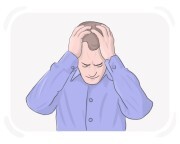
a feeling of hatred and a desire to harm others, especially because of unjust treatment received
ranchiună, resentiment
Răutatea de lungă durată dintre cele două națiuni a împiedicat orice progres diplomatic semnificativ.
someone who dislikes, distrusts, or hates other human beings
misantrop, persoană care urăște sau disprețuiește umanitatea
Bătrânul morocănos era cunoscut în oraș ca un misantrop care se plângea constant de alții.
someone who despises women or assumes men are much better
misogin, șovin masculin
Comportamentul său la birou a dezvaluit adevăratele lui culori ca misogin.
an individual who is avoided and not liked, accepted, or respected by society or a group of people
paria, persoană ostracizată
S-a simțit ca un paria la petrecere din cauza opiniilor sale controversate despre politică.
