
Pokročilá Slovní Zásoba pro TOEFL - Nenávist nebo Náklonnost
Zde se naučíte některá anglická slova o nenávisti nebo náklonnosti, jako jsou "execrable", "odious", "abide" atd., která jsou potřebná pro zkoušku TOEFL.
Revize
Kartičky
Pravopis
Kvíz


a strong and natural liking or sympathy toward someone or something

příbuznost, přirozená sympatie
Cítil hlubokou spřízněnost s přírodou, nacházeje útěchu a inspiraci v kráse venkova.
strongly opposed to something
neochotný, protichůdný
Nejsem proti vyzkoušení nových aktivit, ale dávám přednost něčemu klidnějšímu.
having a strong liking or admiration for something
zamilovaný, okouzlený
Design jejího nového domu ji přiměl cítit se okouzlená každým detailem.
filled with delight and amazement by something and giving it all one's attention
okouzlený, uchvácený
Děti byly okouzleny, oči dokořán údivem.
arousing intense dislike or hatred
odporný, nenáviděný
Odsoudili tuto politiku jako odpornou a nespravedlivou.
(of an idea, intention, or act) deserving of admiration and praise, regardless of success
chvályhodný
Závazek týmu k environmentální udržitelnosti je chvályhodný.
deserving praise or compensation
zasloužilý, chvályhodný
Navzdory četným výzvám zůstal věrný svým zásadám a po celou dobu své kariéry jednal zasloužile.
causing or capable of provoking a sensation of disgust or nausea
nevolnost vyvolávající, odporný
Znechucující zápach z přeplněného odpadkového koše způsobil, že se všichni cítili nevolně.

extremely unpleasant or rude
odporný, neslušný
Otravný zvyk přerušovat ostatní během rozhovorů obtěžoval všechny ve skupině.
extremely unpleasant and deserving strong hatred
odporný, ohavný
Korupce je odporná vlastnost správy.
having a particular liking or preference for someone or something
zaujatý, nakloněný
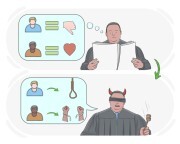
holding opinions or judgments influenced by personal bias rather than objective reasoning
předpojatý, stranický
Soudy se musí vyvarovat předpojatých rozsudků, aby zajistily spravedlnost.
extremely unpleasant and disgusting
odporný, hnusný
Odporné komentáře pronesené v diskusi odhalily hluboce zakořeněné předsudky, které bylo těžké ignorovat.
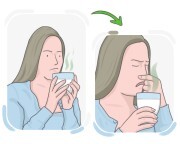
extremely repulsive and disgusting
odporný, hnusný
Odporný zápach zkažené ryby způsobil, že se všichni v místnosti cítili nevolně.
feeling or showing contempt or disrespect
pohrdavý, posměšný
Její posměšný smích bolel víc než jakákoli urážka.
(always negative) to tolerate someone or something
snášet, tolerovat
Manažer jasně řekl, že společnost nemůže tolerovat neetické chování.
something that is gravely hated and disapproved of
anathema, ohavnost
Znečištění je prokletí pro environmentalisty.
strong hostility, opposition, or anger
nepřátelství, zášť
Nemohla skrýt svou nepřátelskost, když byli nuceni spolupracovat.
a strong feeling of hatred, opposition, or hostility
antipatie, odpor
Navzdory své antipatii se dokázali na projektu společně pracovat.
the quality of being agreeable and pleasant, but polite and formal
srdečnost
the feeling that someone or something is not worthy of respect or consideration
opovržení, pohrdání
a strong tendency to do something or a fondness for something
sklon
Má sklon nosit jasné barvy.
a tendency or need that makes one want to do something, often something considered morally wrong
sklon, náklonnost

a feeling of hatred and a desire to harm others, especially because of unjust treatment received
zášť, nenávist
Navzdory pokusům o usmíření se sourozenci nedokázali pustit svou zášť vůči sobě navzájem.
someone who dislikes, distrusts, or hates other human beings
mizantrop, člověk
Po letech zrady přátel a rodiny se stala mizantropem, který nedůvěřoval nikomu ve svém okolí.
someone who despises women or assumes men are much better
misogyn, mužský šovinista
Konference o právech žen byla přerušena skupinou misogynů.
an individual who is avoided and not liked, accepted, or respected by society or a group of people
parij, vyvrhel
Neetické praktiky společnosti z ní udělaly pariu v odvětví, což vedlo k rozsáhlým bojkotům.
a strongly committed supporter of a person, party, cause, or group, often showing bias in its favor
přívrženec
