
Le livre Headway - Avancé - Unité 9
Ici vous trouverez le vocabulaire de l'Unité 9 du manuel Headway Advanced, comme "apprenti", "griffonner", "amok", etc.
Réviser
Flashcards
formes
Orthographe
Quiz

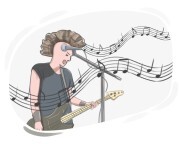

agreement between the sound or the ending of a word and another word

rime
Les poètes utilisent souvent la rime pour créer un rythme dans leurs vers.
a repeated pattern of beats or sounds in music
rhythme
a role or position of guiding or influencing others by taking initiative or setting an example for others to follow
direction, tête
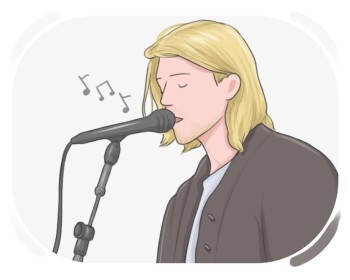
a person who sings, especially as a profession
chanteur, chanteuse
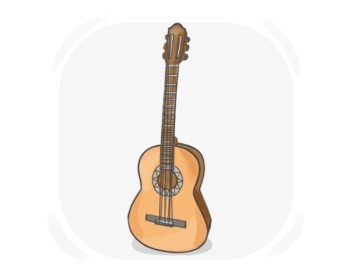
a musical instrument, usually with six strings, that we play by pulling the strings with our fingers or with a plectrum
guitare
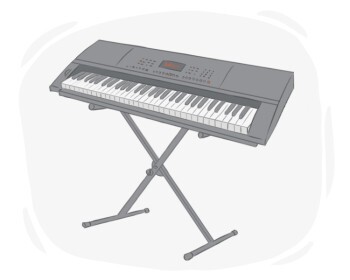
a type of electronic musical instrument with keys like those of a piano, which is able to make many different sounds
clavier
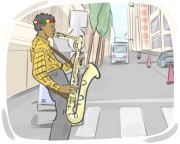
a musician or performer who sings or plays music in public places, such as streets, parks, and squares, often to earn money
chanteur de rue, musicien ambulant
En tant que chanteur de rue, il dépendait des pourboires pour gagner sa vie.
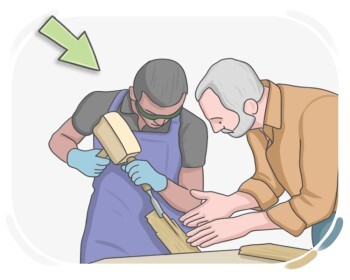
someone who works for a skilled person for a specific period of time to learn their skills, usually earning a low income
apprenti, apprentie
En tant qu'apprentie, elle passait des heures à observer des joailliers qualifiés.
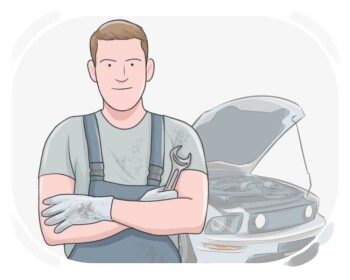
a person whose job is repairing and maintaining motor vehicles and machinery
mécanicien, mécanicienne

a naturally raised area of land that is higher than the land around it, often with a round shape
colline
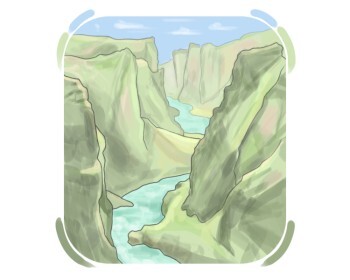
a low area of land between mountains or hills, often with a river flowing through it
vallée
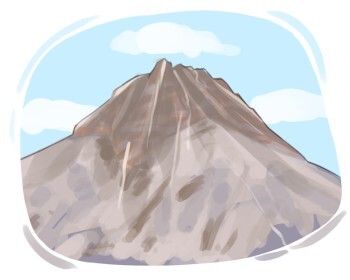
a very tall and large natural structure that looks like a huge hill with a pointed top that is often covered in snow
montagne

a suggestion or thought about something that we could do
idée
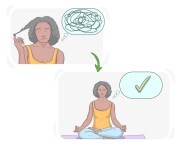
the ability in a person that makes them think, feel, or imagine
esprit
a particular way of seeing or understanding something
point de vue, vision

the common grain that is used in making flour, taken from a cereal grass which is green and tall
blé
Ils ont inclus le blé dans leur alimentation pour ses avantages nutritionnels et sa teneur en fibres.
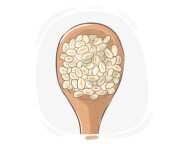
a single seed or grain of the cereal plant barley
orge
Le pain a été fabriqué avec de l'orge entier pour un apport supplémentaire en fibres.

a tall cereal plant that produces large ears containing rows of yellow or white kernels
maïs
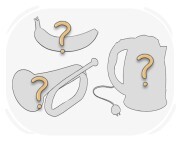
an object that we cannot or do not need to name when we are talking about it
chose
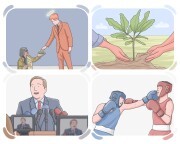
an intentional action, especially one considered morally good or bad
acte, action
a violent and disorderly public disturbance involving a group of people
émeute
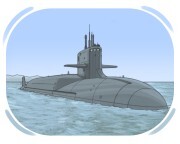
a warship that can operate both on and under water
sous-marin
Les sous-marins ont joué un rôle crucial dans la guerre navale pendant la Seconde Guerre mondiale, perturbant les lignes d'approvisionnement ennemies.
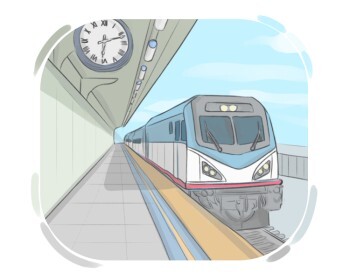
a series of connected carriages that travel on a railroad, often pulled by a locomotive
train
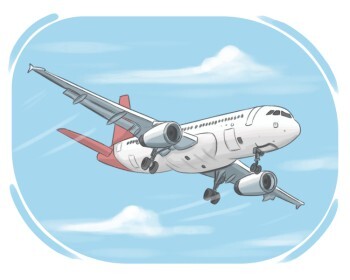
a winged flying vehicle driven by one or more engines
avion
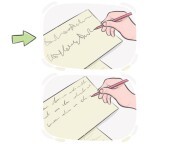
to write something hastily or carelessly in a messy and illegible manner
griffonner, gribouiller
En recevant cette nouvelle excitante, elle ne pouvait contenir son enthousiasme et griffonna rapidement un message à partager avec ses amis.
to hit or drive someone or something against another object or surface with great force
écraser, frapper
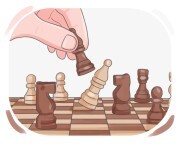
to do something for a special reason
agir
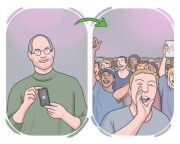
to present, perform, or introduce someone or something to the public for the first time
débuter, lancer
in a chaotic manner, involving reckless or disruptive behavior
de manière déchaînée, en débandade
Les fans sont devenus fous après la victoire surprise de l'équipe, inondant les rues pour célébrer.
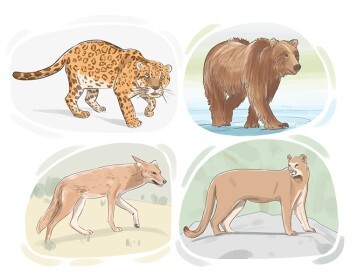
(of an animal or plant) living or growing in a natural state, without any human interference
sauvage
relating to the sense of touch or the ability to perceive objects by touch
tactile
La rétroaction tactile du clavier a aidé la dactylo à maintenir la précision et la vitesse lors de la frappe.
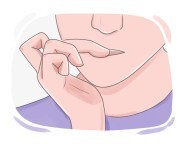
(of a behavior or action) driven by an irresistible urge, often repetitive or excessive
compulsif, irrésistible
Son habitude de shopping compulsif a conduit à des difficultés financières malgré ses efforts pour la contrôler.
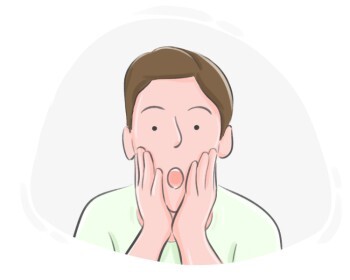
feeling so shocked or surprised that one is incapable of acting in a normal way
abasourdi, stupéfait
Il s'est senti abasourdi lorsqu'il a appris la nouvelle de la mort soudaine de son ami.
related to a distant past
primitif
Les créatures primordiales parcouraient la Terre bien avant que les humains n'existent.
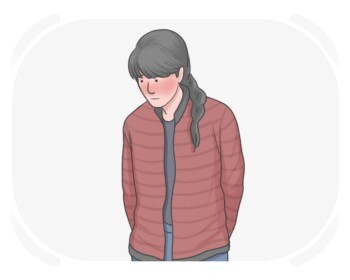
embarrassed or worried about one's appearance or actions
mal à l'aise
Il est devenu gêné quand tous les regards se sont tournés vers lui pendant la présentation, ce qui l'a fait buter sur ses mots.
being in a chaotic or disorganized state
désorganisé, chaotique
Ses pensées étaient désordonnées, ce qui rendait difficile de se concentrer.
the establishment of a legal right or claim to something through long-term use or enjoyment, as defined by law
prescription, usucapion
the quality of acting quickly and without thinking carefully
impétuosité, fougue
Elle a regretté son impétuosité après avoir quitté la réunion en colère.
to move back or away from something, especially to avoid danger or an unpleasant situation
reculer
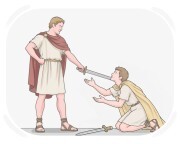
the act or state of yielding to another person's authority, control, or superior power
remise
a feeling of connection or similarity between people, groups, or things, based on shared qualities or experiences
parenté, affinité
La parenté de leurs idées les a fait bien travailler ensemble.
the loud, prolonged cry of an animal, person, or the wind
hurlement, ululement
Elle ne pouvait pas ignorer les hurlements du chien errant devant sa porte.
to cause someone to feel a strong emotion
émouvoir, remuer
to move or push something in a way that causes it to swell, bulge, or curve outward, often like a belly
gonfler, bombarder
Elle regardait le ballon gonfler alors que de l'air y était pompé.
to remind someone of the the past
rappeler, ramener
La vue de l'océan les a ramenés à leur voyage de noces.
to assign someone to assume a particular role and position and take part in a match
faire jouer, positionner
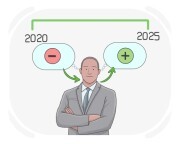
the typical way a person thinks or feels about something or someone, often affecting their behavior and decisions
attitude
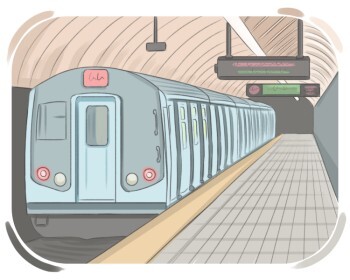
a railway system in which trains travel through tunnels beneath a city
métro, souterrain
a place or building where we can get on or off a train or bus
gare, gare routière, station
a mental condition that happens when the brain is damaged by disease or injury, causing memory loss and impairing the ability to think or make decisions
démence
La démence peut entraîner de la confusion et des difficultés à reconnaître les membres de la famille.
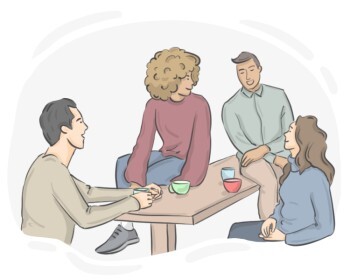
to spend time in a place, often without a specific purpose or activity
passer du temps quelque part sans but précis, traîner dans un endroit
Il a décidé de traîner autour du café pour voir si ses amis se montreraient.
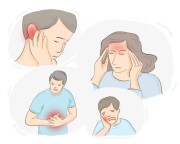
to have an illness or disease
souffrir
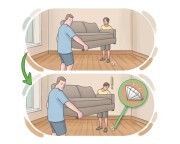
to encounter someone or something unexpectedly
tomber inopinément sur quelqu'un ou quelque chose, découvrir soudainement quelque chose sans le chercher
Lors de notre randonnée, nous sommes tombés sur une magnifique cascade cachée au fond de la forêt.
to provide or fulfill what someone hopes or prays for
