pattern

El libro Headway - Avanzado - Unidad 9

Aquí encontrarás el vocabulario de la Unidad 9 del libro de curso Headway Advanced, como "aprendiz", "garabatear", "amok", etc.

Revisión

Tarjetas de memoria

formas

Ortografía

Cuestionario

Empezar a aprender
Headway - Advanced
song
song
[Sustantivo]

a piece of music that has words

canción

canción

Ex: The band is known for their rock songs with powerful lyrics. 

La banda es conocida por sus canciones rock con letras poderosas.

rhyme
rhyme
[Sustantivo]

agreement between the sound or the ending of a word and another word

rima

rima

Ex: The children enjoyed making up rhymes during their playtime. 

Los niños disfrutaron inventando rimas durante su tiempo de juego.

rhythm
rhythm
[Sustantivo]

a strong repeated pattern of musical notes or sounds

ritmo

ritmo

Ex: The rhythm of the song made everyone want to dance. 

El ritmo de la canción hizo que todos quisieran bailar.

lead
lead
[Sustantivo]

a role or position of guiding or influencing others by taking initiative or setting an example for others to follow

liderazgo, delantera
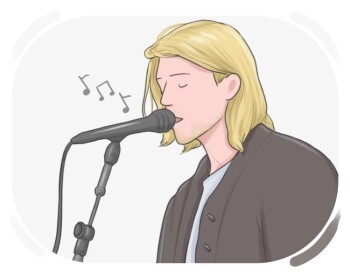
liderazgo, delantera

Ex: The young activist's actions put her in the lead of the environmental movement. 

Las acciones de la joven activista la pusieron al frente del movimiento ambiental.

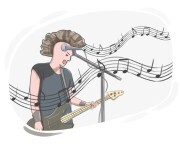
singer
singer
[Sustantivo]

someone whose job is to use their voice for creating music

cantante

cantante

Ex: The lead singer of the band is also its songwriter. 

El cantante principal de la banda también es su compositor.

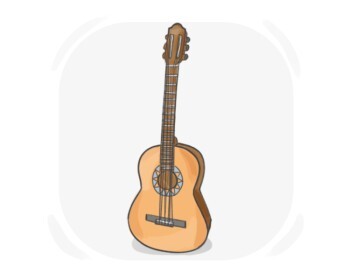
guitar
guitar
[Sustantivo]

a musical instrument, usually with six strings, that we play by pulling the strings with our fingers or with a plectrum

guitarra
guitarra

Ex: They play the guitar together during jam sessions. 

Tocan la guitarra juntos durante las jam sessions.

keyboard
keyboard
[Sustantivo]

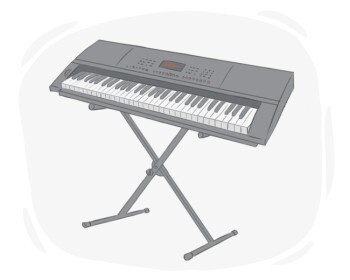
a type of electronic musical instrument with keys like those of a piano, which is able to make many different sounds

teclado
teclado

Ex: The keyboard has a wide range of sounds, from classic piano to electronic beats. 

El teclado tiene una amplia gama de sonidos, desde el piano clásico hasta los ritmos electrónicos.

street singer
street singer
[Sustantivo]

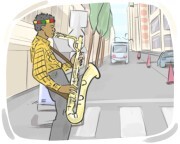
a musician or performer who sings or plays music in public places, such as streets, parks, and squares, often to earn money

cantante callejero, músico ambulante

cantante callejero, músico ambulante

Ex: She was known as the street singer who always performed near the café. 

Era conocida como la cantante callejera que siempre actuaba cerca del café.
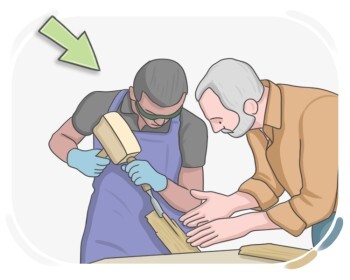
apprentice
apprentice
[Sustantivo]

someone who works for a skilled person for a specific period of time to learn their skills, usually earning a low income

aprendiz

aprendiz

Ex: At the pottery studio, each artist has their own apprentice. 

En el estudio de cerámica, cada artista tiene su propio aprendiz.

mechanic
mechanic
[Sustantivo]

a person whose job is repairing and maintaining motor vehicles and machinery

mecánico

mecánico

Ex: He has been a skilled mechanic for over 20 years. 

Ha sido un mecánico habilidoso durante más de 20 años.

hill
hill
[Sustantivo]

a naturally raised area of land that is higher than the land around it, often with a round shape

monte

monte

Ex: The cycling race included a tough hill climb. 

La carrera ciclista incluía una dura subida de colina.

valley
valley
[Sustantivo]

a low area of land between mountains or hills, often with a river flowing through it

valle

valle

Ex: The valley was covered in a blanket of snow in the winter. 

El valle estaba cubierto por un manto de nieve en el invierno.

mountain
mountain
[Sustantivo]

a very tall and large natural structure that looks like a huge hill with a pointed top that is often covered in snow

montaña

montaña

Ex: The mountain provided a natural barrier between the two valleys. 

La montaña proporcionaba una barrera natural entre los dos valles.

idea
idea
[Sustantivo]

a suggestion or thought about something that we could do

idea
idea

Ex: Let's brainstorm and come up with creative ideas for the marketing campaign. 

Hagamos una lluvia de ideas y propongamos ideas creativas para la campaña de marketing.

mind
mind
[Sustantivo]

the ability in a person that makes them think, feel, or imagine

mente

mente

Ex: His sharp mind allowed him to excel in academic pursuits. 

Su aguda mente le permitió sobresalir en sus actividades académicas.

view
view
[Sustantivo]

a particular way of seeing or understanding something

punto de vista, visión

punto de vista, visión

Ex: He offered a view that considered long-term effects. 

Ofreció un punto de vista que consideraba los efectos a largo plazo.

wheat
wheat
[Sustantivo]

the common grain that is used in making flour, taken from a cereal grass which is green and tall

trigo

trigo

Ex: The farmer harvested wheat from the fields to produce flour for local bakeries. 

El agricultor cosechó trigo de los campos para producir harina para las panaderías locales.

barley
barley
[Sustantivo]

a single seed or grain of the cereal plant barley

cebada

cebada

Ex: Barley grains are often soaked before cooking. 

Los granos de cebada a menudo se remojan antes de cocinar.

corn
corn
[Sustantivo]

a tall plant with large yellow seeds that grow together on a cob, which is cooked and eaten as a vegetable or animal food

maíz

maíz

Ex: The children played in a maze cut into a field of corn. 

Los niños jugaron en un laberinto cortado en un campo de maíz.

thing
thing
[Sustantivo]

an object that we cannot or do not need to name when we are talking about it

cosa
cosa

Ex: She always carries a small thing to write down her thoughts. 

Ella siempre lleva un pequeño objeto para anotar sus pensamientos.

deed
deed
[Sustantivo]

an action or behavior that someone does

acción, hecho

acción, hecho

Ex: The deed was recorded in the history books as a turning point. 

La hazaña fue registrada en los libros de historia como un punto de inflexión.

riot
riot
[Sustantivo]

a situation when a group of people behave violently, particularly as a protest

disturbio

disturbio

Ex: The police were called to the scene to control the riot that had broken out in the city center. 

La policía fue llamada al lugar para controlar el motín que había estallado en el centro de la ciudad.

submarine
submarine
[Sustantivo]

a warship that can operate both on and under water

submarino

submarino

Ex: Crew members aboard the submarine undergo rigorous training to operate and maintain its advanced systems. 

Los miembros de la tripulación a bordo del submarino se someten a un entrenamiento riguroso para operar y mantener sus sistemas avanzados.
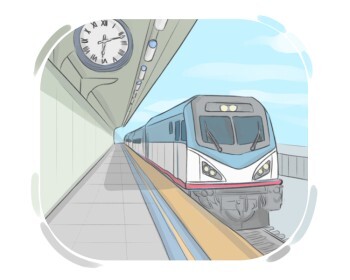
train
train
[Sustantivo]

a series of connected carriages that travel on a railroad, often pulled by a locomotive

tren

tren

Ex: He prefers traveling by train because it’s more relaxing than driving. 

Él prefiere viajar en tren porque es más relajante que conducir.

plane
plane
[Sustantivo]

a winged flying vehicle driven by one or more engines

avión
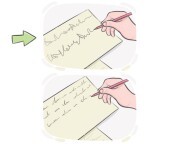
avión

Ex: The noise of the plane taking off echoed across the runway. 

El ruido del avión despegando resonó en la pista.

to scrawl
to scrawl
[Verbo]

to write something hastily or carelessly in a messy and illegible manner

garabatear, escribir apresuradamente

garabatear, escribir apresuradamente

Ex: During the brainstorming session, ideas were scrawled across the whiteboard, creating a visual representation of the creative process. 

Durante la sesión de lluvia de ideas, las ideas fueron garabateadas en la pizarra, creando una representación visual del proceso creativo.

to smash
to smash
[Verbo]

to hit or collide something with great force and intensity

aplastar, destrozar

aplastar, destrozar

Ex: The reckless teenager smashed his parents' car into a telephone pole during the joyride. 

El adolescente imprudente estrelló el coche de sus padres contra un poste de teléfono durante el paseo.

to act
to act
[Verbo]

to do something for a special reason

actuar
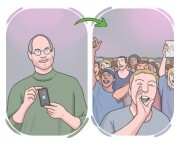
actuar

Ex: The detective had to act swiftly to prevent the suspect from escaping. 

El detective tuvo que actuar con rapidez para evitar que el sospechoso escapara.

to debut
to debut
[Verbo]

to introduce something or someone to the public for the first time

debutar, presentar por primera vez

debutar, presentar por primera vez

Ex: The artist debuted her new collection at the gallery opening. 

La artista debutó su nueva colección en la inauguración de la galería.

amok
amok
[Adverbio]

in a chaotic manner, involving reckless or disruptive behavior

de manera descontrolada, alocadamente

de manera descontrolada, alocadamente

Ex: The party guests went amok once the music started, dancing on tables and tossing confetti. 

Los invitados de la fiesta se volvieron locos una vez que comenzó la música, bailando sobre las mesas y arrojando confeti.
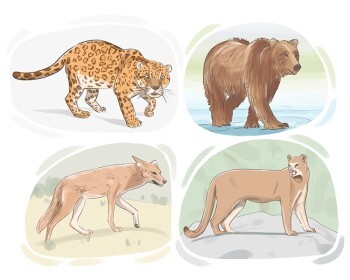
wild
wild
[Adjetivo]

(of an animal or plant) living or growing in a natural state, without any human interference

salvaje

salvaje

Ex: The dense jungle provides shelter for many wild creatures. 

La densa selva proporciona refugio a muchas criaturas salvajes.

tactile
tactile
[Adjetivo]

relating to the sense of touch or the ability to perceive objects by touch

táctil

táctil

Ex: Blind individuals rely heavily on tactile cues to navigate their surroundings and interact with objects. 

Las personas ciegas dependen en gran medida de las señales táctiles para navegar por su entorno e interactuar con los objetos.
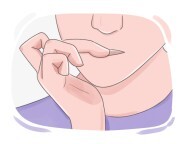
compulsive
compulsive
[Adjetivo]

(of a behavior or action) driven by an irresistible urge, often repetitive or excessive

compulsivo, irresistible

compulsivo, irresistible

Ex: Their compulsive need to constantly check their phone for notifications interfered with their ability to focus on tasks. 

Su necesidad compulsiva de revisar constantemente su teléfono en busca de notificaciones interfería con su capacidad para concentrarse en las tareas.

stunned
stunned
[Adjetivo]

feeling so shocked or surprised that one is incapable of acting in a normal way

aturdido, pasmado

aturdido, pasmado

Ex: The stunned expression on his face revealed his disbelief at the incredible coincidence. 

La expresión aturdido en su rostro reveló su incredulidad ante la increíble coincidencia.

primeval
primeval
[Adjetivo]

related to a distant past

primitivo

primitivo

Ex: The region is home to primeval landscapes that have remained unchanged for millennia. 

La región alberga paisajes primigenios que han permanecido inalterados durante milenios.
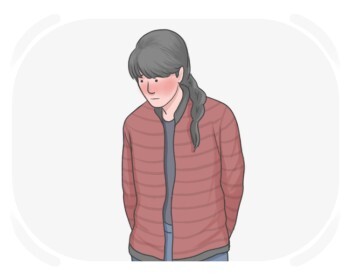
self-conscious
self-conscious
[Adjetivo]

embarrassed or worried about one's appearance or actions

cohibido

cohibido

Ex: As a teenager, she was incredibly self-conscious about her braces and avoided smiling in public. 

De adolescente, era increíblemente cohibida por sus frenos y evitaba sonreír en público.

haywire
haywire
[Adjetivo]

being in a chaotic or disorganized state

desorganizado, caótico

desorganizado, caótico

Ex: The event quickly became haywire as people started to panic. 

El evento rápidamente se volvió caótico cuando la gente empezó a entrar en pánico.

prescription
prescription
[Sustantivo]

the establishment of a legal right or claim to something through long-term use or enjoyment, as defined by law

prescripción, usucapión

prescripción, usucapión

Ex: The farmer established prescription to the stream after decades of irrigation rights. 

El agricultor estableció una prescripción sobre el arroyo después de décadas de derechos de riego.

impetuosity
impetuosity
[Sustantivo]

the quality of acting quickly and without thinking carefully

impulsividad

impulsividad

Ex: Impetuosity often results in mistakes that could be avoided with patience. 

La impetuosidad a menudo resulta en errores que podrían evitarse con paciencia.

to retreat
to retreat
[Verbo]

to move back or withdraw to a safer or more comfortable place, especially to avoid something unpleasant

retirarse, replegarse

retirarse, replegarse

Ex: Birds often retreat to their nests during heavy rain. 

Los pájaros a menudo se retiran a sus nidos durante las fuertes lluvias.

submission
submission
[Sustantivo]

the state or act of accepting defeat and not having a choice but to obey the person in the position of power

sumisión, sometimiento

sumisión, sometimiento

Ex: The conquered nation was brought to submission, agreeing to all the terms imposed by the victors. 

La nación conquistada fue llevada a la sumisión, aceptando todos los términos impuestos por los vencedores.

kinship
kinship
[Sustantivo]

a feeling of connection or similarity between people, groups, or things, based on shared qualities or experiences

parentesco, afinidad

parentesco, afinidad

Ex: They shared a kinship with those who fought for justice. 

Compartían un parentesco con aquellos que lucharon por la justicia.

howling
howling
[Sustantivo]

the loud, prolonged cry of an animal, person, or the wind

aullido, ululato

aullido, ululato

Ex: The blizzard’s howling was so intense it drowned out their voices. 

Los aullidos de la ventisca eran tan intensos que ahogaban sus voces.

to stir
to stir
[Verbo]

to cause a reaction or disturbance in someone's emotional state

conmover, agitar

conmover, agitar

Ex: The unexpected news seemed to stir a mix of excitement and anxiety in the crowd. 

Las noticias inesperadas parecían agitar una mezcla de emoción y ansiedad en la multitud.

to belly
to belly
[Verbo]

to move or push something in a way that causes it to swell, bulge, or curve outward, often like a belly

hinchar, abombar

hinchar, abombar

Ex: The wall bellied out under the weight of the heavy snow. 

El muro se abultaba bajo el peso de la pesada nieve.

to take back

to remind someone of the the past

recordar, remontar

recordar, remontar

Ex: The book's description took her back to the setting of her favorite novel. 

La descripción del libro la transportó al escenario de su novela favorita.

to play
to play
[Verbo]

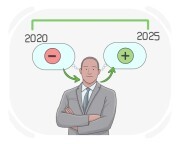
to assign someone to assume a particular role and position and take part in a match

hacer jugar, colocar
hacer jugar, colocar

Ex: The coach played a reliable goalkeeper to secure the team's defense in the match. 

El entrenador hizo jugar a un portero confiable para asegurar la defensa del equipo en el partido.

attitude
attitude
[Sustantivo]

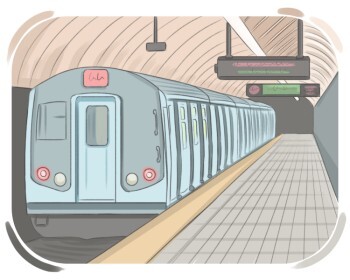
the typical way a person thinks or feels about something or someone, often affecting their behavior and decisions

actitud
actitud

Ex: He approached the project with a can-do attitude, inspiring his team to work diligently towards success. 

Abordó el proyecto con una actitud positiva, inspirando a su equipo a trabajar diligentemente hacia el éxito.

underground
underground
[Sustantivo]

a city's railway system that is below the ground, usually in big cities

metro, subterráneo

metro, subterráneo

Ex: During rush hour, the underground trains can be quite crowded, making it difficult to find a seat. 

Durante la hora pico, los trenes subterráneos pueden estar bastante llenos, lo que dificulta encontrar un asiento.

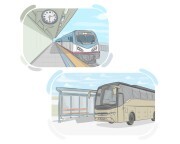
station
station
[Sustantivo]

a place or building where we can get on or off a train or bus

estación

estación

Ex: The subway station is underground and has multiple entrances. 

La estación de metro está bajo tierra y tiene múltiples entradas.

dementia
dementia
[Sustantivo]

a mental condition that happens when the brain is damaged by disease or injury, causing memory loss and impairing the ability to think or make decisions

demencia

demencia

Ex: The doctor explained that dementia can affect both short-term and long-term memory. 

El médico explicó que la demencia puede afectar tanto la memoria a corto como a largo plazo.
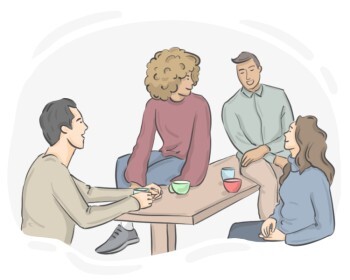
to hang around

to spend time in a place, often without a specific purpose or activity

pasar el rato, quedarse

pasar el rato, quedarse

Ex: On weekends, they often hang around the mall, browsing shops and chatting. 

Los fines de semana, a menudo pasan el rato en el centro comercial, mirando tiendas y charlando.

to suffer
to suffer
[Verbo]

to have an illness or disease

sufrir

sufrir

Ex: Access to quality healthcare is crucial for those who suffer from chronic illnesses, ensuring timely diagnosis and effective treatment. 

El acceso a una atención médica de calidad es crucial para quienes padecen enfermedades crónicas, asegurando un diagnóstico oportuno y un tratamiento efectivo.

to come upon

to encounter someone or something unexpectedly

toparse con, encontrarse con

toparse con, encontrarse con

Ex: The archaeologists came upon ancient artifacts while excavating the site. 

Los arqueólogos se toparon con artefactos antiguos mientras excavaban el sitio.

to [answer] (to all|) {one's} prayers

to provide or fulfill what someone hopes or prays for

Ex: Their generous donation answered the community’s prayers for support. 
LanGeek
Descargar la aplicación LanGeek