
Le livre Four Corners 2 - Unité 5 Leçon C
Ici, vous trouverez le vocabulaire de l'Unité 5 Leçon C du manuel Four Corners 2, comme "protéger", "régime équilibré", "poids", etc.
Réviser
Flashcards
Orthographe
Quiz

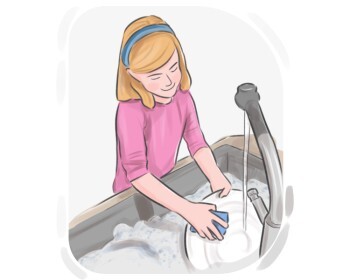
to clean someone or something with water, often with a type of soap

laver
Je dois laver mes chaussures; elles sont sales.
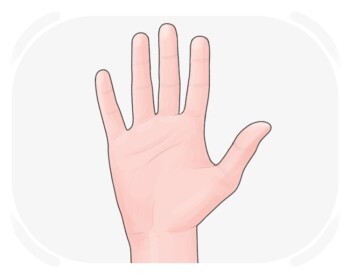
the part of our body that is at the end of our arm and we use to grab, move, or feel things
main
Il a tendu sa main pour serrer la mienne.
to prevent someone or something from being damaged or harmed
protéger
Chaque entreprise se bat pour protéger ses propres intérêts commerciaux.

the thin layer of tissue that covers the body of a person or an animal
peau
Sa peau était claire et tachetée de son temps passé au soleil.
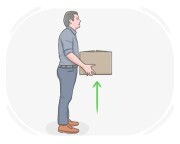
to move a thing from a lower position or level to a higher one
soulever
Le travailleur de la construction soulève des briques lourdes sur l'échafaudage.
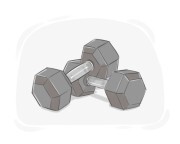
an object that has a certain amount of mass, and is used when exercising or measuring something
poids,masse
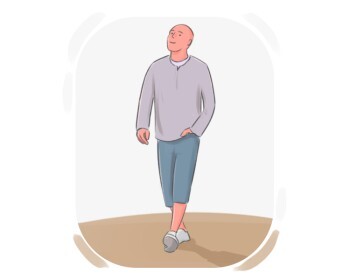
a short journey we take on foot
marche, promenade
Pendant sa pause déjeuner, elle fait souvent une promenade.
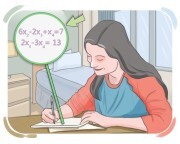
a mental or physical activity that helps keep our mind and body healthy
exercice
L'exercice régulier est important pour votre santé.
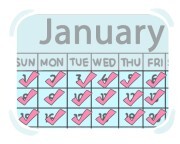
in a way that happens every day or once a day
quotidiennement, tous les jours
Elle étudie ses leçons d'espagnol quotidiennement.
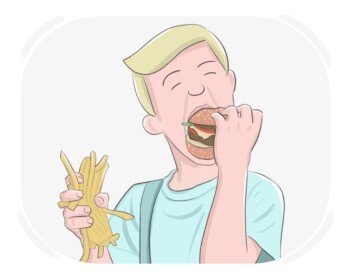
to put food into the mouth, then chew and swallow it
manger
Il était trop occupé pour manger le déjeuner en raison de réunions consécutives.

a diet that includes a variety of foods in appropriate proportions to meet nutritional needs and promote overall health
régime équilibré,alimentation équilibrée
Un régime équilibré implique de consommer des fruits, des légumes, des protéines maigres et des céréales complètes en portions appropriées.
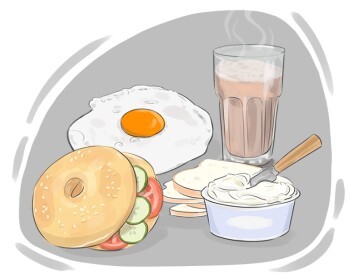
the first meal we have in the early hours of the day
petit-déjeuner
Il a pris un muffin anglais grillé avec des œufs brouillés et une portion de bacon croustillant pour le petit-déjeuner.
to the degree or extent needed for a particular purpose
assez
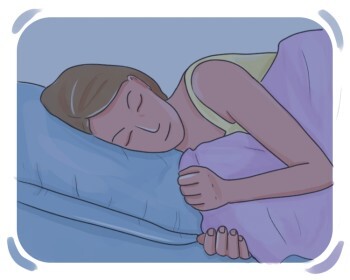
the natural state of resting that involves being unconscious, particularly for several hours every night
sommeil
Elle est tombée dans un sommeil profond après une longue journée de travail.
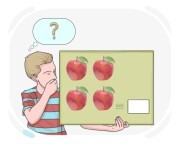
used to talk or ask about the number of things or people that are involved or concerned
combien de,quel nombre de
Je me demandais combien de personnes assisteraient au concert cette année par rapport à l'année dernière.
used to refer to the quantity or amount of something, often used to ask about the extent, degree, or size of a particular thing
combien de,quelle quantité de
Elle se demandait combien de temps il restait jusqu'à la date limite.
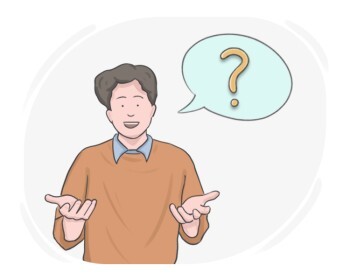
in what manner or in what way
comment
Comment fonctionne cette machine à laver ?
