
Le livre Interchange - Intermédiaire Supérieur - Unité 7 - Partie 1
Ici, vous trouverez le vocabulaire de l'Unité 7 - Partie 1 du manuel Interchange Upper-Intermediate, comme « générer », « famine », « décomposer », etc.
Réviser
Flashcards
formes
Orthographe
Quiz
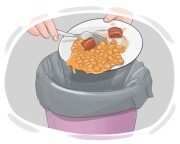
to use something without care or more than needed

gaspiller, gâcher
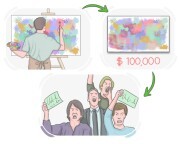
to cause or give rise to something
créer, générer, susciter
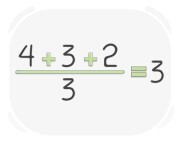
calculated by adding a set of numbers together and dividing this amount by the total number of amounts in that set
moyen
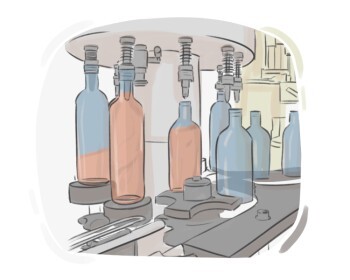
to make something using raw materials or different components
produire
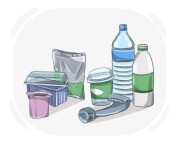
a light substance produced in a chemical process that can be formed into different shapes when heated
plastique

a glass or plastic container that has a narrow neck and is used for storing drinks or other liquids
bouteille
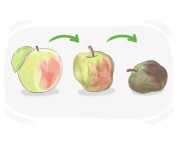
to break down into simpler parts or substances
se décomposer, se dégrader
Le tas de compost est en train de se décomposer, transformant les déchets de cuisine en compost.

to get rid of what is not needed or wanted anymore
jeter quelque chose dont on n'a plus besoin ou qu'on ne veut plus, se débarrasser de quelque chose d'inutile
Elle a décidé de jeter les jouets cassés.

to eventually reach or find oneself in a particular place, situation, or condition, often unexpectedly or as a result of circumstances
finir par, se retrouver finalement
Je n'avais pas l'intention d'acheter quoi que ce soit, mais j'ai fini par quitter le magasin avec un sac plein d'articles.
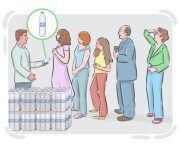
to provide something needed or wanted
fournir, approvisionner
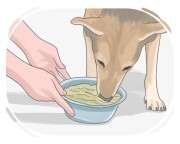
to give food to a person or an animal
donner à manger à
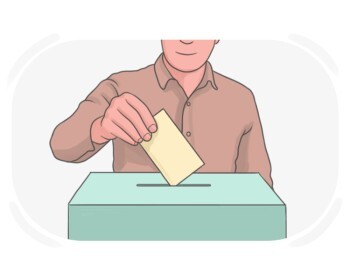
to show which candidate one wants to win in an election or which plan one supports, by marking a piece of paper, raising one's hand, etc.
voter

a group of elected people who govern a city, town, etc.
conseil municipal
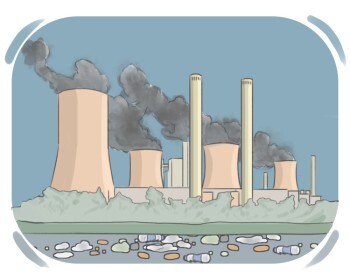
made impure or polluted by harmful substances, bacteria, or viruses
contaminé, pollué
La nourriture a été retirée des étagères après avoir été trouvée contaminée par la salmonelle.
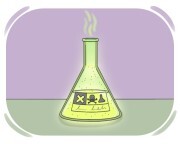
poisonous or capable of causing illness, injury, or death through chemical action
toxique

concerning or used in the scientific field of chemistry
chimique
the absence or insufficiency of something, often implying a deficiency or shortage
manque, déficit
the act of keeping something in good condition or proper working condition
entretien, maintenance
to make someone leave their home by force, particularly because of an unpleasant event
déplacer
Les catastrophes naturelles telles que les ouragans et les inondations ont le pouvoir de déplacer des communautés entières.
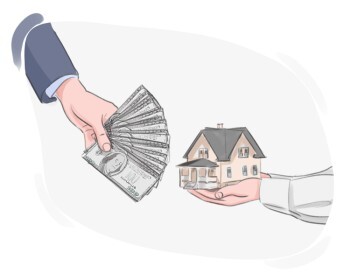
the act of giving money to be able to use something like an apartment, house, car, or special equipment that is owned by another person
location
Ils recherchent une location à court terme pendant la saison des vacances.
as a result of a specific cause or reason
à cause de
L'événement a été annulé en raison de circonstances imprévues.
used to indicate the outcome of a preceding action or situation
en conséquence
L'entreprise a mis en œuvre des mesures de réduction des coûts, et en conséquence, leurs bénéfices ont considérablement augmenté.
used to introduce the reason of something happening
à cause de
Ils ont annulé la fête à cause de la pandémie.

used to indicate movement into one side and out of the opposite side of something
à travers
Ils ont marché à travers le tunnel et se sont retrouvés à la plage.
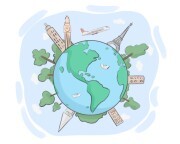
regarding or affecting the entire world
mondial, planétaire
Le changement climatique est un problème mondial qui nécessite une action collective de la part des nations du monde entier.
the state of being without a job
chômage
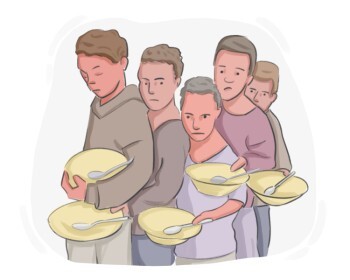
a situation where there is not enough food that causes hunger and death
famine
De nombreux agriculteurs ont perdu leur bétail pendant la famine.
the increase in the average temperature of the Earth as a result of the greenhouse effect
réchauffement de la planète
Réduire les émissions de carbone peut aider à ralentir le réchauffement climatique.

the group of politicians in control of a country or state
gouvernement

dishonest or illegal conduct, especially by people who hold positions of power or authority
corruption
an illness that can be transmitted from one person, animal, or object to another, and can spread quickly through a community
maladie infectieuse, maladie contagieuse
La coopération mondiale est essentielle dans la lutte contre les maladies infectieuses.
a crime that is intentionally directed toward a person or thing to hurt, intimidate, or kill them
violence

related to or involving the governance of a country or territory
politique
Elle a poursuivi une carrière en sciences politiques pour mieux comprendre le fonctionnement du gouvernement et des politiques publiques.
a political situation in which there is anger among the people and protests are likely
agitation, troubles
Les difficultés économiques ont conduit à une augmentation des troubles parmi la population.
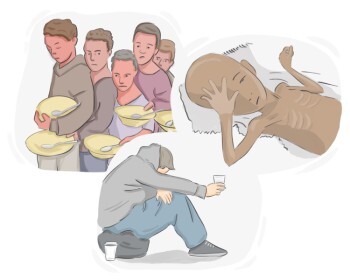
the condition of lacking enough money or income to afford basic needs like food, clothing, etc.
pauvreté
a hard time in a country's economy characterized by a reduction in employment, production, and trade
récession
to move slowly and gently on water or through the air
flotter
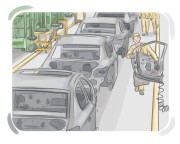
a building or set of buildings in which products are made, particularly using machines
usine
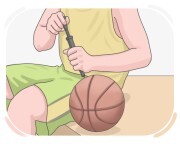
to force a liquid or gas to move in a particular direction by mechanical pressure or suction
pomper

to intentionally pay no or little attention to someone or something
ignorer

a country's rules that all of its citizens are required to obey
loi, législation

the process or act of organizing or managing a group of people or an organization
gestion
information or activities intended to attract public attention to a person, product, event, or cause
publicité, promotion
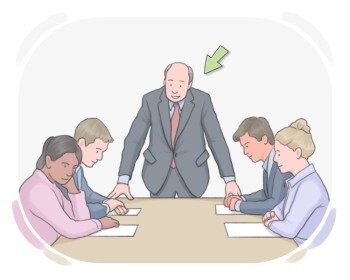
a person in a high-ranking position who is responsible for making important decisions in a company or organization
cadre, dirigeant
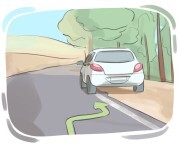
to not move anymore
arrêter, s'arrêter

a scheduled journey by an aircraft
vol
