pattern

Książka Interchange - Średnio zaawansowany wyższy - Jednostka 7 - Część 1

Tutaj znajdziesz słownictwo z Unit 7 - Część 1 w podręczniku Interchange Upper-Intermediate, takie jak "generować", "głód", "rozkładać" itp.

Przegląd

Fiszki

formy

Pisownia

Test
Zacznij naukę
Interchange - Upper-intermediate
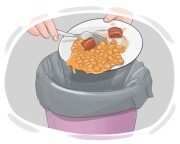
to waste
to waste
[Czasownik]

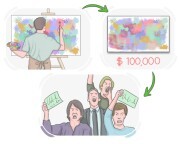
to use something without care or more than needed

marnować,  trwonić
marnować, trwonić

Ex: The company was criticized for its tendency to waste resources without considering environmental impacts. 
to generate
to generate
[Czasownik]

to cause or give rise to something

generować, wytwarzać
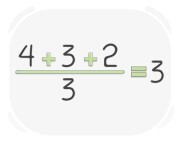
generować, wytwarzać

Ex: The artist's provocative work generated controversy and debate, challenging societal norms and perceptions. 
average
average
[przymiotnik]

calculated by adding a set of numbers together and dividing this amount by the total number of amounts in that set

średni
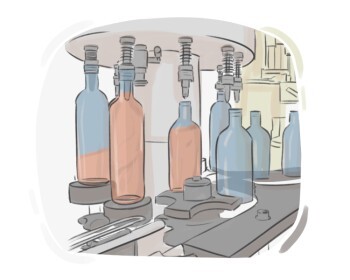
średni

Ex: The average age of the employees in the company is 35 years old. 
to produce
to produce
[Czasownik]

to make something using raw materials or different components

produkować,  wytwarzać
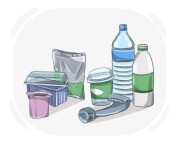
produkować, wytwarzać

Ex: How did you manage to produce a meal so quickly? 
plastic
plastic
[Rzeczownik]

a light substance produced in a chemical process that can be formed into different shapes when heated

plastik

plastik

Ex: Many household items, such as containers and toys, are made from plastic. 
bottle
bottle
[Rzeczownik]

a glass or plastic container that has a narrow neck and is used for storing drinks or other liquids

butelka, flakon
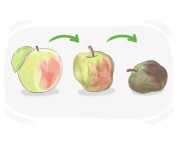
butelka, flakon

Ex: He used a spray bottle to mist the plants with water. 
to decompose
to decompose
[Czasownik]

to break down into simpler parts or substances

rozkładać się, gnuśnieć

rozkładać się, gnuśnieć

Ex: The waste in the landfill was decomposing, releasing gases into the atmosphere. 

Odpady na wysypisku rozkładały się, uwalniając gazy do atmosfery.

to throw away
to throw away
[Czasownik]

to get rid of what is not needed or wanted anymore

wyrzucić coś co nie jest już potrzebne lub chciane, pozbyć się czegoś niepotrzebnego

wyrzucić coś co nie jest już potrzebne lub chciane, pozbyć się czegoś niepotrzebnego

Ex: They were reluctant to throw away sentimental belongings. 

Niechętnie wyrzucali sentymentalne przedmioty.

to end up
to end up
[Czasownik]

to eventually reach or find oneself in a particular place, situation, or condition, often unexpectedly or as a result of circumstances

ostatecznie znaleźć się, skończyć ostatecznie

ostatecznie znaleźć się, skończyć ostatecznie

Ex: Sometimes life takes unexpected turns, and you might end up in a career you hadn't initially considered. 

Czasami życie przybiera nieoczekiwane zwroty akcji i możesz skończyć w karierze, której początkowo nie brałeś pod uwagę.
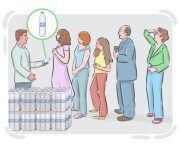
to supply
to supply
[Czasownik]

to provide something needed or wanted

dostarczać, zaopatrywać
dostarczać, zaopatrywać

Ex: The grocery store will supply fresh produce and other essentials to the community. 
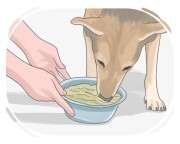
to feed
to feed
[Czasownik]

to give food to a person or an animal

karmić, żywić
karmić, żywić

Ex: During our camping trip, we were warned not to feed the wild animals. 
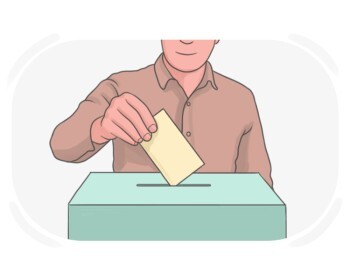
to vote
to vote
[Czasownik]

to show which candidate one wants to win in an election or which plan one supports, by marking a piece of paper, raising one's hand, etc.

głosować, oddawać głos

głosować, oddawać głos

Ex: Citizens regularly vote in elections to choose their representatives. 
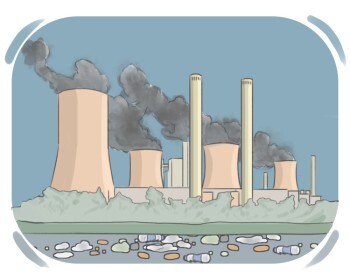
council
council
[Rzeczownik]

a group of elected people who govern a city, town, etc.

rada, zgromadzenie
rada, zgromadzenie

Ex: She was elected to serve on the local council. 
contaminated
contaminated
[przymiotnik]

made impure or polluted by harmful substances, bacteria, or viruses

zanieczyszczony, skażony

zanieczyszczony, skażony

Ex: The contaminated air in the city was filled with pollutants from vehicle emissions and industrial processes. 

Zanieczyszczone powietrze w mieście było pełne zanieczyszczeń z emisji pojazdów i procesów przemysłowych.
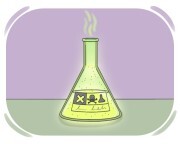
toxic
toxic
[przymiotnik]

poisonous or capable of causing illness, injury, or death through chemical action

toksyczny,  toksyczny

toksyczny, toksyczny

Ex: This plant is toxic to cats and dogs. 
chemical
chemical
[przymiotnik]

concerning or used in the scientific field of chemistry

chemiczny

chemiczny

Ex: Chemical reactions involve the rearrangement of atoms to form new substances. 
lack
lack
[Rzeczownik]

the absence or insufficiency of something, often implying a deficiency or shortage

brak, niedobór

brak, niedobór

Ex: The lack of rainfall this year has affected crop production. 
maintenance
maintenance
[Rzeczownik]

the act of keeping something in good condition or proper working condition

konserwacja, utrzymanie

konserwacja, utrzymanie

Ex: Regular maintenance extends the life of a car. 
to displace
to displace
[Czasownik]

to make someone leave their home by force, particularly because of an unpleasant event

przesiedlać, wysiedlać

przesiedlać, wysiedlać

Ex: War and political unrest in the area have displaced generations of people. 

Wojna i niepokoje polityczne w tym regionie przesiedliły całe pokolenia ludzi.

rental
rental
[Rzeczownik]

the act of giving money to be able to use something like an apartment, house, car, or special equipment that is owned by another person

wynajem

wynajem

Ex: She returned the rental on time to avoid extra fees. 

Zwróciła wynajem na czas, aby uniknąć dodatkowych opłat.

due to
due to
[Przyimek]

as a result of a specific cause or reason

z powodu, z uwagi na

z powodu, z uwagi na

Ex: The increase in prices was due to inflation. 

Wzrost cen był spowodowany inflacją.

as a result
as a result
[przysłówek]

used to indicate the outcome of a preceding action or situation

w rezultacie, w konsekwencji

w rezultacie, w konsekwencji

Ex: Unfortunately, as a result of the delay, the project timeline will need to be adjusted. 

Niestety, w wyniku opóźnienia harmonogram projektu będzie musiał zostać dostosowany.

because of
because of
[Przyimek]

used to introduce the reason of something happening

z powodu, z racji

z powodu, z racji

Ex: He quit his job because of his boss. 

Rzucił pracę z powodu swojego szefa.

through
through
[Przyimek]

used to indicate movement into one side and out of the opposite side of something

przez, przez środek

przez, przez środek

Ex: Water rushed through the pipe and spilled into the reservoir. 

Woda przepłynęła przez rurę i wylała się do zbiornika.

global
global
[przymiotnik]

regarding or affecting the entire world

globalny, światowy

globalny, światowy

Ex: The United Nations works to address global challenges such as poverty, hunger, and human rights violations. 

Organizacja Narodów Zjednoczonych pracuje nad rozwiązaniem globalnych wyzwań, takich jak ubóstwo, głód i naruszenia praw człowieka.
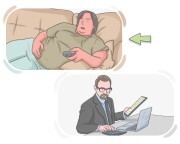
unemployment
unemployment
[Rzeczownik]

the state of being without a job

bezrobocie, brak pracy
bezrobocie, brak pracy

Ex: She struggled with unemployment after being laid off from her job at the factory. 
famine
famine
[Rzeczownik]

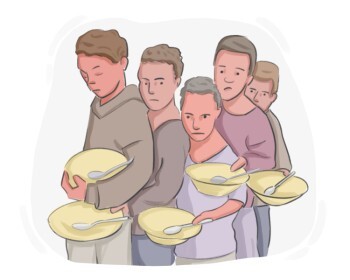
a situation where there is not enough food that causes hunger and death

głód, niedobór żywności

głód, niedobór żywności

Ex: The famine affected both rural and urban areas. 

Głód dotknął zarówno obszary wiejskie, jak i miejskie.

global warming
global warming
[Rzeczownik]

the increase in the average temperature of the Earth as a result of the greenhouse effect

globalne ocieplenie, zmiana klimatu

globalne ocieplenie, zmiana klimatu

Ex: The effects of global warming are evident in changing weather patterns. 

Efekty globalnego ocieplenia są widoczne w zmieniających się wzorcach pogodowych.
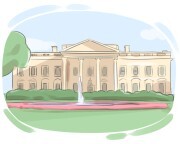
government
government
[Rzeczownik]

the group of politicians in control of a country or state

rząd, administracja

rząd, administracja

Ex: The government implemented new policies to improve the country's healthcare system and make it more accessible to all citizens. 
corruption
corruption
[Rzeczownik]

dishonest or illegal conduct, especially by people who hold positions of power or authority

Ex: Weak oversight allowed corruption to spread through the agency. 
infectious disease
infectious disease
[Rzeczownik]

an illness that can be transmitted from one person, animal, or object to another, and can spread quickly through a community

choroba zakaźna, choroba zaraźliwa

choroba zakaźna, choroba zaraźliwa

Ex: Scientists are researching new treatments for infectious diseases. 

Naukowcy badają nowe metody leczenia chorób zakaźnych.

violence
violence
[Rzeczownik]

a crime that is intentionally directed toward a person or thing to hurt, intimidate, or kill them

przemoc, brutalność
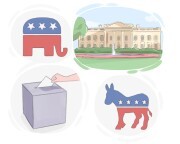
przemoc, brutalność

Ex: He was arrested for using violence against a stranger. 
political
political
[przymiotnik]

related to or involving the governance of a country or territory

polityczny

polityczny

Ex: Political campaigns use various strategies to sway voters and gain public support. 

Kampanie polityczne wykorzystują różne strategie, aby wpłynąć na wyborców i zyskać poparcie publiczne.

unrest
unrest
[Rzeczownik]

a political situation in which there is anger among the people and protests are likely

niepokój, zamieszki

niepokój, zamieszki

Ex: The city was under curfew due to the recent civil unrest. 

Miasto było pod godziną policyjną z powodu ostatnich zamieszek cywilnych.
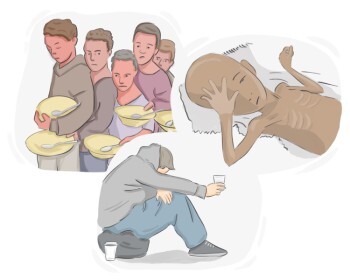
poverty
poverty
[Rzeczownik]

the condition of lacking enough money or income to afford basic needs like food, clothing, etc.

ubóstwo

ubóstwo

Ex: Many families in the area live in poverty and struggle to access basic services. 
recession
recession
[Rzeczownik]

a hard time in a country's economy characterized by a reduction in employment, production, and trade

recesja

recesja

Ex: During the recession, many businesses were forced to close, leading to widespread job losses. 
to float
to float
[Czasownik]

to move slowly and gently on water or through the air

unosić się
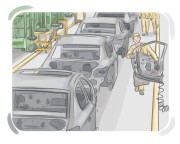
unosić się

Ex: The balloon floated gently above the trees. 
factory
factory
[Rzeczownik]

a building or set of buildings in which products are made, particularly using machines

fabryka, zakład

fabryka, zakład

Ex: The automobile factory produces thousands of cars each month. 
to pump
to pump
[Czasownik]

to force a liquid or gas to move in a particular direction by mechanical pressure or suction

pompować,  tłoczyć

pompować, tłoczyć

Ex: The system is pumping cool air through the building. 
to ignore
to ignore
[Czasownik]

to intentionally pay no or little attention to someone or something

ignorować, nie zwracać uwagi

ignorować, nie zwracać uwagi

Ex: Despite the repeated warnings, he chose to ignore the safety guidelines. 
law
law
[Rzeczownik]

a country's rules that all of its citizens are required to obey

prawo, ustawa

prawo, ustawa

Ex: Breaking the law can result in serious consequences. 
management
management
[Rzeczownik]

the process or act of organizing or managing a group of people or an organization

zarządzanie, kierowanie

zarządzanie, kierowanie

Ex: Effective management is crucial for ensuring that a team meets its goals and operates smoothly. 
publicity
publicity
[Rzeczownik]

information or activities intended to attract public attention to a person, product, event, or cause

reklama,  rozgłos
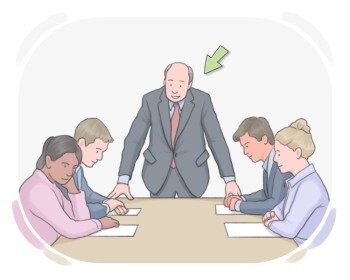
reklama, rozgłos

Ex: Daniel handled publicity for the local music festival. 
executive
executive
[Rzeczownik]

a person in a high-ranking position who is responsible for making important decisions in a company or organization

kierownik, wyższy menedżer
kierownik, wyższy menedżer

Ex: She works as a senior executive in a global firm. 
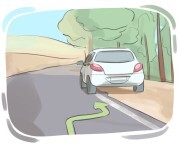
to stop
to stop
[Czasownik]

to not move anymore

zatrzymać się, przestać

zatrzymać się, przestać

Ex: The traffic light turned red, so we had to stop at the intersection. 
flight
flight
[Rzeczownik]

a scheduled journey by an aircraft

lot, podróż lotnicza

lot, podróż lotnicza

Ex: He managed to catch some sleep during the long flight. 
LanGeek
Pobierz aplikację LanGeek