
Le livre Insight - Avancé - Perspective du Vocabulaire 1
Ici, vous trouverez les mots du Vocabulaire Insight 1 dans le manuel Insight Advanced, tels que "aliénation", "enchaînement", "usurpation d'identité", etc.
Réviser
Flashcards
Orthographe
Quiz

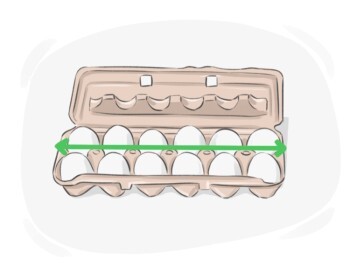
a group of people or objects placed in a line

rang
Elle a soigneusement disposé les livres en une rangée droite sur l'étagère, en les organisant par genre.
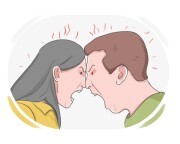
to have a noisy argument
se disputer
Les frères et sœurs se disputaient souvent pour des broutilles, transformant leurs désaccords en querelles bruyantes.

waste material or unwanted objects that are thrown away
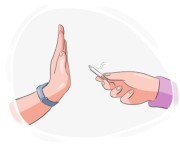
to say or show that one is unwilling to do something
refuser
a role or position of guiding or influencing others by taking initiative or setting an example for others to follow
direction,tête
Lorsque personne ne s'est porté volontaire, il s'est avancé pour prendre le lead.
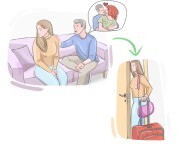
to be the cause of something
conduire,mener
Négliger l'entretien peut conduire à des réparations coûteuses.
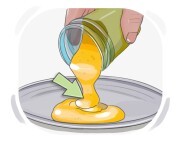
(usually plural) the things that are held, included, or contained within something
contenu
Après avoir secoué le sac, il a deviné son contenu sans l'ouvrir.
to feel satisfied or pleased with someone or something
se contenter,se satisfaire
Il se contenta de regarder le coucher de soleil.
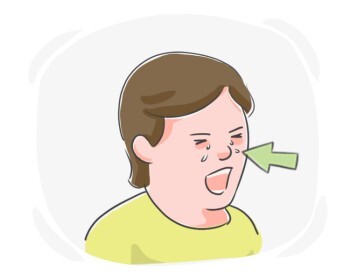
a drop of salty liquid produced by the eyes
larme
Il essuya une larme pendant le film.

to forcibly pull something apart into pieces
déchirer
L'enfant a accidentellement déchiré la page en la tournant dans le livre.
a piece of furniture designed to hold electronic instruments like radios or televisions
console,meuble pour appareils électroniques
Il a placé la radio sur la console près de la fenêtre.
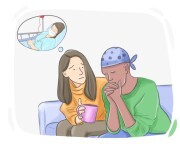
to help a person, who is either disappointed or emotionally suffering, feel better
consoler, réconforter
Ils se sont réunis pour consoler leur ami qui traversait une rupture difficile.

to develop into a more advanced or improved stage
progresser
Alors que l'équipe continuait à collaborer, le prototype progressait vers un produit entièrement fonctionnel.

a non-living thing that one can touch or see
objet
Elle a trouvé un objet brillant enterré dans le sable en marchant le long de la plage.
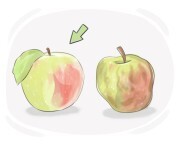
completely without mistakes or flaws, reaching the best possible standard
parfait
Jimmy est l'étudiant parfait, toujours attentif en classe.

to move someone or something from one place, position, or system to another
transférer
a continuation of a line of poetry to the next without a pause or punctuation at the end
enjambement,rejet
Elle admirait les enjambements qui reliaient les vers de manière fluide.
involving behaviors, actions, or decisions that are morally wrong
contraire à l'éthique,non éthique
L'entreprise a fait face à un contrecoup pour ses pratiques commerciales non éthiques.
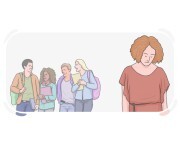
to treat a person, group, or concept as insignificant or of secondary or minor importance
marginaliser
Les personnes de couleur sont souvent marginalisées dans les médias grand public, ce qui conduit à une sous-représentation et à des stéréotypes.
the act of pretending to be someone else, often with the intent to deceive or mislead others
imitation,usurpation d'identité
Elle a été prise pour usurpation d'identité pendant l'examen.

with the use of computers or electronic devices
numériquement,de manière numérique
Le document a été signé numériquement à l'aide d'une signature électronique.
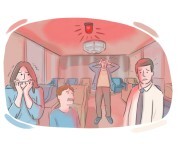
in a manner that causes sudden concern or fear
de manière alarmante,alarmant
Le patient a commencé à respirer alarmante vite après l'injection.

in accordance with methods, beliefs, or customs that have remained unchanged for a long period of time
traditionnellement
Dans de nombreuses cultures, les mariages sont traditionnellement accompagnés de rituels spécifiques.
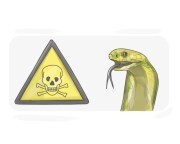
in a manner expressing the capability or likelihood of something happening or developing in the future
potentiellement
Elle est potentiellement éligible à la bourse en fonction de ses réalisations académiques.
the process or act of subjecting someone to harm, mistreatment, or abuse
victimisation,persécution
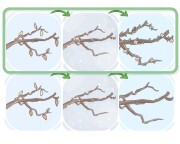
for a limited period of time
temporairement, provisoirement
Il a travaillé temporairement comme consultant pour le projet.
in a way that is related to someone's mind or emotions
psychologiquement
Le traumatisme l'a affectée psychologiquement, influençant ses pensées et ses émotions.
in a way that is related to money or its management
financièrement
Il a investi judicieusement et est devenu indépendant financièrement.
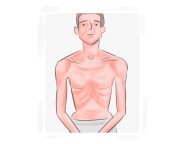
used to refer to someone who is extremely thin, often in an unattractive and unhealthy way
la peau sur les os, maigre comme un clou
(of two things) to be closely connected to one another, particularly in a way that one of them causes the occurrence of another

to help a person get out of a situation that involves danger or difficulty
sauver la peau de quelqu'un, tirer quelqu'un d'un mauvais pas
Tu lui as sauvé la peau en le prévenant avant l'arrivée de la police.

to become extremely scared or surprised, causing a strong physical reaction
sursauter de peur, bondir de frayeur
Elle a sursauté quand le chat a traversé la pièce en courant.
a subject over which people disagree
pomme de discorde, sujet de désaccord
La place de parking reste une pomme de discorde entre les voisins.
about to happen very soon
to not hesitate to do or say what one truly wants
ne pas y aller par quatre chemins, le dire franchement
Il n'a pas caché qu'il voulait le poste le plus élevé.
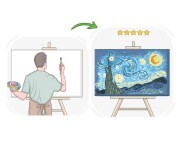
to make a major change in the appearance, character, nature, or function of someone or something
transformer

to learn of and confirm the facts about something through calculation or research
déterminer
Les analystes déterminent souvent les tendances du marché en étudiant les indicateurs économiques.

to give something a particular form
modeler, sculpter, façonner, couper
L'artiste a soigneusement formé les détails de la peinture.

to go back to a previous state, condition, or behavior
retomber en
Malgré ses progrès, il est occasionnellement revenu à ses anciennes habitudes.

to improve the quality, value, or effectiveness of someone or something
augmenter le volume
L'exercice régulier peut améliorer la condition physique et la santé globale.
a sense of discontent, particularly towards a governing system
mécontentement
Après le scandale, il y avait un mécontentement notable parmi les citoyens envers leurs élus.
the act or process of separating a person, group, or thing from others
isolement

a close relationship in which there is a good understanding and communication between people
entente
L'enseignant a travaillé dur pour établir un rapport avec chaque élève dans la classe, créant un environnement d'apprentissage favorable où chacun se sentait valorisé et compris.
an organization of people who have a common purpose
association, club, groupe
De nombreux professionnels rejoignent une association pour réseauter et partager des connaissances.
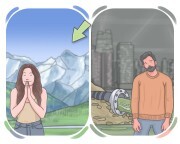
the feeling of being happy or comfortable in a specific situation or group
appartenance, sentiment d'appartenance
L'atmosphère inclusive de l'école a favorisé un fort sentiment d'appartenance parmi son corps étudiant diversifié.
the feeling that one is different from others and therefore not part of a particular group
aliénation
Les différences culturelles peuvent parfois conduire à des sentiments d'aliénation parmi les immigrants.
the act of repeating a word or phrase in a passage as a rhetorical device
répétition
a literary device where human qualities or characteristics are attributed to non-human entities, objects, or ideas
personnification
Son essai a analysé la personnification de l'espoir dans le dernier chapitre du roman.
a figure of speech that combines two contradictory or contrasting terms to create a unique expression
oxymoron
Sa description du « silence assourdissant » dans la pièce est un oxymore qui souligne la tension et l'immobilité après la dispute.
a question that is not meant to be answered, but is instead used to make a point or to create emphasis or effect
question rhétorique,interrogation rhétorique
L'orateur a posé une question rhétorique pour engager le public plus efficacement.
the figurative language in literature by which the audience can form vivid mental images
imagerie
