pattern

Kniha Insight - Pokročilý - Pochopení Slovní Zásoby 1

Zde najdete slova z Vocabulary Insight 1 v učebnici Insight Advanced, jako je "odcizení", "pokračování", "zastupování" atd.

Revize

Kartičky

tvary

Pravopis

Kvíz

Začněte se učit
Insight - Advanced
row
row
[Podstatné jméno]

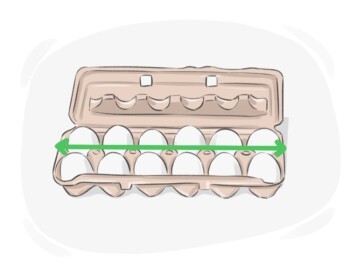
a group of people or objects placed in a line

řada, řádek

řada, řádek

Ex: During the game , the fans cheered enthusiastically from the front row, eager to support their team .

Během hry fandili fanoušci nadšeně z přední řady, dychtivě podporují svůj tým.

to row
to row
[sloveso]

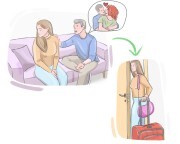
‌to have a noisy argument

hádkat se, přít se

hádkat se, přít se

Ex: The coworkers were known to row occasionally , creating tension in the office with their heated disputes .

Spolupracovníci byli známí tím, že občas hádali, což vytvářelo v kanceláři napětí jejich vášnivými spory.

refuse
refuse
[Podstatné jméno]

unwanted materials or items that have been discarded

odpad,  smetí
odpad, smetí

to refuse
to refuse
[sloveso]

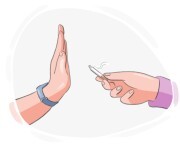
to say or show one's unwillingness to do something that someone has asked

odmítnout, odříci

odmítnout, odříci

Ex: He had to refuse the invitation due to a prior commitment .

Musel odmítnout pozvání kvůli předchozímu závazku.

lead
lead
[Podstatné jméno]

a role or position of guiding or influencing others by taking initiative or setting an example for others to follow

vedení, přední pozice
vedení, přední pozice

Ex: By taking the lead, she inspired the rest of the team to act.

Tím, že převzala vedení, inspirovala zbytek týmu k jednání.

to lead
to lead
[sloveso]

to be the cause of something

vést k, způsobit
vést k, způsobit

Ex: Ignoring climate change can lead to catastrophic consequences .

Ignorování změny klimatu může vést ke katastrofálním následkům.

content
content
[Podstatné jméno]

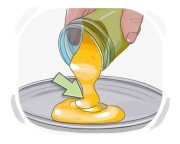
(usually plural) the things that are held, included, or contained within something

obsah, obsahy

obsah, obsahy

Ex: She poured the contents of the jar into the mixing bowl.

Nalila obsah sklenice do mísy na míchání.

to content
to content
[sloveso]

to feel satisfied or pleased with someone or something

spokojit se, uspokojit se
spokojit se, uspokojit se

Ex: He contented himself with reading a few pages before bed .

Spokojil se s přečtením několika stránek před spaním.

tear
tear
[Podstatné jméno]

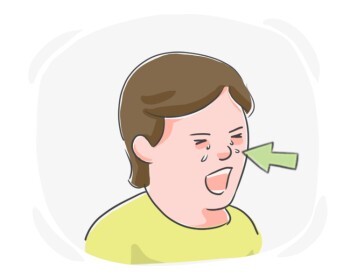
a drop of salty liquid produced by the eyes

slza, pláč

slza, pláč

Ex: His cheeks were wet with tears after laughing.

Jeho tváře byly mokré od slz po smíchu.

to tear
to tear
[sloveso]

to forcibly pull something apart into pieces

trhat, roztrhat

trhat, roztrhat

Ex: In excitement , they tore the gift wrap to see the contents .

V nadšení roztrhali dárkový obal, aby viděli obsah.

console
console
[Podstatné jméno]

a piece of furniture designed to hold electronic instruments like radios or televisions

konzole, nábytek pro elektronické přístroje

konzole, nábytek pro elektronické přístroje

Ex: She dusted the console before turning on the radio .

Před zapnutím rádia oprášila konzoli.

to console
to console
[sloveso]

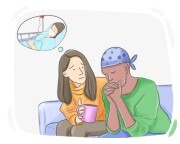
to help a person, who is either disappointed or emotionally suffering, feel better

utěšit, uklidnit

utěšit, uklidnit

Ex: The team consoled each other after a tough loss .

Tým se vzájemně utěšoval po těžké prohře.

to progress
to progress
[sloveso]

to develop into a more advanced or improved stage

pokročit, vyvíjet se

pokročit, vyvíjet se

Ex: The student 's understanding of complex concepts progressed as they delved deeper into their academic studies .

Porozumění studenta složitým pojmům pokročilo, když se ponořil hlouběji do svých akademických studií.

object
object
[Podstatné jméno]

a non-living thing that one can touch or see

předmět, objekt
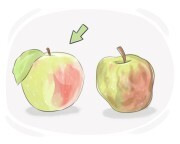
předmět, objekt

Ex: The detective carefully examined the crime scene , looking for any objects that might provide clues .

Detektiv pečlivě prozkoumal místo činu, hledal jakékoli předměty, které by mohly poskytnout stopy.

perfect
perfect
[Přídavné jméno]

completely without mistakes or flaws, reaching the best possible standard

dokonalý, bezchybný

dokonalý, bezchybný

Ex: She 's the perfect fit for the team with her positive attitude .

Je perfektní volbou pro tým se svým pozitivním přístupem.

to transfer
to transfer
[sloveso]

to make a person or thing move from a place, situation, or person to another

převést, přemístit

převést, přemístit

Ex: The software developer had to transfer code snippets from one section of the program to another .

Vývojář softwaru musel přenést fragmenty kódu z jedné části programu do druhé.

run-on
run-on
[Podstatné jméno]

a continuation of a line of poetry to the next without a pause or punctuation at the end

enjambement, pokračování bez pauzy

enjambement, pokračování bez pauzy

Ex: In her poetry, run-ons often mirror the unending rush of emotions.

V její poezii enjambementy často odrážejí nekonečný proud emocí.

unethical
unethical
[Přídavné jméno]

involving behaviors, actions, or decisions that are morally wrong

neetický, nemorální

neetický, nemorální

Ex: She believed it was unethical to manipulate data to meet the research criteria .

Myslela si, že je neetické manipulovat s daty, aby splnila výzkumná kritéria.

to marginalize

to treat a person, group, or concept as insignificant or of secondary or minor importance

marginalizovat, odstrkovat

marginalizovat, odstrkovat

Ex: By marginalizing diverse perspectives , we limit our ability to address complex social issues effectively .

Marginalizováním různých perspektiv omezujeme naši schopnost efektivně řešit složité sociální problémy.

impersonation
impersonation
[Podstatné jméno]

the act of pretending to be someone else, often with the intent to deceive or mislead others

napodobení, krádež identity

napodobení, krádež identity

Ex: Impersonations at the talent show were the highlight of the night .

Napodobování v talentové show bylo vrcholem večera.

digitally
digitally
[Příslovce]

with the use of computers or electronic devices

digitálně, digitálním způsobem

digitálně, digitálním způsobem

Ex: The alarm system is monitored digitally through a network of sensors .

Alarmový systém je monitorován digitálně prostřednictvím sítě senzorů.
alarmingly
alarmingly
[Příslovce]

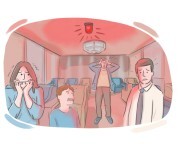
in a manner that causes sudden concern or fear

alarmujícím způsobem, znepokojivě

alarmujícím způsobem, znepokojivě

Ex: The building shook alarmingly during the minor quake .

Budova se během malého zemětřesení znepokojivě třásla.

traditionally
traditionally
[Příslovce]

in accordance with methods, beliefs, or customs that have remained unchanged for a long period of time

tradičně, podle tradice

tradičně, podle tradice

Ex: The garment was traditionally worn by brides in that culture .

Oděv byl tradičně nošen nevěstami v té kultuře.
potentially
potentially
[Příslovce]

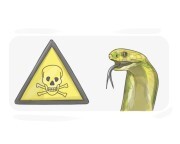
in a manner expressing the capability or likelihood of something happening or developing in the future

potenciálně, pravděpodobně

potenciálně, pravděpodobně

Ex: The data breach could potentially lead to a loss of sensitive information .

Únik dat by mohl potenciálně vést ke ztrátě citlivých informací.

victimization
victimization
[Podstatné jméno]

the process or act of subjecting someone to harm, mistreatment, or abuse

viktimizace, pronásledování
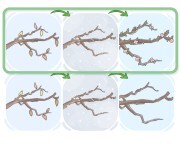
viktimizace, pronásledování

temporarily
temporarily
[Příslovce]

for a limited period of time

dočasně, prozatímně

dočasně, prozatímně

Ex: She stayed temporarily at a friend 's place during the transition .

Během přechodu dočasně bydlela u přítele.

violation
violation
[Podstatné jméno]

the act of breaking a legal code

porušení, trestný čin

porušení, trestný čin

psychologically
psychologically
[Příslovce]

in a way that is related to someone's mind or emotions

psychologicky, z psychologického hlediska

psychologicky, z psychologického hlediska

Ex: The stress management program aimed to help individuals cope psychologically with life challenges .

Program zvládání stresu měl za cíl pomoci jednotlivcům psychologicky zvládat životní výzvy.

financially
financially
[Příslovce]

in a way that is related to money or its management

finančně, z finančního hlediska

finančně, z finančního hlediska

Ex: They planned their expenses carefully to live financially comfortably .

Pečlivě plánovali své výdaje, aby žili finančně pohodlně.
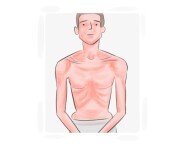
skin and bone

used to refer to someone who is extremely thin, often in an unattractive and unhealthy way

Ex: He looked at his emaciated body in the mirror nothing but skin and bone.
to [save] {one's} [skin|neck|hide|bacon]

to help a person get out of a situation that involves danger or difficulty

Ex: He was willing to cooperate with the authorities to save his bacon and avoid prosecution.
to [jump|leap] out of {one's} skin

to become extremely scared or surprised, causing a strong physical reaction

Ex: Every time the thunder cracked, the dog jumped out of its skin.
bone of contention

a subject over which people disagree

Ex: When negotiating the contract, the compensation package emerged as the primary bone of contention, delaying the agreement between the employer and the candidate.
close at hand

about to happen very soon

Ex: With the election close at hand, the candidates intensified their campaigns.
to [make] no bones about {sth}

to not hesitate to do or say what one truly wants

Ex: The professor made no bones about the difficulty of the upcoming exam, warning the students to prepare thoroughly.
to transform
to transform
[sloveso]

to change the appearance, character, or nature of a person or object

přeměnit, transformovat

přeměnit, transformovat

Ex: The new hairstyle had the power to transform her entire look and boost her confidence .

Nový účes měl sílu proměnit její celkový vzhled a posílit její sebevědomí.

to determine
to determine
[sloveso]

to learn of and confirm the facts about something through calculation or research

určit, stanovit

určit, stanovit

Ex: Right now , the researchers are actively determining the impact of the new policy .

Právě teď výzkumníci aktivně určují dopad nové politiky.

to shape
to shape
[sloveso]

to give something a particular form

tvarovat, utvářet

tvarovat, utvářet

Ex: The designer shaped the metal into a sleek , modern sculpture .

Designér tvaroval kov do elegantní, moderní sochy.

to revert
to revert
[sloveso]

to go back to a previous state, condition, or behavior

vrátit se, návrat

vrátit se, návrat

Ex: After a period of stability , his health began to revert to its previous precarious state .

Po období stability se jeho zdraví začalo vracet do předchozího nejistého stavu.

to enhance
to enhance
[sloveso]

to better or increase someone or something's quality, strength, value, etc.

vylepšit, posílit

vylepšit, posílit

Ex: Educational programs aim to enhance students ' knowledge and learning experiences .

Vzdělávací programy mají za cíl zlepšit znalosti a učební zkušenosti studentů.

disaffection
disaffection
[Podstatné jméno]

a sense of discontent, particularly towards a governing system

nespokojenost, odcizení

nespokojenost, odcizení

Ex: The teacher ’s disaffection with the administration 's policies led to her resignation .

Nespokojenost učitelky s politikou vedení vedla k její rezignaci.

isolation
isolation
[Podstatné jméno]

the act of to physically or socially separating someone or something from others

izolace

izolace

Ex: The researchers studied the effects of isolation on mental health .

Výzkumníci studovali účinky izolace na duševní zdraví.

rapport
rapport
[Podstatné jméno]

a close relationship in which there is a good understanding and communication between people

vztah

vztah

Ex: Team-building activities are often used in workplaces to strengthen rapport among employees , fostering collaboration and synergy in achieving common goals .

Aktivity týmové budování se často používají na pracovištích k posílení rapportu mezi zaměstnanci, podporují spolupráci a synergii při dosahování společných cílů.

association
association
[Podstatné jméno]

an organization of people who have a common purpose

asociace, organizace

asociace, organizace

Ex: Associations often offer workshops and conferences to their members .

Asociace často nabízejí svým členům workshopy a konference.

belonging
belonging
[Podstatné jméno]

the feeling of being happy or comfortable in a specific situation or group

příslušnost, pocit sounáležitosti

příslušnost, pocit sounáležitosti

Ex: Volunteering at the animal shelter provided her with a sense of belonging and fulfillment as she connected with like-minded individuals.

Dobrovolnictví v útulku pro zvířata jí poskytlo pocit sounáležitosti a naplnění, když se spojila s podobně smýšlejícími lidmi.

alienation
alienation
[Podstatné jméno]

‌the feeling that one is different from others and therefore not part of a particular group

odcizení, izolace

odcizení, izolace

Ex: As new policies were introduced , employees felt increasing alienation from management .

S představením nových politik zaměstnanci pociťovali rostoucí odcizení od vedení.

repetition
repetition
[Podstatné jméno]

the act of repeating a word or phrase in a passage as a rhetorical device

opakování, repetic

opakování, repetic

personification
personification
[Podstatné jméno]

a literary device where human qualities or characteristics are attributed to non-human entities, objects, or ideas

zosobnění, ztělesnění

zosobnění, ztělesnění

Ex: She used personification to depict the flowers as dancing in the breeze .

Použila personifikaci, aby zobrazila květiny tančící ve větru.

oxymoron
oxymoron
[Podstatné jméno]

a figure of speech that combines two contradictory or contrasting terms to create a unique expression

oxymóron, protimluv

oxymóron, protimluv

Ex: The poet 's use of " cruel kindness " as an oxymoron underscores the paradoxical nature of actions meant to help but causing pain .

Básníkovo použití "kruté laskavosti" jako oxymóronu zdůrazňuje paradoxní povahu činů, které mají pomáhat, ale způsobují bolest.

rhetorical question
rhetorical question
[Podstatné jméno]

a question that is not meant to be answered, but is instead used to make a point or to create emphasis or effect

řečnická otázka, otázka pro řečnický efekt

řečnická otázka, otázka pro řečnický efekt

Ex: " Who does n't want to succeed ? " is a rhetorical question used to make everyone think .

« Kdo nechce uspět? » je řečnická otázka používaná k zamyšlení všech.

imagery
imagery
[Podstatné jméno]

the figurative language in literature by which the audience can form vivid mental images

obrazotvornost, obrazný jazyk

obrazotvornost, obrazný jazyk

LanGeek
Stáhnout aplikaci LanGeek