
Книга Insight - Продвинутый - Понимание Словарного Запаса 1
Здесь вы найдете слова из Vocabulary Insight 1 в учебнике Insight Advanced, такие как "отчуждение", "слияние", "подмена личности" и т.д.
Обзор
Флэш-карточки
формы
Правописание
Тест

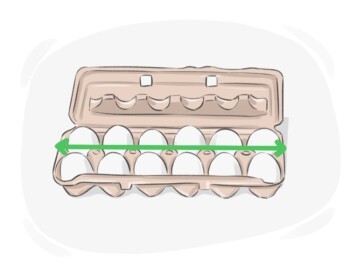
a group of people or objects placed in a line

ряд
Студенты сидели в ряду во время собрания, внимательно слушая приглашённого докладчика.
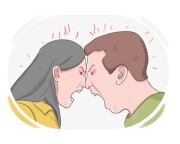
to have a noisy argument
ссориться
Братья и сестры часто ссорились из-за пустяков, превращая свои разногласия в шумные споры.
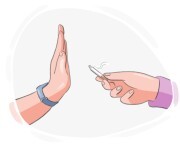
to say or show one's unwillingness to do something that someone has asked
отказываться
Студент был вынужден отказаться от приглашения присоединиться к внеклассному клубу из-за нехватки времени.

a role or position of guiding or influencing others by taking initiative or setting an example for others to follow
лидерство
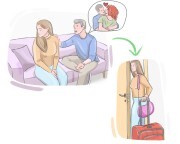
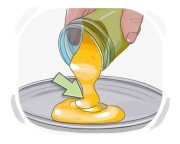
(usually plural) the things that are held, included, or contained within something
содержание
Она высыпала содержимое своей сумки на стол.
to feel satisfied or pleased with someone or something
удовольствоваться
Она довольствовалась маленьким кусочком торта.
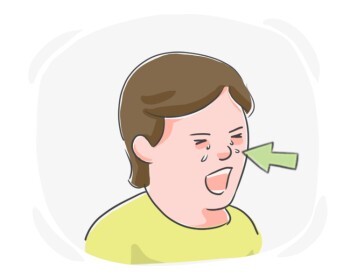
a drop of salty liquid produced by the eyes
слеза
Слеза скатилась по её щеке.

to forcibly pull something apart into pieces
рвать
Ребёнок случайно разорвал страницу, перелистывая книгу.
a piece of furniture designed to hold electronic instruments like radios or televisions
консоль
Телевизор стоял на деревянной консоли в гостиной.
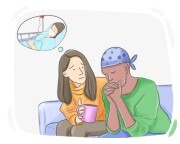
to help a person, who is either disappointed or emotionally suffering, feel better
успокаивать
Друзья утешили её после провала её проекта.

to develop into a more advanced or improved stage
развиваться
С годами технологии прогрессировали, превращая громоздкие компьютеры в элегантные и мощные устройства.

a non-living thing that one can touch or see
предмет
Скульптура в музее - это древний объект, сделанный из мрамора.
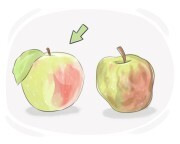
completely without mistakes or flaws, reaching the best possible standard
идеальный
Он идеальный кандидат на эту работу со всем своим опытом.

to make a person or thing move from a place, situation, or person to another
переводить, перемещать
Профессор решил перевести студента в более продвинутый класс.
a continuation of a line of poetry to the next without a pause or punctuation at the end
непрерывный
Он использовал переносы, чтобы подчеркнуть непрерывный характер своих мыслей.
involving behaviors, actions, or decisions that are morally wrong
неэтичный
Считалось неэтичным присваивать заслуги за чужую работу.
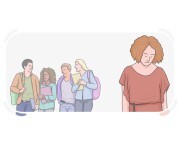
to treat a person, group, or concept as insignificant or of secondary or minor importance
маргинализировать, изолировать
Исторически коренные народы были маргинализированы и лишены своих прав на землю.
the act of pretending to be someone else, often with the intent to deceive or mislead others
олицетворение
Его пародия на известного актера была точной.

with the use of computers or electronic devices
в цифровой форме
Фотография была сохранена в цифровом виде на жестком диске компьютера.
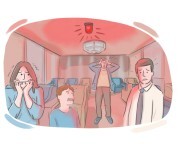
in a manner that causes sudden concern or fear
тревожно
Свет тревожно мигал перед отключением электричества.

in accordance with methods, beliefs, or customs that have remained unchanged for a long period of time
традиционно
Ужин в День Благодарения традиционно отмечается пиром с индейкой.
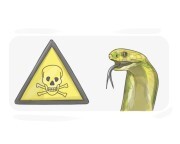
in a manner expressing the capability or likelihood of something happening or developing in the future
потенциально
Новые инвестиции могут потенциально принести значительную прибыль.
the process or act of subjecting someone to harm, mistreatment, or abuse
виктимизация
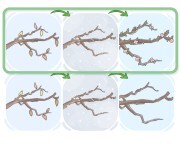
for a limited period of time
Ненадолго
Она жила в городе временно, пока ее дом ремонтировался.
in a way that is related to someone's mind or emotions
психологически
Терапевтическая сессия психологически разобрала проблемы, сосредоточившись на эмоциональном благополучии пациента.
in a way that is related to money or its management
в финансовом отношении
Мэри хорошо управляет своим бюджетом и финансово защищена.
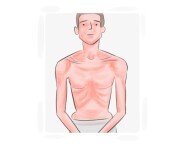
used to refer to someone who is extremely thin, often in an unattractive and unhealthy way
кожа да кости, изможденный
После нескольких месяцев болезни он превратился в одни лишь кожа да кости.
(of two things) to be closely connected to one another, particularly in a way that one of them causes the occurrence of another
тесно связанный или подсоединенный
![to [save] {one's} [skin|neck|hide|bacon]](https://cdn.langeek.co/photo/45124/thumb/350?type=jpeg "to [save] {one's} [skin|neck|hide|bacon]")
to help a person get out of a situation that involves danger or difficulty
спасти кому-то шкуру, вытащить кого-то из беды
Её быстрая реакция спасла мне шкуру, когда сделка начала разваливаться.
![to [jump|leap] out of {one's} skin](https://cdn.langeek.co/photo/52109/thumb/350?type=jpeg "to [jump|leap] out of {one's} skin")
to become extremely scared or surprised, causing a strong physical reaction
подскочить от испуга, вздрогнуть от ужаса
Когда сработала сигнализация, я чуть не подскочил от испуга.
a subject over which people disagree
камень преткновения, предмет спора
Деньги стали главным камнем преткновения между братьями.
about to happen very soon
близкий
to not hesitate to do or say what one truly wants
не скрывать своего отношения, говорить прямо
Она прямо сказала, что ей не нравится новая политика.

to change the appearance, character, or nature of a person or object
преобразовывать, трансформировать
Проект реконструкции направлен на то, чтобы преобразовать старое здание в современное и функциональное пространство.
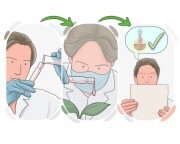
to learn of and confirm the facts about something through calculation or research
определять, устанавливать
Учёные регулярно определяют химический состав веществ в лаборатории.

to give something a particular form
придавать форму
Скульптор придал форму глине, превратив её в красивую вазу.

to go back to a previous state, condition, or behavior
возвращаться
После того, как обновления вызвали проблемы, они решили вернуться к предыдущей версии программного обеспечения.

to better or increase someone or something's quality, strength, value, etc.
улучшать
Добавление новых функций может улучшить функциональность программного приложения.
a sense of discontent, particularly towards a governing system
недовольство
Если правительство не устранит растущее недовольство среди людей, оно может столкнуться с серьезными последствиями на предстоящих выборах.
the act of to physically or socially separating someone or something from others
изоляция
Пациент был помещён в изоляцию, чтобы предотвратить распространение инфекции.
a close relationship in which there is a good understanding and communication between people
взаимопонимание
Несмотря на то, что они встретились впервые, их общие интересы и легкая беседа быстро установили между ними сильный rapport.
an organization of people who have a common purpose
ассоциация
the feeling of being happy or comfortable in a specific situation or group
принадлежность
Поиск чувства принадлежности в новом городе может занять время, но участие в местных клубах и группах помогает налаживать связи.
the feeling that one is different from others and therefore not part of a particular group
отчуждённость
Постоянное перемещение оставило у нее глубокое чувство отчуждения от сверстников.
the act of repeating a word or phrase in a passage as a rhetorical device
повторение
a literary device where human qualities or characteristics are attributed to non-human entities, objects, or ideas
персонификация
Олицетворение ветра в стихотворении делало его живым и беспокойным.
a figure of speech that combines two contradictory or contrasting terms to create a unique expression
оксюморон
Фраза "горько-сладкая победа" является оксимороном, подчеркивающим смешанные эмоции от победы в тяжелой битве, доставшейся дорогой ценой.
a question that is not meant to be answered, but is instead used to make a point or to create emphasis or effect
риторический вопрос
Он задал риторический вопрос, чтобы подчеркнуть свою точку зрения о справедливости.
