
Le livre Interchange - Débutant - Unité 12 - Partie 2
Ici, vous trouverez le vocabulaire de l'Unité 12 - Partie 2 du manuel Interchange Beginner, comme "électricité", "changement", "douloureux", etc.
Réviser
Flashcards
formes
Orthographe
Quiz
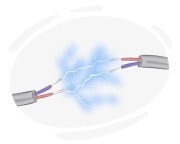
a source of power used for lighting, heating, and operating machines

électricité
Il est important d'économiser l'électricité en éteignant les lumières lorsqu'elles ne sont pas utilisées.
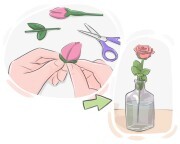
originating from or created by nature, not made or caused by humans
naturel, naturelle
Les ressources naturelles du pays comprennent le charbon, le gaz et le pétrole.
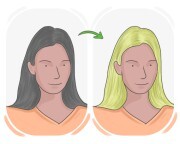
to make a person or thing different
changer, modifier
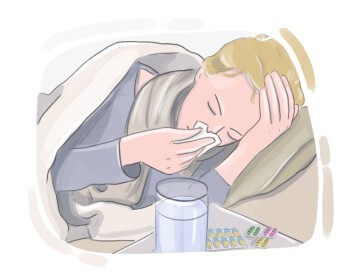
a mild disease that we usually get when viruses affect our body and make us cough, sneeze, or have fever
rhume
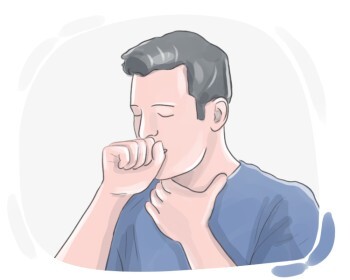
to force air suddenly out of the lungs through the throat with a short, sharp sound
tousser
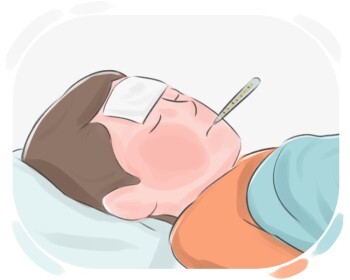
a condition when the body temperature rises, usually when we are sick
fièvre
Ma sœur avait une fièvre ardente au milieu de la nuit.
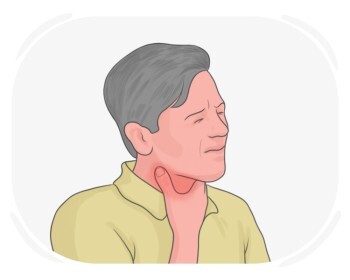
a condition when you feel pain in the throat, usually caused by bacteria or viruses
mal à la gorge
Après avoir chanté toute la nuit, elle s'est réveillée avec un mal de gorge.

pleased about something
content, ravi
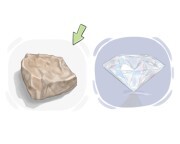
regular and without any exceptional features
commun
Son style était simple et commun, parfait pour un port quotidien.
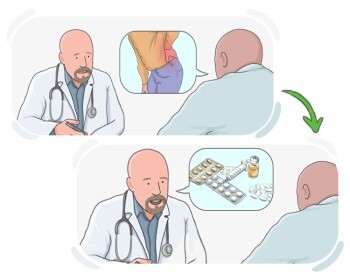
a medicine or treatment used to cure an illness or relieve pain or other symptoms
remède
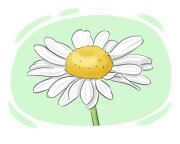
a herb with small white flowers and a pleasant, soothing aroma
camomille, matricaire
Il préfère la camomille aux thés caféinés le soir.
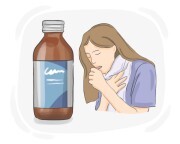
a liquid medicine that helps one to stop coughing
sirop contre la toux, sirop pour la toux
Le médecin a prescrit un sirop contre la toux plus fort pour sa toux persistante.
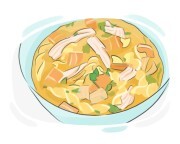
a soup made from chicken, vegetables, herbs, and sometimes noodles or rice, often consumed during times of illness or in cold weather
soupe au poulet, bouillon de poulet
La soupe au poulet est souvent considérée comme un aliment réconfortant dans de nombreux foyers.
a type of medication used to relieve the symptoms of the common cold, such as runny nose, cough, and sore throat
médicament contre le rhume, remède contre le rhume
Les médicaments contre le rhume en vente libre sont disponibles dans la plupart des pharmacies.
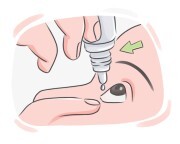
liquid medication dropped into the eye with the use of a special device that releases one drop at a time
collyre, gouttes pour les yeux
Le médecin a prescrit des gouttes pour les yeux pour son infection oculaire.
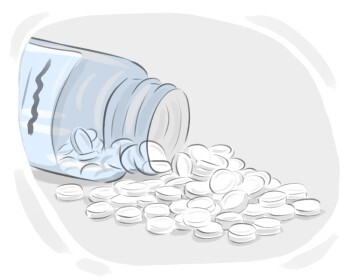
a type of medicine taken to relieve pain, bring down a fever, etc.
aspirine
Le médecin a recommandé de prendre de l'aspirine pour réduire la fièvre.
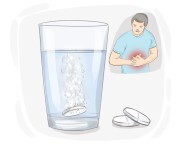
a medication that reduces or neutralizes the acidity of the body, particularly the stomach
antiacide, neutralisant d'acidité
Les antiacides sont disponibles sans ordonnance pour un soulagement rapide du reflux acide.
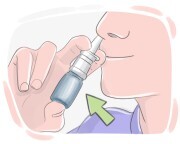
liquid medication sprayed into the nose with the use of a special device
spray nasal, vaporisateur nasal
Le médecin a recommandé un spray nasal pour ses problèmes de sinus.
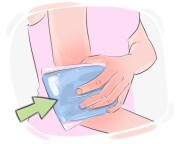
a waterproof bag filled with frozen material, such as crushed ice, used to cool parts of the body to reduce swelling, relieve pain, etc.
poche de glace
L'infirmière lui a donné un sac de glace pour son mal de tête.
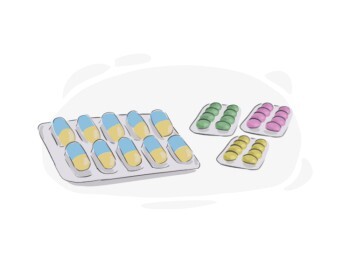
a small round medication we take whole when we are sick
pilule
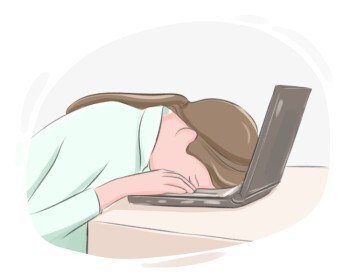
feeling extremely tired physically or mentally, often due to a lack of sleep
épuisé
Les athlètes épuisés se sont effondrés sur le sol après avoir terminé le marathon.

used to show our agreement or satisfaction with something
d'accord
D'accord, je vais faire la vaisselle ce soir.
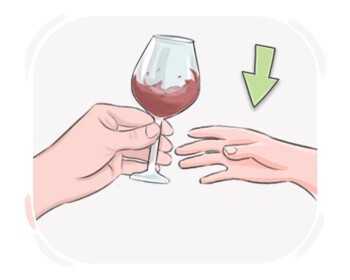
to receive or come to have something
obtenir, recevoir, prendre
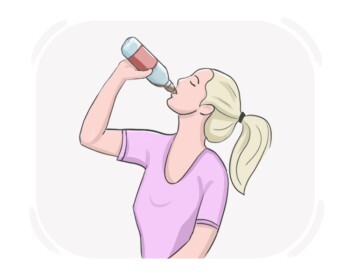
to put water, coffee, or other type of liquid inside of our body through our mouth
boire
to reach for something and hold it
prendre
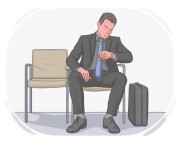
to remain in a particular place
rester
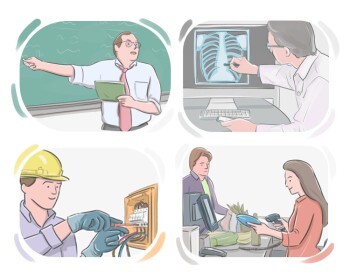
to do certain physical or mental activities in order to achieve a result or as a part of our job
travailler
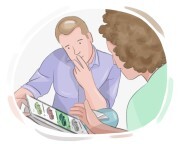
a suggestion or an opinion that is given with regard to making the best decision in a specific situation
conseils
Les conseils de l'avocat l'ont aidé à naviguer à travers les complexités du système juridique.
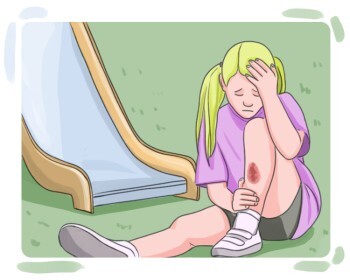
to cause injury or physical pain to yourself or someone else
faire mal à
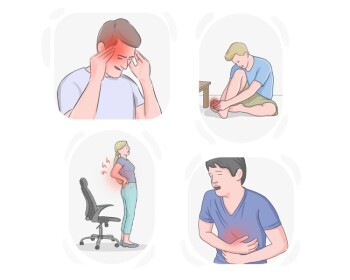
(of a body part) feeling painful or tender, often as a result of injury, strain, or illness
endolori, irrité
Après avoir soulevé des boîtes lourdes toute la journée, le dos de Tom était douloureux et endolori.
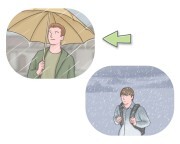
lacking moisture or liquid
sec, sèche
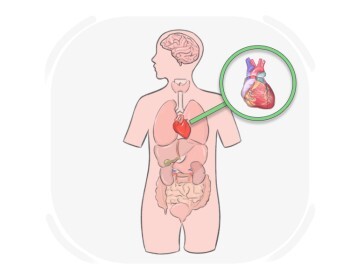
the body part that pushes the blood to go to all parts of our body
cœur
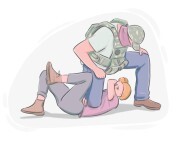
to strike someone repeatedly, usually causing physical harm or injury
battre, frapper
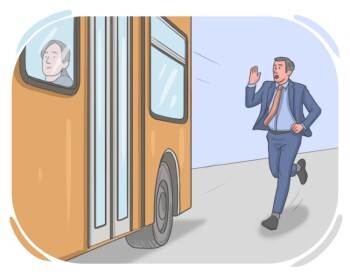
to be deprived of or stop having someone or something
perdre
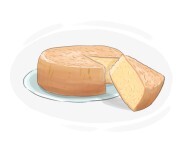
a part of an object, broken or cut from a larger one
morceau

the thin layer of tissue that covers the body of a person or an animal
peau
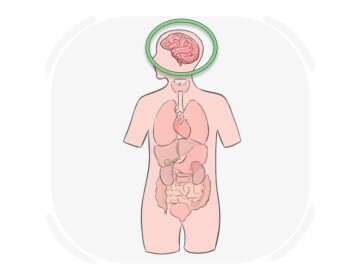
the body part that is inside our head controlling how we feel, think, move, etc.
cerveau

a gesture or action used to convey a message without using words
signal, signe
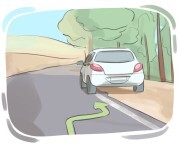
to not move anymore
arrêter, s'arrêter
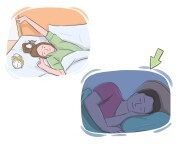
not conscious or awake
endormi, endormie
Elle était allongée immobile et endormie, non dérangée par le bruit extérieur.
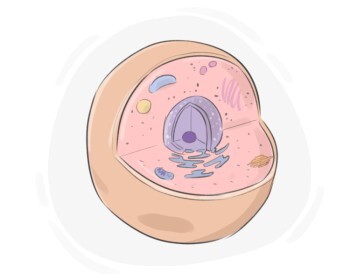
an organism's smallest unit, capable of functioning on its own
cellule
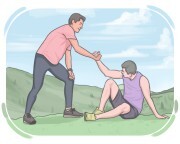
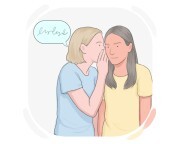
to use words and give someone information
dire
| Le livre Interchange - Débutant | |||
|---|---|---|---|
| Unité 10 - Partie 2 | Unité 11 - Partie 1 | Unité 11 - Partie 2 | Unité 11 - Partie 3 |
| Unité 12 - Partie 1 | Unité 12 - Partie 2 | Unité 13 - Partie 1 | Unité 13 - Partie 2 |
| Unité 14 - Partie 1 | Unité 14 - Partie 2 | Unité 15 | Unité 16 |
