pattern

Kniha Interchange - Začátečník - Jednotka 12 - Část 2

Zde najdete slovní zásobu z jednotky 12 - část 2 v učebnici Interchange Beginner, jako je "elektřina", "změna", "bolavý" atd.

Revize

Kartičky

tvary

Pravopis

Kvíz

Začněte se učit
Interchange - Beginner
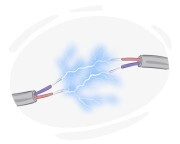
electricity
electricity
[Podstatné jméno]

a source of power used for lighting, heating, and operating machines

elektřina

elektřina

Ex: We use electricity to power the lights in our house. 

Používáme elektřinu k napájení světel v našem domě.
natural
natural
[Přídavné jméno]

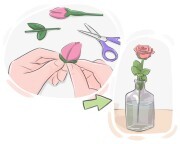
originating from or created by nature, not made or caused by humans

přirozený, přírodní

přirozený, přírodní

Ex: He preferred using natural fabrics like cotton and linen for his clothing. 

Dával přednost používání přírodních látek, jako je bavlna a len, pro své oblečení.
to change
to change
[sloveso]

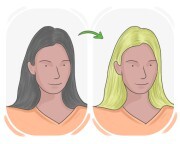
to make a person or thing different

změnit, upravit
změnit, upravit

Ex: Online shopping has changed the way people shop for goods and services. 
cold
cold
[Podstatné jméno]

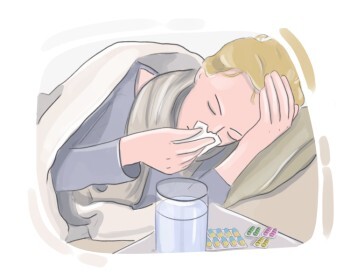
a mild disease that we usually get when viruses affect our body and make us cough, sneeze, or have fever

nachlazení, rýma
nachlazení, rýma

Ex: During winter, many people catch a cold. 
to cough
to cough
[sloveso]

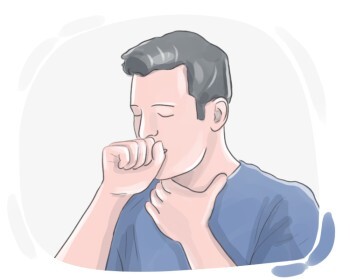
to force air suddenly out of the lungs through the throat with a short, sharp sound
Ex: Dust can make some people cough. 
fever
fever
[Podstatné jméno]

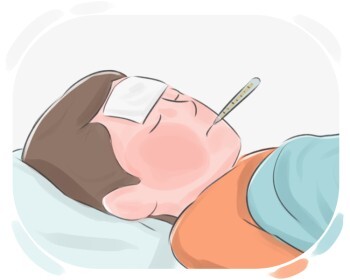
a condition when the body temperature rises, usually when we are sick

horečka, teplota

horečka, teplota

Ex: She developed a fever after being exposed to the virus. 

Po vystavení viru se u ní rozvinula horečka.
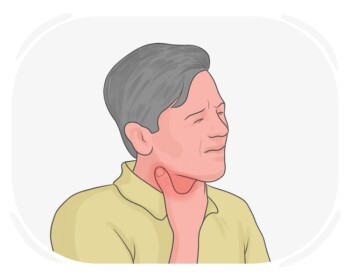
sore throat
sore throat
[Podstatné jméno]

a condition when you feel pain in the throat, usually caused by bacteria or viruses

bolest v krku

bolest v krku

Ex: She drank hot tea with honey to soothe her sore throat. 

Vypila horký čaj s medem, aby uklidnila své bolest v krku.
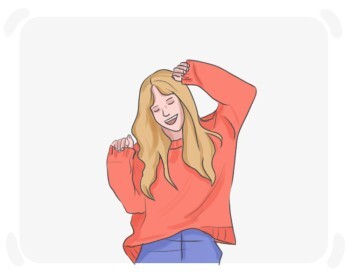
glad
glad
[Přídavné jméno]

pleased about something

rád, potěšený
rád, potěšený

Ex: She was glad to hear the news of her friend's success. 
common
common
[Přídavné jméno]

regular and without any exceptional features

běžný, obyčejný

běžný, obyčejný

Ex: His response was so common that it didn’t stand out in the conversation. 

Jeho odpověď byla tak běžná, že v rozhovoru nevynikla.
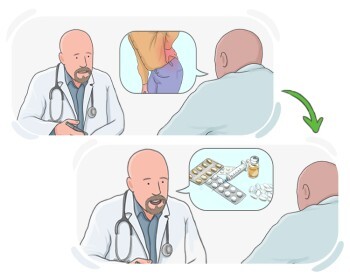
remedy
remedy
[Podstatné jméno]

a medicine or treatment used to cure an illness or relieve pain or other symptoms
Ex: This traditional remedy has been used for generations. 
chamomile
chamomile
[Podstatné jméno]

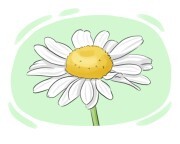
a herb with small white flowers and a pleasant, soothing aroma

heřmánek, pravý heřmánek

heřmánek, pravý heřmánek

Ex: The dried chamomile flowers smelled sweet and soothing. 

Sušené květy heřmánku voněly sladce a uklidňujícně.
cough syrup
cough syrup
[Podstatné jméno]

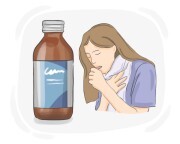
a liquid medicine that helps one to stop coughing

sirup proti kašli, lék proti kašli

sirup proti kašli, lék proti kašli

Ex: Cough syrup helps soothe a sore throat and reduce coughing. 

Sirup proti kašli pomáhá uklidnit bolest v krku a snížit kašel.

chicken soup
chicken soup
[Podstatné jméno]

a soup made from chicken, vegetables, herbs, and sometimes noodles or rice, often consumed during times of illness or in cold weather

kuřecí polévka, kuřecí vývar

kuřecí polévka, kuřecí vývar

Ex: She added extra garlic and ginger to her chicken soup for more flavor. 

Přidala do své kuřecí polévky extra česnek a zázvor pro více chuti.

cold medicine
cold medicine
[Podstatné jméno]

a type of medication used to relieve the symptoms of the common cold, such as runny nose, cough, and sore throat

lék na nachlazení, prostředek proti nachlazení

lék na nachlazení, prostředek proti nachlazení

Ex: She packed cold medicine in her travel bag, just in case. 

Do cestovního kufru si zabalila lék na nachlazení, pro každý případ.
eye drops
eye drops
[Podstatné jméno]

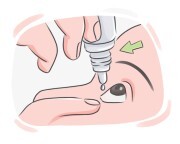
liquid medication dropped into the eye with the use of a special device that releases one drop at a time

oční kapky, kapky do očí

oční kapky, kapky do očí

Ex: Eyedrops are often recommended for people who spend long hours in front of a screen. 

Oční kapky jsou často doporučovány lidem, kteří tráví dlouhé hodiny před obrazovkou.
aspirin
aspirin
[Podstatné jméno]

a type of medicine taken to relieve pain, bring down a fever, etc.

aspirin

aspirin

Ex: Aspirin is often used to alleviate the symptoms of the common cold. 

Aspirin se často používá k úlevě od příznaků běžného nachlazení.
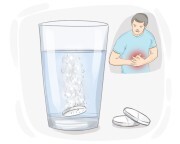
antacid
antacid
[Podstatné jméno]

a medication that reduces or neutralizes the acidity of the body, particularly the stomach

antacid, neutralizátor kyselin

antacid, neutralizátor kyselin

Ex: Antacids can neutralize stomach acid and provide fast relief. 

Antacida mohou neutralizovat žaludeční kyselinu a poskytnout rychlou úlevu.
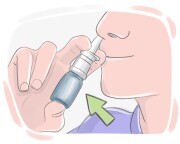
nasal spray
nasal spray
[Podstatné jméno]

liquid medication sprayed into the nose with the use of a special device

nosní sprej, nosní aerosol

nosní sprej, nosní aerosol

Ex: Nasal spray is a common treatment for colds and flu-related congestion. 

Nosní sprej je běžnou léčbou ucpání spojeného s nachlazením a chřipkou.
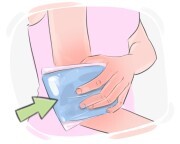
ice pack
ice pack
[Podstatné jméno]

a waterproof bag filled with frozen material, such as crushed ice, used to cool parts of the body to reduce swelling, relieve pain, etc.

ledový obklad, chladicí sáček

ledový obklad, chladicí sáček

Ex: An ice pack can help relieve muscle soreness after exercise. 

Ledový obklad může pomoci zmírnit bolest svalů po cvičení.
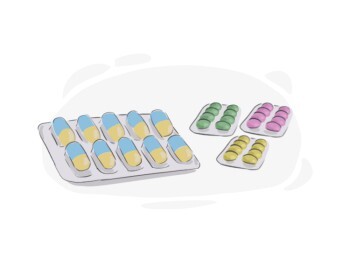
pill
pill
[Podstatné jméno]

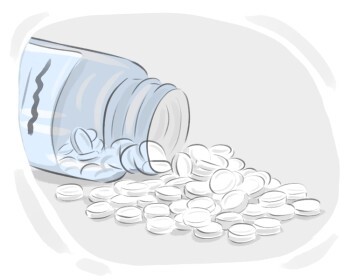
a small round medication we take whole when we are sick

tableta, pilulka

tableta, pilulka

Ex: Each pill in this bottle contains 500 milligrams of the medicine. 
exhausted
exhausted
[Přídavné jméno]

feeling extremely tired physically or mentally, often due to a lack of sleep

vyčerpaný, unavený

vyčerpaný, unavený

Ex: She felt exhausted after working a double shift at the hospital. 

Cítila se vyčerpaná po práci na dvojité směně v nemocnici.

all right
all right
[Citoslovce]

used to show our agreement or satisfaction with something

Dobře, V pořádku

Dobře, V pořádku

Ex: All right, you can play video games for an hour. 

Dobře, můžeš hrát videohry hodinu.

to get
to get
[sloveso]

to receive or come to have something

dostávat, získat
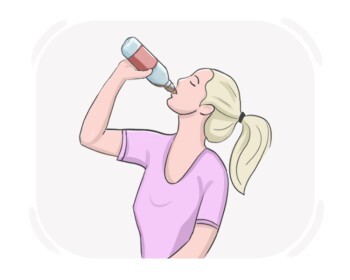
dostávat, získat

Ex: He got an unexpected bonus at work. 
to drink
to drink
[sloveso]

to put water, coffee, or other type of liquid inside of our body through our mouth

pít

pít

Ex: He prefers to drink hot chocolate in the winter, not in the summer. 
to take
to take
[sloveso]

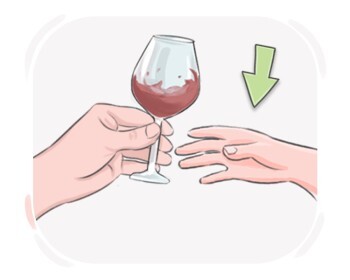
to reach for something and hold it

vzít, uchopit
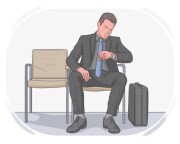
vzít, uchopit

Ex: He took the cup of coffee from the table and sipped it slowly. 
to stay
to stay
[sloveso]

to remain in a particular place

zůstat, pobývat
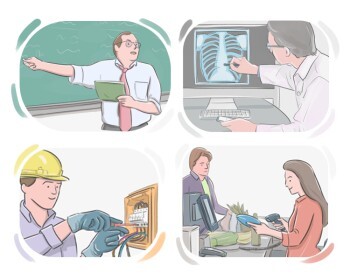
zůstat, pobývat

Ex: The weather is too unpredictable, so it's better to stay indoors. 
to work
to work
[sloveso]

to do certain physical or mental activities in order to achieve a result or as a part of our job

pracovat
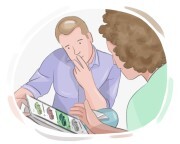
pracovat

Ex: He's been working on his presentation for hours. 
advice
advice
[Podstatné jméno]

a suggestion or an opinion that is given with regard to making the best decision in a specific situation

rada, doporučení

rada, doporučení

Ex: I appreciate your advice on how to approach the interview confidently. 

Oceňuji vaši radu, jak sebevědomě přistupovat k pohovoru.
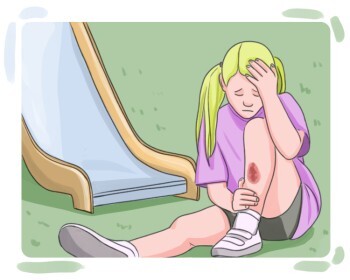
to hurt
to hurt
[sloveso]

to cause injury or physical pain to yourself or someone else

zranit, způsobit bolest
zranit, způsobit bolest

Ex: Be careful with that toy; it could hurt someone. 
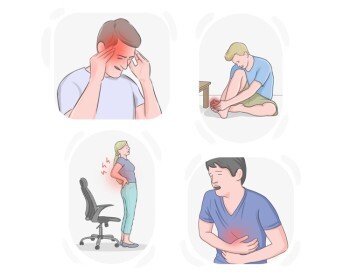
sore
sore
[Přídavné jméno]

(of a body part) feeling painful or tender, often as a result of injury, strain, or illness

bolavý, citlivý

bolavý, citlivý

Ex: Mary had a sore tooth that made it painful for her to chew on that side of her mouth. 

Mary měla bolavý zub, který jí ztěžoval žvýkání na té straně úst.
dry
dry
[Přídavné jméno]

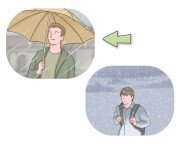
lacking moisture or liquid

suchý, vyprahlý
suchý, vyprahlý

Ex: She watered the dry plants in the garden. 
heart
heart
[Podstatné jméno]

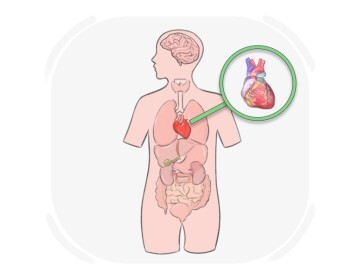
the body part that pushes the blood to go to all parts of our body

srdce, srdce
srdce, srdce

Ex: He couldn't hide the happiness in his heart when he saw his loved ones after a long time. 
to beat
to beat
[sloveso]

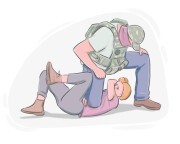
to strike someone repeatedly, usually causing physical harm or injury

bít, mlátit
bít, mlátit

Ex: The bully threatened to beat the younger student if he didn't hand over his lunch money. 
to lose
to lose
[sloveso]

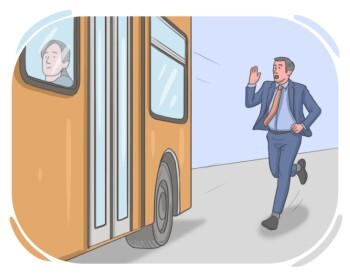
to be deprived of or stop having someone or something

ztratit, přijít o
ztratit, přijít o

Ex: She lost her hearing as a result of the loud explosion. 
piece
piece
[Podstatné jméno]

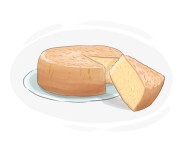
a part of an object, broken or cut from a larger one

kus, část

kus, část

Ex: A piece of glass was lying on the floor. 
skin
skin
[Podstatné jméno]

the thin layer of tissue that covers the body of a person or an animal

kůže, pokožka
kůže, pokožka

Ex: He applied lotion to keep his skin moisturized during the winter. 
brain
brain
[Podstatné jméno]

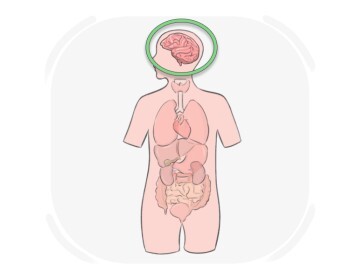
the body part that is inside our head controlling how we feel, think, move, etc.

mozek

mozek

Ex: He suffered a traumatic brain injury in a car accident. 
signal
signal
[Podstatné jméno]

a gesture or action used to convey a message without using words

signál, znamení
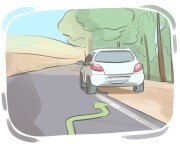
signál, znamení

Ex: He gave me a signal to start speaking. 
to stop
to stop
[sloveso]

to not move anymore

zastavit, přestat

zastavit, přestat

Ex: The bus stopped outside the station. 
asleep
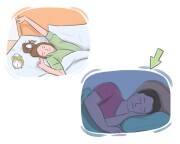
asleep
[Přídavné jméno]

not conscious or awake

spící, usnul

spící, usnul

Ex: The street was quiet, with most of the residents already asleep. 

Ulice byla tichá, většina obyvatel již spala.
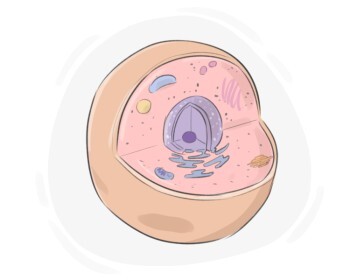
cell
cell
[Podstatné jméno]

an organism's smallest unit, capable of functioning on its own

buňka
buňka

Ex: The human body is made up of trillions of cells. 
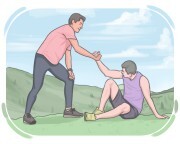
to help
to help
[sloveso]

to give someone what they need

pomáhat, podporovat
pomáhat, podporovat

Ex: She helped him carry the boxes upstairs. 
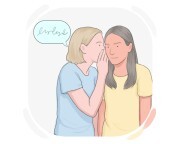
to tell
to tell
[sloveso]

to use words and give someone information

říct, vyprávět

říct, vyprávět

Ex: Did he tell you about the new project? 
LanGeek
Stáhnout aplikaci LanGeek