
Le livre Interchange - Intermédiaire - Unité 16 - Partie 2
Ici, vous trouverez le vocabulaire de l'Unité 16 - Partie 2 du manuel Interchange Intermediate, comme « particular », « sympathize », « arrangement », etc.
Réviser
Flashcards
formes
Orthographe
Quiz


to pay attention and become aware of a particular thing or person

remarquer

after a long time, usually when there has been some difficulty
finalement
Après des semaines d'attente, le colis est enfin arrivé par la poste.
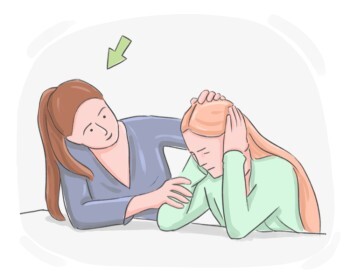
showing care and understanding toward other people, especially when they are not feeling good
sympathique
Elle était très compatissante quand je lui ai parlé de mes difficultés au travail.
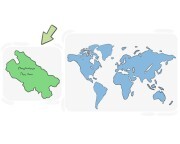
distinctive among others that are of the same general classification
particulier, particulière
Le rapport se concentre sur un segment particulier de la population, à savoir les citoyens âgés.
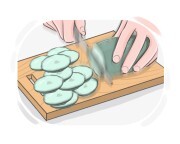
with a lot of speed
vite, rapidement
Il a tapé rapidement pour respecter le délai.
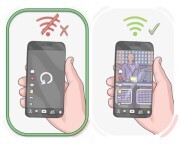
problems or difficulties that arise, especially in relation to a service or facility, which require resolution or attention
problème, objet de litige
used to introduce a statement that provides additional information or emphasizes the truth or reality of a situation
en fait, en réalité
Le projet semblait simple, mais en fait, il nécessitait des recherches et une planification approfondies.

for or in every hundred
pourcent
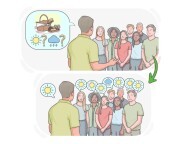
in a way that is true in most cases
généralement
Les enfants apprennent généralement à marcher vers l'âge d'un an.
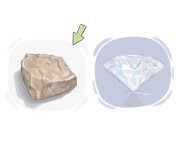
regular and without any exceptional features
commun
Son style était simple et commun, parfait pour un port quotidien.
a small fact or piece of information
détail
related to or involving only one certain thing
spécifique
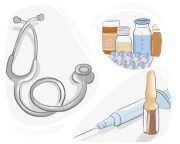
related to medicine, treating illnesses, and health
médical
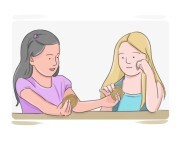
to possess or use something with someone else at the same time
partager
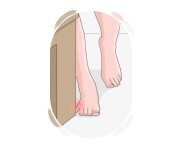
an unexpected and unpleasant event that happens by chance, usually causing damage or injury
accident
to pass or escape unnoticed or undetected
se glisser, s'échapper
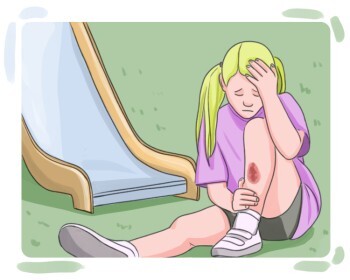
to cause injury or physical pain to yourself or someone else
faire mal à
to support and approve of something or someone
compatir avec, comprendre
Ils ont sympathisé avec la cause et ont fait un don généreux à l'œuvre de bienfaisance.
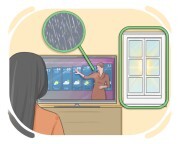
used to add a statement that contradicts what was just mentioned
pourtant, cependant
Il s'attendait à ce que la tâche soit difficile ; cependant, elle s'est avérée étonnamment simple.
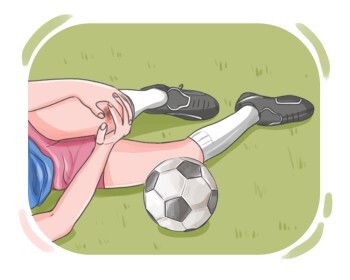
any physical damage to a part of the body caused by an accident or attack
blessure
a mutual understanding or agreement established between people
accord
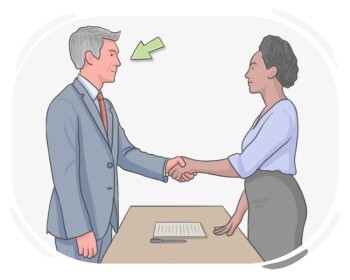
a person or organization that hires and pays individuals for a variety of jobs
employeur, employeuse
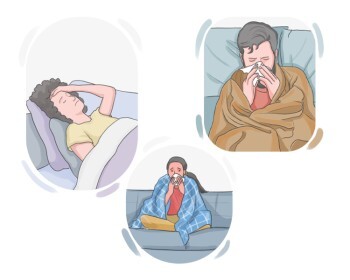
the state of being physically or mentally sick
maladie
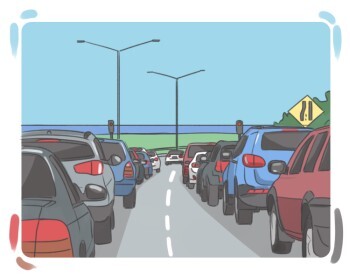
a large number of bikes, cars, buses, etc. that are waiting in lines behind each other which move very slowly
embouteillage, bouchon
Elle a allumé la radio pour passer le temps pendant l'embouteillage.
the state of not being at a place or with a person when it is expected of one
absence
to arrive later than expected or planned
retarder
as a result of a specific cause or reason
à cause de
L'événement a été annulé en raison de circonstances imprévues.
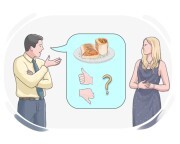
used to talk about a doubt or choice when facing two options
si
Je ne peux pas décider si je dois porter une robe ou un jean pour l'événement.
with no attention to the thing mentioned
quoi qu'il en soit
Il a continué à poursuivre son rêve sans tenir compte des obstacles auxquels il a fait face.
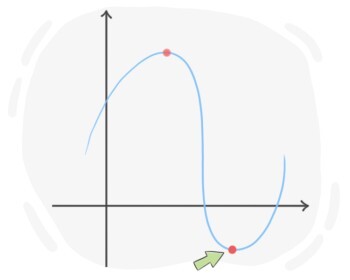
having the least or smallest amount possible
minimum

progress or improvement in a particular area
progrès
| Le livre Interchange - Intermédiaire | |||
|---|---|---|---|
| Unité 10 - Partie 2 | Unité 11 - Partie 1 | Unité 11 - Partie 2 | Unité 12 |
| Unité 13 - Partie 1 | Unité 13 - Partie 2 | Unité 14 - Partie 1 | Unité 14 - Partie 2 |
| Unité 15 | Unité 16 - Partie 1 | Unité 16 - Partie 2 | |
