pattern

Interchange - Intermediate - Unit 16 - Part 2

Here you will find the vocabulary from Unit 16 - Part 2 in the Interchange Intermediate coursebook, such as "particular", "sympathize", "arrangement", etc.

Review

Flashcards

Forms

Spelling

Quiz

Start learning
Interchange - Intermediate
to notice
to notice
[Verb]

to pay attention and become aware of a particular thing or person

Ex: I couldn't help but notice the beautiful sunset as I walked along the beach. 
Close
Sign in
finally
finally
[Adverb]

after a long time, usually when there has been some difficulty
Ex: Despite numerous setbacks, they finally completed the construction of their dream house. 
Close
Sign in
sympathetic
sympathetic
[Adjective]

showing care and understanding toward other people, especially when they are not feeling good

Ex: The teacher was sympathetic to the student who was struggling with the coursework. 
Close
Sign in
per
per
[preposition]

for one person or thing

Ex: The car rental agency charges $50 per day for a compact car. 
Close
Sign in
particular
particular
[Adjective]

distinctive among others that are of the same general classification
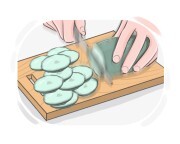
Ex: The law applies to a particular type of vehicle, such as electric cars. 
Close
Sign in
quickly
quickly
[Adverb]

with a lot of speed

Ex: She finished the race quickly, crossing the finish line first. 
Close
Sign in
issue
issue
[noun]

problems or difficulties that arise, especially in relation to a service or facility, which require resolution or attention

Ex: The internet service provider resolved the issue with the slow connection promptly. 
Close
Sign in
in fact
in fact
[Adverb]

used to introduce a statement that provides additional information or emphasizes the truth or reality of a situation

Ex: She said she would be late; in fact, she didn't arrive until well after the meeting had started. 
Close
Sign in
percent
percent
[Adverb]

in or for every one hundred, shown by the symbol (%)
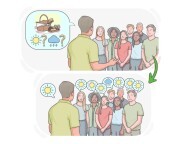
Ex: She scored 95 percent on her math exam, earning top marks in the class. 
Close
Sign in
generally
generally
[Adverb]

in a way that is true in most cases

Ex: The weather is generally mild in spring. 
Close
Sign in
common
common
[Adjective]

regular and without any exceptional features

Ex: The meeting was filled with common tasks and discussions. 
Close
Sign in
detail
detail
[noun]

a small fact or piece of information

Ex: The detective paid close attention to every detail of the crime scene to gather clues. 
Close
Sign in
specific
specific
[Adjective]

related to or involving only one certain thing
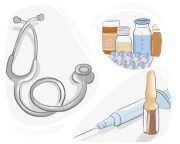
Ex: The doctor prescribed a specific medication to treat the patient's symptoms. 
Close
Sign in
medical
medical
[Adjective]

related to medicine, treating illnesses, and health
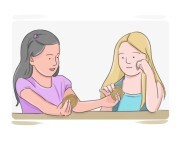
Ex: She pursued a career in the medical field to help others improve their health. 
Close
Sign in
to share
to share
[Verb]

to possess or use something with someone else at the same time

Ex: The couple plans to share a bank account after marriage. 
Close
Sign in
accident
accident
[noun]

an unexpected and unpleasant event that happens by chance, usually causing damage or injury

Ex: She had a minor accident in the kitchen and hurt her foot. 
Close
Sign in
to slip
to slip
[Verb]

to pass or escape unnoticed or undetected

Ex: The spy managed to slip through the heavily guarded compound, evading security cameras and patrols. 
Close
Sign in
to hurt
to hurt
[Verb]

to cause injury or physical pain to yourself or someone else

Ex: Be careful with that toy; it could hurt someone. 
Close
Sign in
to sympathize

to support and approve of something or someone
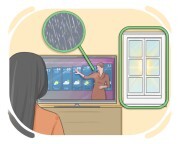
Ex: She sympathized with his decision to leave the company and wished him the best. 
Close
Sign in
however
however
[Adverb]

used to add a statement that contradicts what was just mentioned

Ex: The weather forecast predicted rain; however, the sun is shining brightly. 
Close
Sign in
injury
injury
[noun]

any physical damage to a part of the body caused by an accident or attack

Ex: After the attack, she had a serious head injury. 
Close
Sign in
arrangement

a mutual understanding or agreement established between people
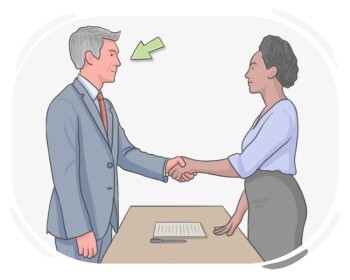
Ex: They made an arrangement to meet at the café later. 
Close
Sign in
employer
employer
[noun]

a person or organization that hires and pays individuals for a variety of jobs
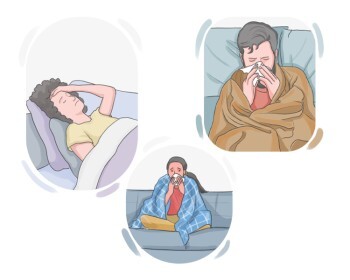
Ex: She found a new job with a reputable employer who offered competitive benefits and opportunities for advancement. 
Close
Sign in
illness
illness
[noun]

the state of being physically or mentally sick
Ex: The patient was unable to recover from his illness. 
Close
Sign in
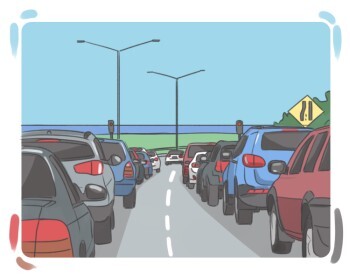
traffic jam

a large number of bikes, cars, buses, etc. that are waiting in lines behind each other which move very slowly

Ex: They were late to the meeting due to a traffic jam on the highway. 
Close
Sign in
absence
absence
[noun]

the state of not being at a place or with a person when it is expected of one
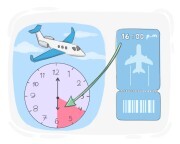
Ex: His absence from the meeting caused delays in making important decisions for the project. 
Close
Sign in
to delay
to delay
[Verb]

to arrive later than expected or planned

Ex: The flight delayed due to heavy fog. 
Close
Sign in
due to
due to
[preposition]

as a result of a specific cause or reason
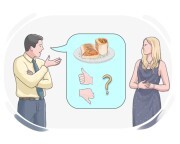
Ex: The flight delay was due to heavy fog at the airport. 
Close
Sign in
whether
whether
[conjunction]

used to talk about a doubt or choice when facing two options

Ex: He's trying to figure out whether he should study abroad or stay in his home country. 
Close
Sign in
regardless
regardless
[Adverb]

with no attention to the thing mentioned
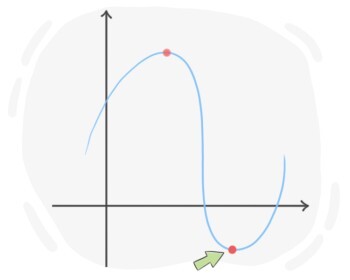
Ex: She decided to go for a run regardless of the rain. 
Close
Sign in
minimum
minimum
[Adjective]

having the least or smallest amount possible

Ex: The minimum requirement for admission to the program is a bachelor's degree. 
Close
Sign in
advance
advance
[noun]

progress or improvement in a particular area

Ex: The company's technological advance has been remarkable this year. 
Close
Sign in
LanGeek
Download LanGeek app