
Könyv: Interchange - Haladó - Egység 16 - 2. rész
Itt találja a Unit 16 - 2. rész szókincsét az Interchange Intermediate tankönyvből, például « particular », « sympathize », « arrangement », stb.
Áttekintés
Villámkártyák
alakok
Betűzés
Kvíz


to pay attention and become aware of a particular thing or person

észrevesz, megfigyel

after a long time, usually when there has been some difficulty
végre, végül
A hetekig tartó várakozás után a csomag végre megérkezett a postán.
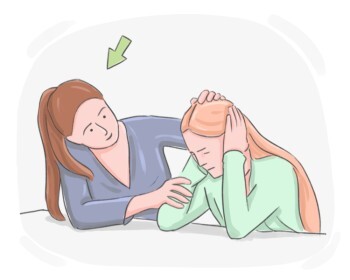
showing care and understanding toward other people, especially when they are not feeling good
együttérző, szimpatikus
Nagyon együttérző volt, amikor meséltem neki a munkahelyi nehézségeimről.
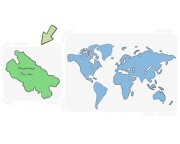
distinctive among others that are of the same general classification
különleges, specifikus
Ő egy különleges kutatási területnek szenteli magát az orvosi területen belül.
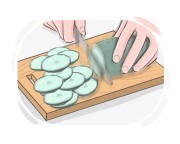
with a lot of speed
gyorsan, sebesen
Gyorsan gépelt, hogy határidőre készüljön.
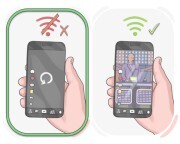
problems or difficulties that arise, especially in relation to a service or facility, which require resolution or attention
probléma, nehézség
used to introduce a statement that provides additional information or emphasizes the truth or reality of a situation
valójában, tényleg
A projekt egyszerűnek tűnt, de valójában kiterjedt kutatást és tervezést igényelt.

for or in every hundred
százalék, percent
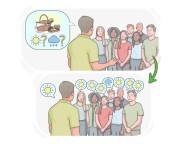
in a way that is true in most cases
általában, rendszerint
A gyerekek általában egyéves korukra megtanulnak járni.

regular and without any exceptional features
közönséges, hétköznapi
Stílusa egyszerű és közönséges volt, tökéletes a mindennapi viselethez.
a small fact or piece of information
részlet, apróság
related to or involving only one certain thing
specifikus, bizonyos

related to medicine, treating illnesses, and health
orvosi, egészségügyi
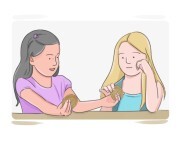
to possess or use something with someone else at the same time
megoszt, eloszt
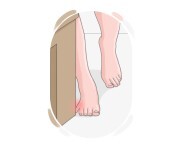
an unexpected and unpleasant event that happens by chance, usually causing damage or injury
baleset, incidens
to pass or escape unnoticed or undetected
becsúszik, kiszabadul
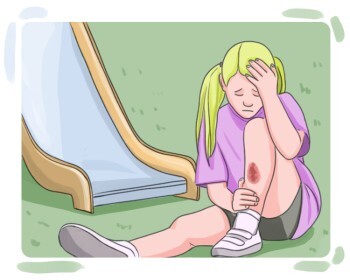
to cause injury or physical pain to yourself or someone else
megsebez, fájdalmat okoz
to support and approve of something or someone
együttérez, szimpatizál
Együttérztek az üggyel és nagylelkűen adakoztak a jótékonysági szervezetnek.

used to add a statement that contradicts what was just mentioned
azonban, viszont
Azt várta, hogy a feladat nehéz lesz; azonban kiderült, hogy meglepően egyszerű.

any physical damage to a part of the body caused by an accident or attack
sérülés, seb
a mutual understanding or agreement established between people
megállapodás, egyezmény

a person or organization that hires and pays individuals for a variety of jobs
munkaadó, főnök
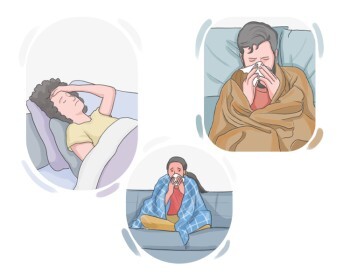
the state of being physically or mentally sick
betegség, betegállapot
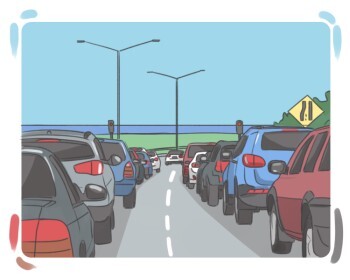
a large number of bikes, cars, buses, etc. that are waiting in lines behind each other which move very slowly
torlódás, forgalmi dugó
Bekapcsolta a rádiót, hogy elüsse az időt a forgalmi dugóban.
the state of not being at a place or with a person when it is expected of one
távollét
to arrive later than expected or planned
késik, elhalaszt
as a result of a specific cause or reason
miatt, következtében
Az eseményt előre nem látható körülmények miatt törölték.
used to talk about a doubt or choice when facing two options
hogy
Nem tudom eldönteni, hogy egy ruhát vagy farmert vegyek fel az eseményre.
with no attention to the thing mentioned
mindezek ellenére, függetlenül attól
Továbbra is követelte álmát függetlenül a nehézségektől, amelyekkel szembesült.
having the least or smallest amount possible
minimális, legkisebb

progress or improvement in a particular area
haladás, fejlődés
| Könyv: Interchange - Haladó | |||
|---|---|---|---|
| Egység 10 - 2. rész | 11. egység - 1. rész | 11. Egység - 2. Rész | Egység 12 |
| Egység 13 - 1. rész | Egység 13 - 2. rész | Egység 14 - 1. rész | Egység 14 - 2. rész |
| Egység 15 | Egység 16 - 1. rész | Egység 16 - 2. rész | |
