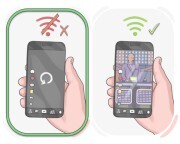
pattern

Kniha Interchange - Středně pokročilý - Jednotka 16 - Část 2

Zde najdete slovní zásobu z Jednotky 16 - Část 2 v učebnici Interchange Intermediate, jako například « particular », « sympathize », « arrangement », atd.

Revize

Kartičky

tvary

Pravopis

Kvíz

Začněte se učit
Interchange - Intermediate
to notice
to notice
[sloveso]

to pay attention and become aware of a particular thing or person

všimnout si, zpozorovat

všimnout si, zpozorovat

Ex: I couldn't help but notice the beautiful sunset as I walked along the beach. 
finally
finally
[Příslovce]

after a long time, usually when there has been some difficulty

konečně, nakonec

konečně, nakonec

Ex: They waited anxiously for their turn, and finally, their names were called. 

Úzkostlivě čekali na svou řadu a, konečně, byla vyvolána jejich jména.
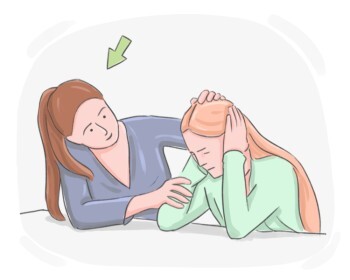
sympathetic
sympathetic
[Přídavné jméno]

showing care and understanding toward other people, especially when they are not feeling good

soucitný, sympatický

soucitný, sympatický

Ex: The therapist provided a sympathetic environment for her clients to share their emotions. 

Terapeut poskytl soucitné prostředí, ve kterém její klienti mohli sdílet své emoce.
per
per
[předložka]

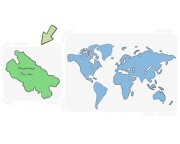
for one person or thing

na

na

Ex: The speed limit is 55 miles per hour. 
particular
particular
[Přídavné jméno]

distinctive among others that are of the same general classification

konkrétní, specifický

konkrétní, specifický

Ex: The law applies to a particular type of vehicle, such as electric cars. 

Zákon platí pro konkrétní typ vozidla, jako jsou elektrická auta.
quickly
quickly
[Příslovce]

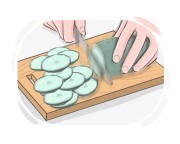
with a lot of speed

rychle,  rychle

rychle, rychle

Ex: The river flowed quickly after heavy rainfall. 

Řeka tekla rychle po silném dešti.

issue
issue
[Podstatné jméno]

problems or difficulties that arise, especially in relation to a service or facility, which require resolution or attention

problém, obtíž

problém, obtíž

Ex: The internet service provider resolved the issue with the slow connection promptly. 
in fact
in fact
[Příslovce]

used to introduce a statement that provides additional information or emphasizes the truth or reality of a situation

ve skutečnosti, vlastně

ve skutečnosti, vlastně

Ex: He told me he didn't know her; in fact, they are close friends. 

Řekl mi, že ji nezná; ve skutečnosti jsou blízcí přátelé.

percent
percent
[Příslovce]

for or in every hundred

procent,  ze sta
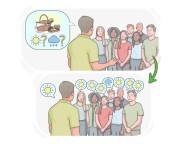
procent, ze sta

Ex: The company expects profits to rise by eight percent. 
generally
generally
[Příslovce]

in a way that is true in most cases

obecně, obvykle

obecně, obvykle

Ex: People generally prefer direct flights over layovers. 

Lidé obvykle preferují přímé lety před mezipřistáními.
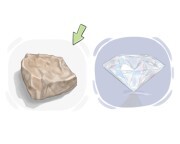
common
common
[Přídavné jméno]

regular and without any exceptional features

běžný, obyčejný

běžný, obyčejný

Ex: His response was so common that it didn’t stand out in the conversation. 

Jeho odpověď byla tak běžná, že v rozhovoru nevynikla.

detail
detail
[Podstatné jméno]

a small fact or piece of information

detail, podrobnost

detail, podrobnost

Ex: The detective paid close attention to every detail of the crime scene to gather clues. 
specific
specific
[Přídavné jméno]

related to or involving only one certain thing

specifický, určitý
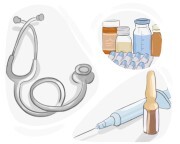
specifický, určitý

Ex: The doctor prescribed a specific medication to treat the patient's symptoms. 
medical
medical
[Přídavné jméno]

related to medicine, treating illnesses, and health

lékařský, zdravotní
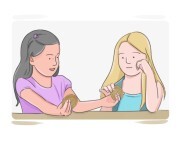
lékařský, zdravotní

Ex: She pursued a career in the medical field to help others improve their health. 
to share
to share
[sloveso]

to possess or use something with someone else at the same time

sdílet, dělit se
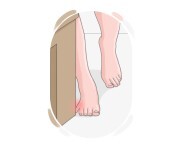
sdílet, dělit se

Ex: The couple plans to share a bank account after marriage. 
accident
accident
[Podstatné jméno]

an unexpected and unpleasant event that happens by chance, usually causing damage or injury

nehoda, incident

nehoda, incident

Ex: She had a minor accident in the kitchen and hurt her foot. 
to slip
to slip
[sloveso]

to pass or escape unnoticed or undetected

proklouznout, uniknout
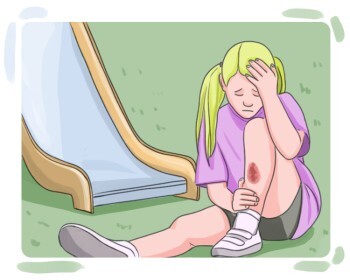
proklouznout, uniknout

Ex: The spy managed to slip through the heavily guarded compound, evading security cameras and patrols. 
to hurt
to hurt
[sloveso]

to cause injury or physical pain to yourself or someone else

zranit, způsobit bolest

zranit, způsobit bolest

Ex: Be careful with that toy; it could hurt someone. 
to sympathize
to sympathize
[sloveso]

to support and approve of something or someone

soucitit, sympatizovat

soucitit, sympatizovat

Ex: He sympathized with her decision to pursue her passion over a stable job. 

Souhlasil s jejím rozhodnutím následovat svou vášeň místo stabilní práce.
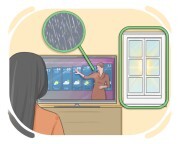
however
however
[Příslovce]

used to add a statement that contradicts what was just mentioned

nicméně, však

nicméně, však

Ex: They were told the product was expensive; however, it turned out to be quite affordable. 

Řekli jim, že produkt je drahý; nicméně se ukázalo, že je docela dostupný.
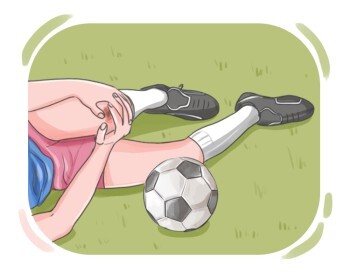
injury
injury
[Podstatné jméno]

any physical damage to a part of the body caused by an accident or attack

zranění, poškození

zranění, poškození

Ex: After the attack, she had a serious head injury. 
arrangement
arrangement
[Podstatné jméno]

a mutual understanding or agreement established between people

dohoda, ujednání

dohoda, ujednání

Ex: They made an arrangement to meet at the café later. 
employer
employer
[Podstatné jméno]

a person or organization that hires and pays individuals for a variety of jobs

zaměstnavatel, šéf
zaměstnavatel, šéf

Ex: She found a new job with a reputable employer who offered competitive benefits and opportunities for advancement. 
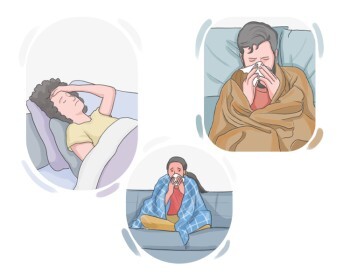
illness
illness
[Podstatné jméno]

the state of being physically or mentally sick

nemoc, onemocnění
nemoc, onemocnění

Ex: The patient was unable to recover from his illness. 
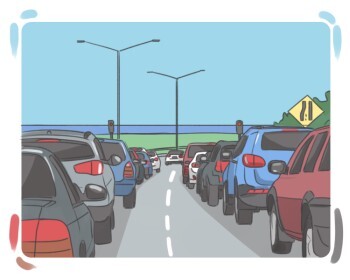
traffic jam
traffic jam
[Podstatné jméno]

a large number of bikes, cars, buses, etc. that are waiting in lines behind each other which move very slowly

doprava, dopravní zácpa

doprava, dopravní zácpa

Ex: The traffic jam cleared up after the accident was cleared from the road. 

Dopravní zácpa se rozptýlila poté, co byla nehoda odstraněna ze silnice.

absence
absence
[Podstatné jméno]

the state of not being at a place or with a person when it is expected of one

nepřítomnost
nepřítomnost

Ex: His absence from the meeting caused delays in making important decisions for the project. 
to delay
to delay
[sloveso]

to arrive later than expected or planned

zpozdit, oddálit

zpozdit, oddálit

Ex: The flight was delayed because of heavy fog. 
due to
due to
[předložka]

as a result of a specific cause or reason

kvůli, z důvodu

kvůli, z důvodu

Ex: The cancellation of classes was due to a teacher strike. 

Zrušení hodin bylo kvůli stávce učitelů.

whether
whether
[Spojka]

used to talk about a doubt or choice when facing two options

zda

zda

Ex: She asked whether he liked ice cream or cake better. 

Zeptala se, zda má raději zmrzlinu nebo dort.

regardless
regardless
[Příslovce]

with no attention to the thing mentioned

přesto, bez ohledu na to

přesto, bez ohledu na to

Ex: The team played with determination regardless of the score. 

Tým hrál s odhodláním bez ohledu na skóre.
minimum
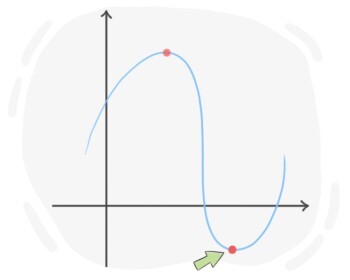
minimum
[Přídavné jméno]

having the least or smallest amount possible

minimální, nejmenší

minimální, nejmenší

Ex: The minimum requirement for admission to the program is a bachelor's degree. 
advance
advance
[Podstatné jméno]

progress or improvement in a particular area

pokrok, postup

pokrok, postup

Ex: The company's technological advance has been remarkable this year. 
LanGeek
Stáhnout aplikaci LanGeek