
Książka Interchange - Średnio zaawansowany - Jednostka 16 - Część 2
Tutaj znajdziesz słownictwo z Jednostki 16 - Części 2 w podręczniku Interchange Intermediate, takie jak « particular », « sympathize », « arrangement », itp.
Przegląd
Fiszki
formy
Pisownia
Test


to pay attention and become aware of a particular thing or person

zauważyć, dostrzegać

after a long time, usually when there has been some difficulty
wreszcie, nareszcie
Walczyła z projektem, ale w końcu udało jej się ukończyć go przed terminem.
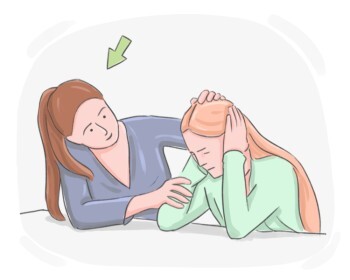
showing care and understanding toward other people, especially when they are not feeling good
współczujący, sympatyczny
Pomimo różnic, zawsze byli współczujący wobec uczuć drugiej osoby.
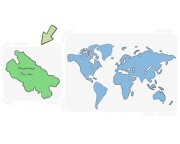
distinctive among others that are of the same general classification
szczególny, specyficzny
Jest poświęcona szczególnej dziedzinie badań w dziedzinie medycyny.
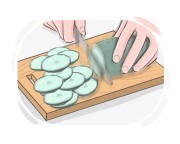
with a lot of speed
szybko, prędko
Wprawny szef kuchni szybko posiekał warzywa.
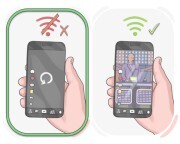
problems or difficulties that arise, especially in relation to a service or facility, which require resolution or attention
problem, trudność
used to introduce a statement that provides additional information or emphasizes the truth or reality of a situation
w rzeczywistości, faktycznie
Myśleliśmy, że proces zajmie tydzień, ale w rzeczywistości zakończył się w zaledwie kilka dni.

for or in every hundred
procent, na sto
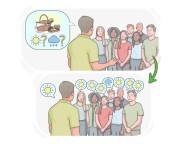
in a way that is true in most cases
ogólnie, zazwyczaj
Tego rodzaju oprogramowanie jest zazwyczaj drogie.
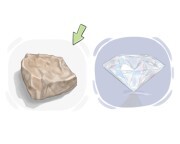
regular and without any exceptional features
powszechny, zwyczajny
To był zwykły dzień w biurze bez niespodzianek.
a small fact or piece of information
szczegół, detal
related to or involving only one certain thing
specyficzny, określony
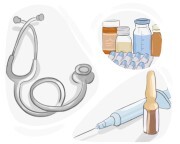
related to medicine, treating illnesses, and health
medyczny, zdrowotny
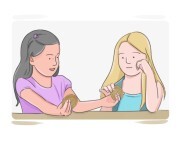
to possess or use something with someone else at the same time
dzielić, współdzielić
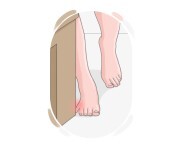
an unexpected and unpleasant event that happens by chance, usually causing damage or injury
wypadek, incydent
to pass or escape unnoticed or undetected
wślizgnąć się, wymknąć się
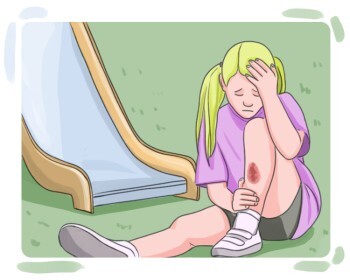
to cause injury or physical pain to yourself or someone else
zranić, sprawiać ból
to support and approve of something or someone
współczuć, sympatyzować
Współczuli przesłaniu protestujących i pojawili się, aby okazać wsparcie.
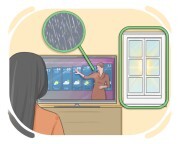
used to add a statement that contradicts what was just mentioned
jednak, niemniej
Była zmęczona; jednak, postanowiła uczestniczyć w wieczornej lekcji.
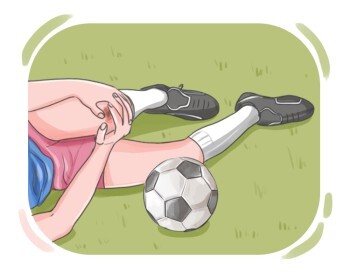
any physical damage to a part of the body caused by an accident or attack
uraz, uszkodzenie
a mutual understanding or agreement established between people
ustalenie, porozumienie
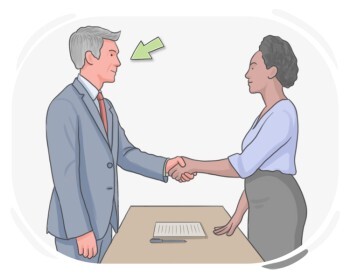
a person or organization that hires and pays individuals for a variety of jobs
pracodawca, szef
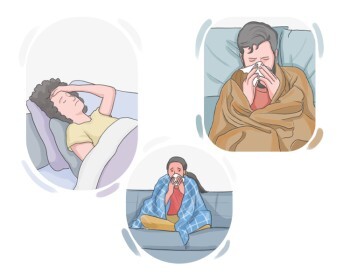
the state of being physically or mentally sick
choroba, dolegliwość
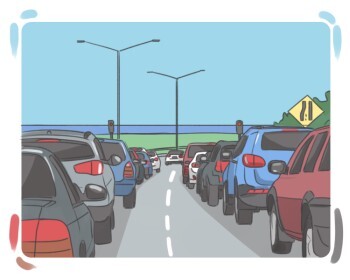
a large number of bikes, cars, buses, etc. that are waiting in lines behind each other which move very slowly
korek, zator drogowy
Trąbił ze złością, ponieważ korek wydawał się nie mieć końca.
the state of not being at a place or with a person when it is expected of one
nieobecność
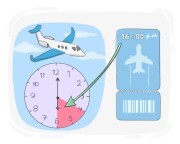
to arrive later than expected or planned
opóźniać, przesuwać
as a result of a specific cause or reason
z powodu, z uwagi na
Wzrost cen był spowodowany inflacją.
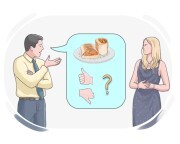
used to talk about a doubt or choice when facing two options
czy
Jane zapytała swojego przyjaciela, czy chce do niej dołączyć na lunch czy jeść osobno.
with no attention to the thing mentioned
mimo wszystko, bez względu na to
Niezależnie od krytyki, pozostała wierna swojej artystycznej wizji.
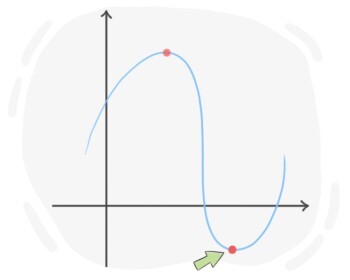
having the least or smallest amount possible
minimalny, najmniejszy

progress or improvement in a particular area
postęp, zaawansowanie
| Książka Interchange - Średnio zaawansowany | |||
|---|---|---|---|
| Jednostka 10 - Część 2 | Jednostka 11 - Część 1 | Jednostka 11 - Część 2 | Jednostka 12 |
| Jednostka 13 - Część 1 | Jednostka 13 - Część 2 | Jednostka 14 - Część 1 | Jednostka 14 - Część 2 |
| Jednostka 15 | Jednostka 16 - Część 1 | Jednostka 16 - Część 2 | |
