pattern

Le livre Solutions - Intermédiaire - Unité 3 - 3A - Partie 2

Ici, vous trouverez le vocabulaire de l'Unité 3 - 3A - Partie 2 du manuel Solutions Intermediate, comme "traitement", "bandage", "saignement de nez", etc.

Réviser

Flashcards

formes

Orthographe

Quiz
Commencer à apprendre
Solutions - Intermediate
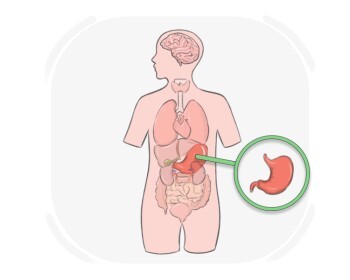
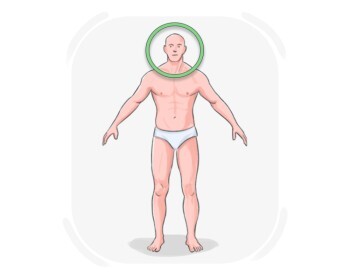
stomach
stomach
[nom]

the body part inside our body where the food that we eat goes

estomac
estomac

Ex: He held his stomach in pain after eating something that didn't agree with him. 

Il tenait son estomac de douleur après avoir mangé quelque chose qui ne lui convenait pas.

thigh
thigh
[nom]

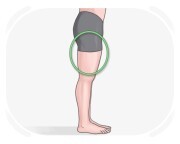
the top part of the leg between the hip and the knee

cuisse
cuisse

Ex: She felt sore in her thigh muscles after a long run. 

Elle a ressenti des douleurs dans les muscles de la cuisse après une longue course.

throat
throat
[nom]

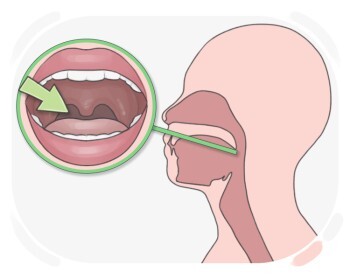
a passage in the neck through which food and air pass

gorge
gorge

Ex: She cleared her throat before starting her speech. 

Elle s'est éclairci la gorge avant de commencer son discours.

thumb
thumb
[nom]

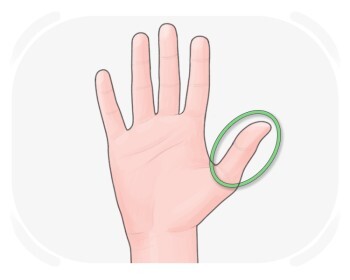
the thick finger that has a different position than the other four

pouce

pouce

Ex: The baby grasped his mother's thumb with a tight grip. 

Le bébé a saisi le pouce de sa mère avec une prise ferme.

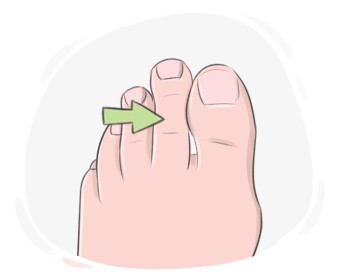
toe
toe
[nom]

each of the five parts sticking out from the foot

orteil

orteil

Ex: I stubbed my toe on the corner of the table and it hurt a lot. 

Je me suis cogné l'orteil dans le coin de la table et ça a fait très mal.

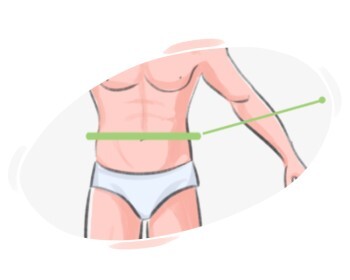
waist
waist
[nom]

the part of the body between the ribs and hips, which is usually narrower than the parts mentioned

taille

taille

Ex: His pants were a bit loose around the waist, so he needed to tighten his belt. 

Son pantalon était un peu large autour de la taille, alors il avait besoin de resserrer sa ceinture.

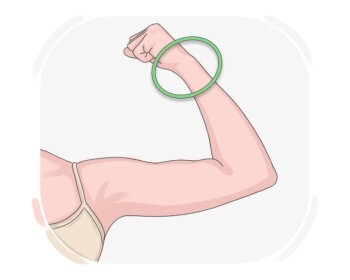
wrist
wrist
[nom]

the joint connecting the hand to the arm

poignet

poignet

Ex: She wore a colorful bracelet on her wrist. 

Elle portait un bracelet coloré à son poignet.

treatment

an action that is done to relieve pain or cure a disease, wound, etc.

traitement
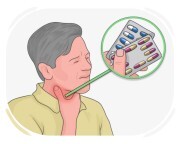
traitement

Ex: The doctor prescribed a course of antibiotics as part of the treatment for the bacterial infection. 

Le médecin a prescrit un traitement antibiotique dans le cadre du traitement de l'infection bactérienne.

antibiotic

a medicine that kills or stops the growth of bacteria

antibiotique

antibiotique

Ex: He finished the full course of the antibiotic. 

Il a terminé le traitement complet de l'antibiotique.

bandage
bandage
[nom]

a piece of cloth that is put around a wound to prevent infections

bandage, pansement

bandage, pansement

Ex: The nurse applied a sterile bandage to the patient's wound to keep it clean and dry. 

L'infirmière a appliqué un pansement stérile sur la plaie du patient pour la garder propre et sèche.
cream
cream
[nom]

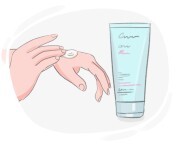
a thick, semi-solid substance used for moisturizing and soothing the skin

crème

crème

Ex: The doctor recommended a soothing cream for the rash. 

Le médecin a recommandé une crème apaisante pour l'éruption cutanée.

dressing

a piece of fabric that covers a wound or sore

pansement, bandage
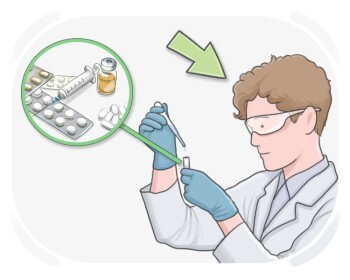
pansement, bandage

Ex: He changed the dressing on his wound every day to keep it clean. 

Il changeait le pansement de sa blessure tous les jours pour la garder propre.

medicine

the field of science that is concerned with treating injuries and diseases

médecin
médecin

Ex: Advances in medicine have led to the development of innovative treatments that can significantly improve the quality of life for those suffering from chronic diseases. 

Les progrès en médecine ont conduit au développement de traitements innovants qui peuvent améliorer considérablement la qualité de vie des personnes souffrant de maladies chroniques.

painkiller

a type of medicine that is used to reduce or relieve pain

analgésique, antalgique, antidouleur

analgésique, antalgique, antidouleur

Ex: The doctor prescribed a stronger painkiller for post-surgery discomfort. 

Le médecin a prescrit un antidouleur plus puissant pour l'inconfort postopératoire.
X-ray
X-ray
[nom]

an image of the inside of a body created using X-rays

rayon X

rayon X

Ex: She had an X-ray taken to examine the condition of her lungs and detect any abnormalities. 

Elle a passé une radiographie pour examiner l'état de ses poumons et détecter toute anomalie.
accident

an unexpected and unpleasant event that happens by chance, usually causing damage or injury

accident
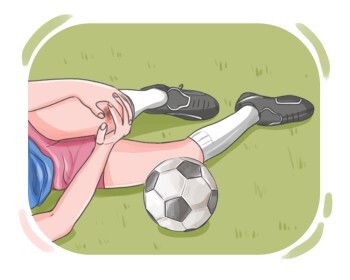
accident

Ex: She dropped the vase, but it was just an accident. 

Elle a laissé tomber le vase, mais ce n'était qu'un accident.

injury
injury
[nom]

any physical damage to a part of the body caused by an accident or attack

blessure
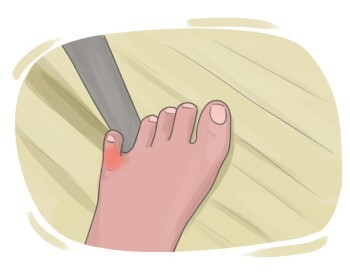
blessure

Ex: He got an injury playing football yesterday. 

Il a eu une blessure en jouant au football hier.

to bang
to bang
[verbe]

to accidentally hit or get hit by something that injures or damages a part of one's body

cogner, heurter, 	 	frapper

cogner, heurter, frapper

Ex: He banged his head on the low doorway while entering the room, resulting in a minor concussion. 

Il s'est cogné la tête sur l'embrasure de porte basse en entrant dans la pièce, ce qui a entraîné une légère commotion cérébrale.

head
head
[nom]

the top part of body, where brain and face are located

tête
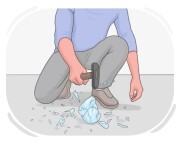
tête

Ex: He accidentally bumped his head on the low doorway. 

Il a accidentellement cogné sa tête contre l'encadrement de porte bas.

to break
to break
[verbe]

to become damaged and separated into pieces because of a blow, shock, etc.

casser, se briser
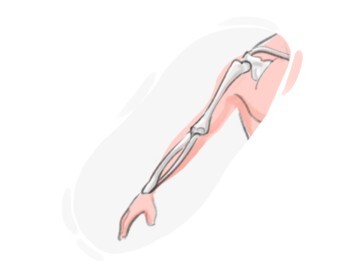
casser, se briser

Ex: The plate slipped from her grasp and broke into shards. 

L'assiette lui a échappé des mains et s'est brisée en éclats.

bone
bone
[nom]

any of the hard pieces making up the skeleton in humans and some animals

os
os

Ex: The athlete's strong bones helped him excel in sports. 

Les os solides de l'athlète l'ont aidé à exceller dans les sports.

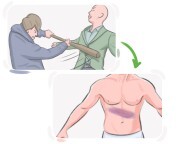
to bruise
to bruise
[verbe]

to make injuries, particularly ones caused by a blow, appear on the skin and cause discoloration

contusionner, se faire un bleu

contusionner, se faire un bleu

Ex: A bump on the head may bruise and create a noticeable lump. 

Une bosse sur la tête peut contusionner et créer une grosseur notable.
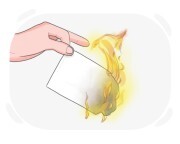
to burn
to burn
[verbe]

to be on fire and be destroyed by it

brûler, flamber
brûler, flamber

Ex: The paper caught fire and burned quickly in the flames. 

Le papier a pris feu et a brûlé rapidement dans les flammes.

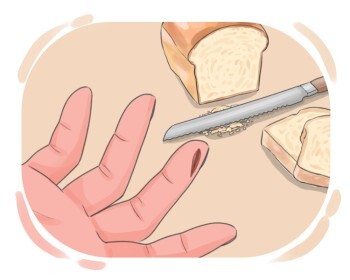
to cut
to cut
[verbe]

to accidentally wound and hurt yourself or others, especially with a sharp object, causing the skin to break and bleed

couper, entailler
couper, entailler

Ex: He accidentally cut himself while shaving this morning. 

Il s'est accidentellement coupé en se rasant ce matin.

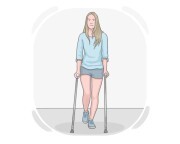
to have
to have
[verbe]

to suffer from a disease, injury, or pain

avoir
avoir

Ex: Many children had chickenpox before the vaccine became widespread. 

De nombreux enfants ont eu la varicelle avant que le vaccin ne se généralise.

injured
injured
[Adjectif]

physically harmed or wounded

blessé

blessé

Ex: Mary's injured arm was placed in a sling to immobilize it while it healed. 

Le bras blessé de Mary a été placé dans une écharpe pour l'immobiliser pendant qu'il guérissait.
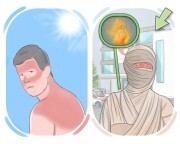
badly
badly
[Adverbe]

in a way that involves significant harm, damage, or danger

mal

mal

Ex: She was badly shaken after receiving the news. 

Elle a été gravement secouée après avoir reçu la nouvelle.

nosebleed

the act or instance of blood flowing from the nose

saignement de nez, épistaxis

saignement de nez, épistaxis

Ex: The dry air in winter often causes nosebleeds. 

L'air sec en hiver provoque souvent des saignements de nez.
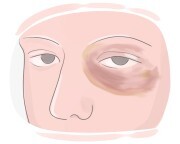
black eye

an area of bruised skin surrounding the eye caused by a blow or injury

œil au beurre noir, coquard, coquart, cocard

œil au beurre noir, coquard, coquart, cocard

Ex: During the boxing match, he delivered a powerful punch that gave his opponent a black eye. 

Pendant le match de boxe, il a livré un coup puissant qui a donné à son adversaire un œil au beurre noir.
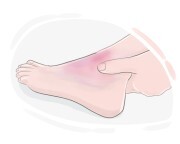
to sprain
to sprain
[verbe]

(of a ligament) to be suddenly twisted, which results in much pain

se fouler, se faire une entorse à

se fouler, se faire une entorse à

Ex: She sprained her wrist after falling on the icy sidewalk. 

Elle s'est foulé le poignet après être tombée sur le trottoir glacé.

to twist
to twist
[verbe]

to injure a joint, particularly one's ankle or wrist by turning it in an awkward way

se tordre

se tordre

Ex: Running down the stairs, she missed a step and twisted her ankle, wincing in pain. 

En descendant les escaliers en courant, elle a raté une marche et s'est foulé la cheville, grimaçant de douleur.

LanGeek
Télécharger l'application LanGeek