pattern

本 Solutions - 中級 - ユニット3 - 3A - パート2

ここでは、Solutions Intermediateコースブックのユニット3 - 3A - パート2からの語彙を見つけることができます。例えば、"治療"、"包帯"、"鼻血"などです。

復習

フラッシュカード

綴り

クイズ

学習を開始
Solutions - Intermediate
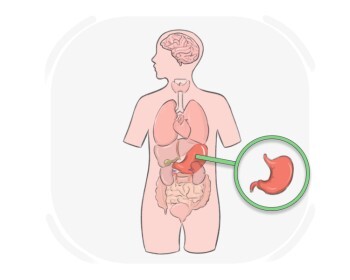
stomach
stomach
[名詞]

the body part inside our body where the food that we eat goes

胃,お腹

胃,お腹

Ex: She felt a rumble in her stomach, indicating that she was hungry. 

彼女はお腹が胃でゴロゴロ鳴るのを感じ、お腹が空いていることを示していました。
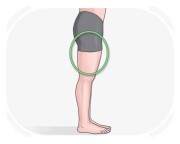
thigh
thigh
[名詞]

the upper part of the leg between the hip and the knee

太もも
太もも

Ex: Emma felt a sharp pain in her left thigh after running. 
throat
throat
[名詞]

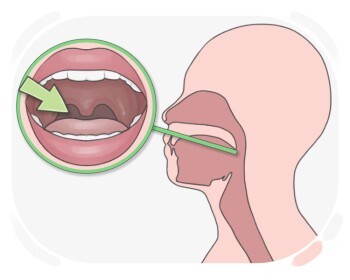
a passage in the neck through which food and air pass

喉,咽喉

喉,咽喉

Ex: The cold weather made her throat feel dry and scratchy. 

寒い天気が彼女の喉を乾燥させ、ひりひりさせた。

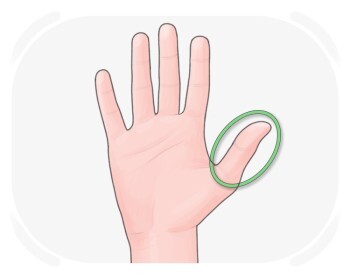
thumb
thumb
[名詞]

the short, thick digit of the hand that is set apart from and can move across the other fingers

親指
親指

Ex: Emma cut her thumb while slicing an apple. 
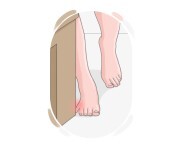
toe
toe
[名詞]

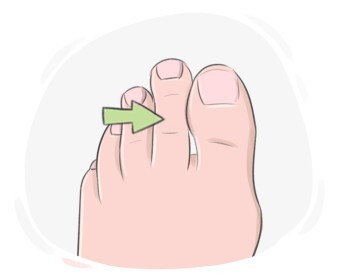
one of the separate digits at the end of a human foot or the corresponding part of an animal's foot

足の指, 趾
足の指, 趾

Ex: Emma stubbed her toe on the edge of the bed. 
waist
waist
[名詞]

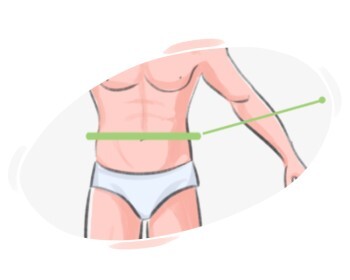
the part of the body between the ribs and hips, usually narrower than the areas above and below it

腰, ウエスト
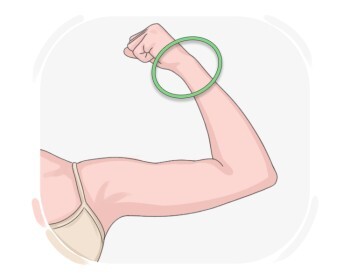
腰, ウエスト

Ex: Sarah wrapped a belt around her waist. 
wrist
wrist
[名詞]

the part of the body connecting the hand to the forearm

手首
手首

Ex: Sarah hurt her wrist while playing tennis. 
treatment
treatment
[名詞]

medical care or a procedure used to cure an illness, relieve symptoms, or help someone recover from an injury
Ex: The holistic approach to cancer treatment included chemotherapy, radiation therapy, and complementary therapies to support overall well-being. 
antibiotic
antibiotic
[名詞]

a medicine that kills or stops the growth of bacteria

抗生物質,抗菌薬

抗生物質,抗菌薬

Ex: Overuse of antibiotics can cause resistance. 

抗生物質の過剰使用は耐性を引き起こす可能性があります。

bandage
bandage
[名詞]

a piece of cloth that is put around a wound to prevent infections

包帯,バンドエイド

包帯,バンドエイド

Ex: She wrapped a bandage around the cut on her finger to protect it from infection. 

彼女は感染から守るために指の切り傷に包帯を巻いた。

cream
cream
[名詞]

a thick, semi-solid substance used for moisturizing and soothing the skin

クリーム

クリーム

Ex: He uses a special cream to treat his dry skin. 

彼は乾燥した肌を治療するために特別なクリームを使います。

dressing
dressing
[名詞]

a piece of fabric that covers a wound or sore

包帯,ドレッシング

包帯,ドレッシング

Ex: She carefully wrapped the dressing around the bandaged area. 

彼女は包帯を巻いた部分の周りに注意深く包帯を巻いた。

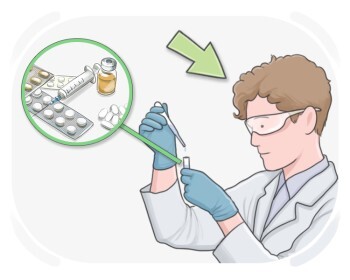
medicine
medicine
[名詞]

the field of science that is concerned with treating injuries and diseases

医学

医学

Ex: Traditional medicine often complements modern practices, with many patients seeking alternative therapies alongside conventional treatments for holistic healing. 

伝統的な医学はしばしば現代の医療を補完し、多くの患者がホリスティックな癒しのために従来の治療法と並行して代替療法を求めています。
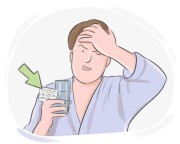
painkiller
painkiller
[名詞]

a type of medicine that is used to reduce or relieve pain

鎮痛剤,痛み止め

鎮痛剤,痛み止め

Ex: She took a painkiller to help manage her headache after a long day at work. 

彼女は仕事の長い一日の後、頭痛を和らげるために鎮痛剤を飲んだ。

X-ray
X-ray
[名詞]

an image of the inside of a body created using X-rays

レントゲン写真,X線画像

レントゲン写真,X線画像

Ex: The doctor ordered an X-ray to check for any fractures after the patient injured their arm. 

医者は患者が腕を負傷した後、骨折がないか確認するためにX線を注文しました。

accident
accident
[名詞]

an unexpected and unpleasant event that happens by chance, usually causing damage or injury

事故,アクシデント

事故,アクシデント

Ex: Despite the rainy weather, they managed to enjoy their camping trip without any accidents. 

雨の天候にもかかわらず、彼らは何の事故もなくキャンプ旅行を楽しむことができた。
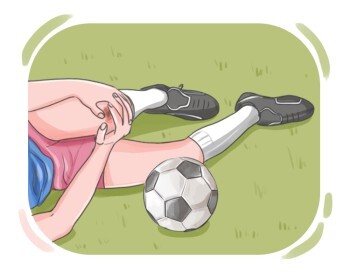
injury
injury
[名詞]

any physical damage to a part of the body caused by an accident or attack

けが,損傷

けが,損傷

Ex: The car crash caused multiple injuries. 

その車の衝突事故は複数のけがを引き起こした。

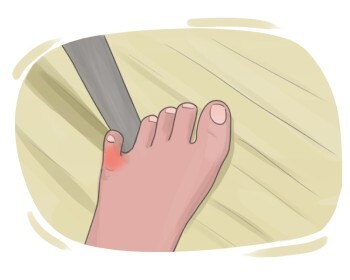
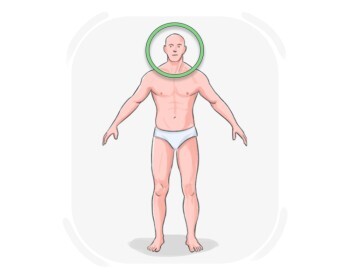
to bang
to bang
[動詞]

to accidentally hit a part of one's body against something, causing pain or injury

ぶつける,打つ
ぶつける,打つ

Ex: I banged my knee on the edge of the table. 
head
head
[名詞]

the top part of body, where brain and face are located

頭,頭部

頭,頭部

Ex: She held her head high as she walked confidently into the room. 

彼女は自信を持って部屋に入りながら、頭を高く掲げた。

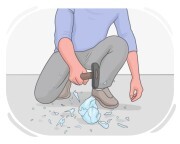
to break
to break
[動詞]

to become damaged and separated into pieces because of a blow, shock, etc.

壊れる,折れる

壊れる,折れる

Ex: The plate slipped from her grasp and broke into shards. 

お皿が彼女の手から滑り落ち、砕け散った。

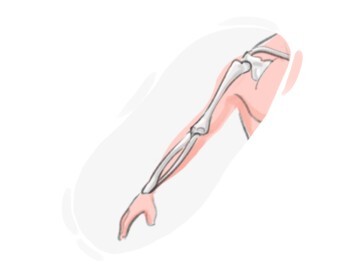
bone
bone
[名詞]

any of the hard pieces making up the skeleton in humans and some animals

骨,人間の骨

骨,人間の骨

Ex: The elderly woman suffered from osteoporosis, causing weak bones. 

その高齢の女性は骨粗鬆症に苦しんでおり、弱い骨を引き起こしていました。

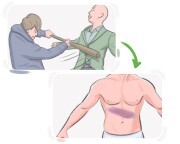
to bruise
to bruise
[動詞]

to make injuries, particularly ones caused by a blow, appear on the skin and cause discoloration

打撲する, あざを作る

打撲する, あざを作る

Ex: The impact of the fall bruised her shoulder, causing temporary pain. 

転倒の衝撃で彼女の肩にあざができ、一時的な痛みを引き起こした。

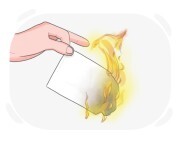
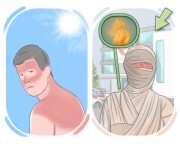
to burn
to burn
[動詞]

to be on fire and be destroyed by it

燃える,焼ける

燃える,焼ける

Ex: The old photographs burned in the house fire, lost forever in the flames. 

古い写真は家の火事で燃え、炎の中で永遠に失われました。

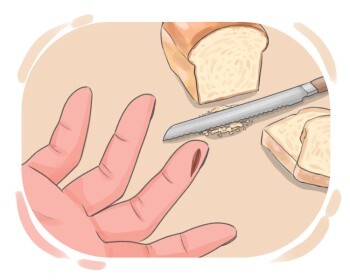
to cut
to cut
[動詞]

to accidentally wound and hurt yourself or others, especially with a sharp object, causing the skin to break and bleed

切る,傷つける

切る,傷つける

Ex: The boy cut his knee when he fell on the rocks. 

少年は岩の上に転んだ時に膝を切った。

to have
to have
[動詞]

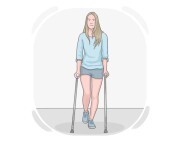
to suffer from a disease, injury, or pain

持っている,患っている

持っている,患っている

Ex: The athlete had a sprained wrist from a sports injury. 

その選手はスポーツの怪我で手首を捻挫していました。

injured
injured
[形容詞]

physically harmed or wounded

けがをした,傷ついた

けがをした,傷ついた

Ex: The injured athlete was taken off the field on a stretcher after a collision with another player. 

負傷した選手は、別の選手との衝突後、担架でフィールドから運び出されました。

badly
badly
[副詞]

in a way that involves significant harm, damage, or danger

ひどく,深刻に

ひどく,深刻に

Ex: The team played badly and lost by a huge margin. 

チームはひどくプレーし、大差で負けた。

nosebleed
nosebleed
[名詞]

the act or instance of blood flowing from the nose

鼻血,鼻出血

鼻血,鼻出血

Ex: He had a nosebleed after blowing his nose too hard. 

彼は鼻を強くかみすぎた後、鼻血が出た。

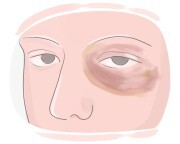
black eye
black eye
[名詞]

an area of bruised skin surrounding the eye caused by a blow or injury

黒い目,目の周りのあざ

黒い目,目の周りのあざ

Ex: She accidentally walked into a door and ended up with a black eye. 

彼女は誤ってドアにぶつかり、黒い目を負ってしまった。

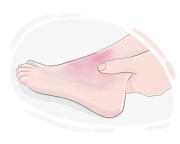
to sprain
to sprain
[動詞]

(of a ligament) to be suddenly twisted, which results in much pain

捻る,挫く

捻る,挫く

Ex: He sprained his ankle while playing basketball. 

彼はバスケットボールをしている間に足首を捻挫しました。

to twist
to twist
[動詞]

to injure a joint by turning it suddenly or awkwardly

捻挫する, くじく

捻挫する, くじく

Ex: Emily twisted her ankle while running down the stairs. 
LanGeek
LanGeekアプリをダウンロード